

The global chemical peel market is forecast to grow exponentially by 2035, driven by rising demand for minimally invasive aesthetic procedures.
Market intelligence platform IndexBox's* latest report found that the global chemical peel market is projected to increase by 82% in market value by 2035, compared with a 2025 baseline.
The growth represents the growing integration of professional treatments with consumer-driven cosmetic enhancements, evolving beyond traditional clinical settings into medical spas and premium home-care regimens.
What does IndexBox's report show about the future global chemical peel market?
The chemical peel market is forecast to grow by 6.2% in compound annual growth rate (CAGR) between 2026 and 2035.
The Asia-Pacific region is predicted to be the largest regional market, accounting for an estimated 35% share, with North America accounting for an estimated 30% of the global market, and Europe accounting for 20%.
Dermatology clinics and medical spas are expected to be key distribution channels, driven by the expansion of professional aesthetic treatment providers and continued innovation in chemical peel formulations.
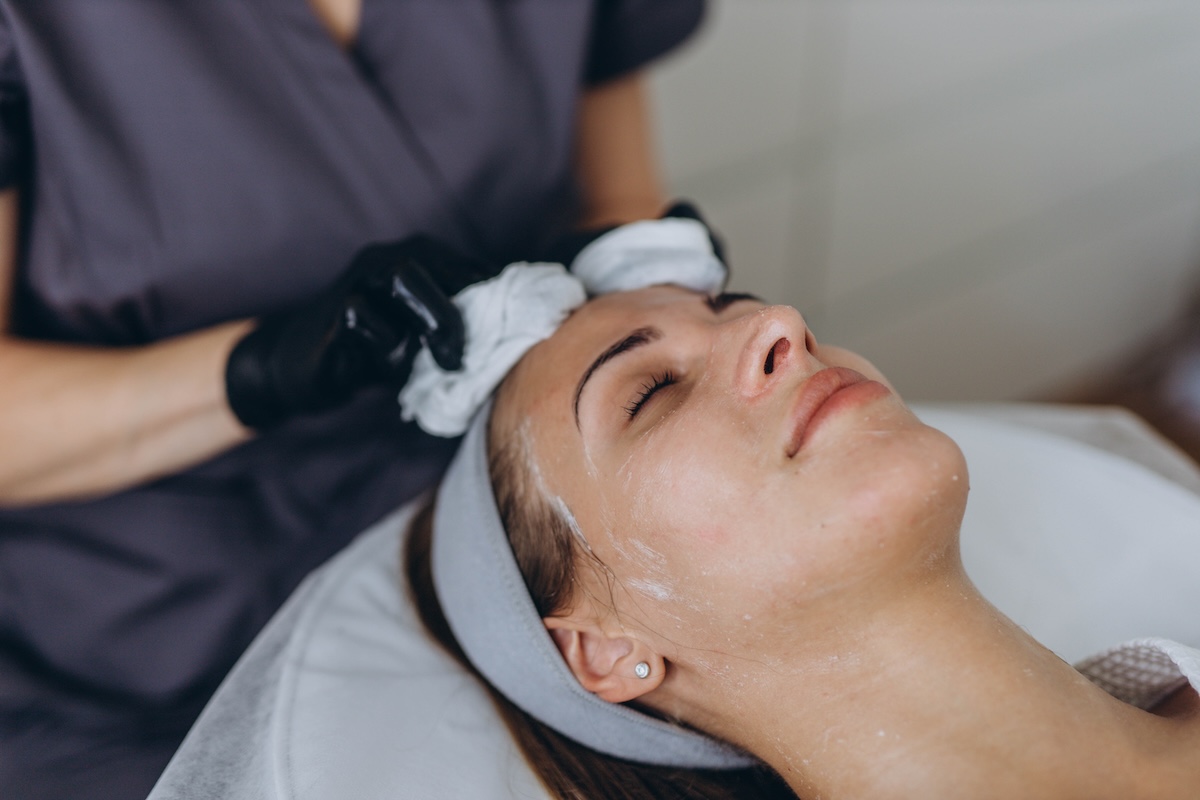
Where are chemical peel treatments being delivered in?
- Dermatology clinics - 30%
- Medical spas - 25%
- Aesthetics centres - 20%
- Home use - 15%
- Hospital settings - 10%
What are the key growth drivers of the global chemical peel market?
- Rising demand for minimally invasive aesthetics – growing consumer acceptance of non-surgical cosmetic procedures.
- Increasing skin concerns - particularly acne, hyperpigmentation, photoaging and scarring.
- Medical spa expansion – increasing numbers of medical spas and aesthetic centres globally.
- Anti-ageing demand – particularly among ageing populations.
- Product innovation – development of gentler, more effective peel formulations.
- Emerging markets – rising disposable incomes and skincare awareness, particularly across Asia-Pacific.
What challenges does the global chemical peel market face?
IndexBox highlights increasing regulatory scrutiny of active ingredients such as phenol and trichloroacetic acid (TCA), as well as potential side effects and complications associated with treatments.
The relatively high cost of professional procedures may also limit accessibility for some consumers, while growing competition from alternative skin-resurfacing technologies, particularly laser treatments, presents a further challenge to market growth.
*IndexBox provides an indexed market forecast rather than an absolute global market valuation in dollars.