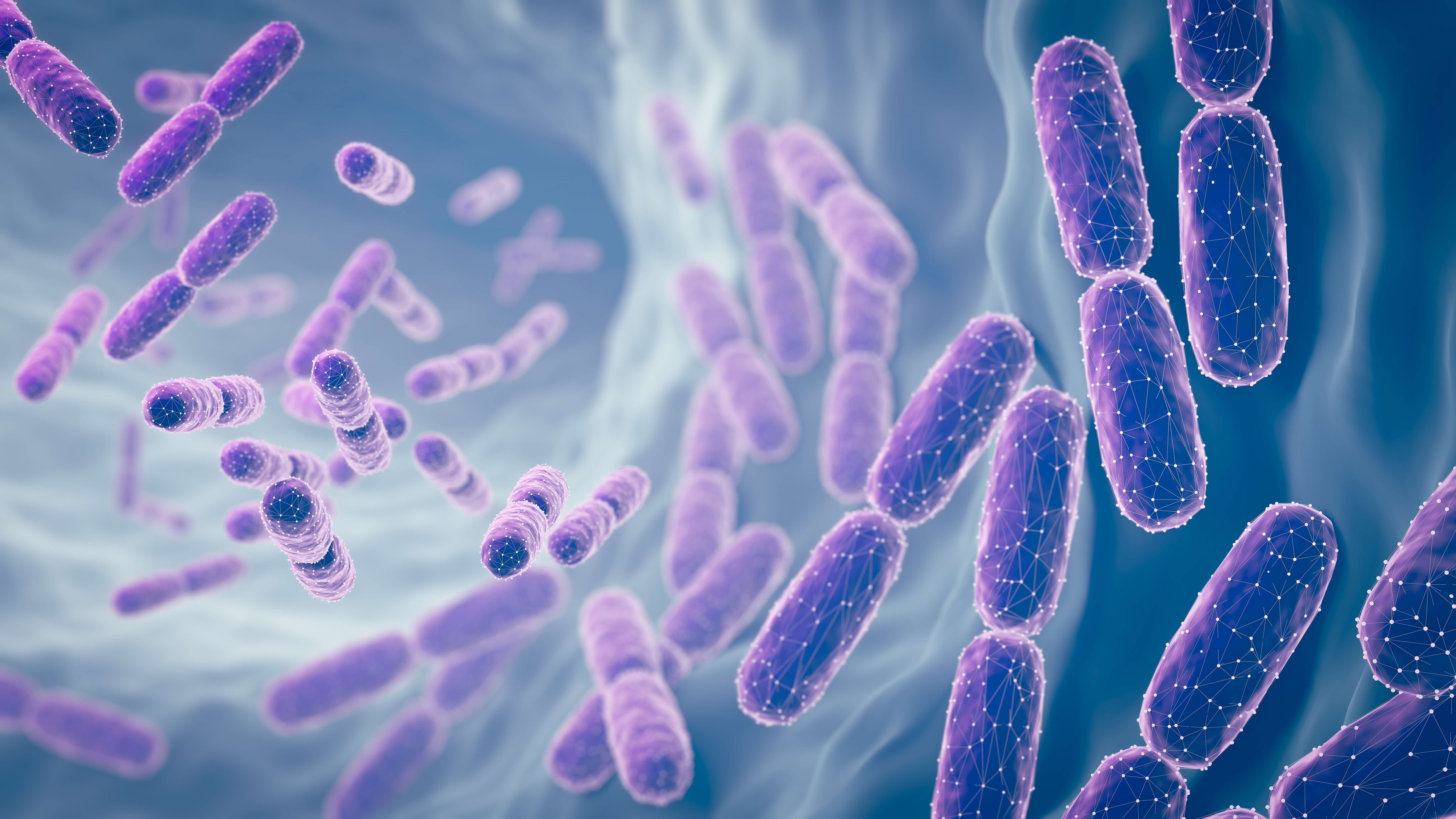
Research from Cincinnati Children’s and Ulm University in Germany has demonstrated that transferring young microbiota to the intestines of older mice helps boost the stem cells that produce new tissue, therefore accelerating the healing process in damaged intestines.
As we age, the replacement of intestinal tissue slows down, making us more prone to gut-related conditions. The findings from this study suggest that younger microbiota can prompt an older intestine to heal faster and function more like a younger intestine.
Replacing old microbiota in mouse intestines
The series of experiments involving mouse models demonstrated that aging altered the balance of beneficial gut bacteria, which weakened key signals that intestinal stem cells rely on to renew the gut lining. As a result, these stem cells lost some of their ability to regenerate tissue.
The decline was reversed when older microbiota were replaced with younger microbiota.
“The reduced signaling causes a decline in the regenerative potential of aged ISCs,” says co-author Yi Zheng. “However, when older microbiota were replaced with younger microbiota, the stem cells resumed producing new intestinal tissue as if the cells were younger. This further demonstrates how human health can be affected by the other life forms living inside us.”
How this research translates to patients
The researchers emphasised that despite the recent buzz around prebiotics and probiotics, the beneficial effects they observed in this study cannot be achieved with over-the-counter products. The findings were observed from the use of a carefully controlled, complex mix of gut bacteria, delivered through fecal microbiota transfer.
Despite the studies success amongst the rat models, further research is required to confirm the efficacy and safety in humans. This includes determining safe dosing levels and further investigation into the ideal combination of microbiota species to include in fecal transfers.
You might also like to read: How gut health affects the skin