From collagen coffees to skin-focused smoothies, the idea that you can “eat your skincare” has moved from niche wellness circles into the mainstream.
On platforms like TikTok, collagen alone has become one of the most talked-about wellness trends. Collagen alone has become one of the most viewed supplement categories, generating billions of views and cementing the idea that glowing skin can be achieved from within.
But while the trend is gaining momentum, scientists say the reality is more complex.
According to Dr Cherry Lo, a longevity researcher specialising in pathology and immunity, many conversations around ingestible skincare focus on visible outcomes such as collagen production, rather than the biological systems that underpin how skin actually ages.
“Skin ageing is not just about collagen loss,” Dr Lo explains. “It reflects deeper changes in cellular energy, inflammation and the body’s ability to repair itself.”
Where do skin ageing start?
Skin is often treated as a surface issue, but biologically it is deeply connected to overall health.
As we age, several processes begin to shift. Levels of NAD+ (nicotinamide adenine dinucleotide), a molecule essential for cellular energy and DNA repair, decline. At the same time, oxidative stress increases due to environmental exposure, and senescent cells begin to accumulate. These so-called “zombie cells” no longer divide but continue to release inflammatory signals that can disrupt surrounding tissue.
“These changes affect how efficiently cells can regenerate,” says Dr Lo. “Over time, that shows up as thinner skin, slower healing, loss of elasticity and uneven tone.”
This is why some researchers argue that focusing purely on topical treatments or single ingredients may miss the bigger picture.
Where does diet fit in with skincare?
There is strong evidence that diet plays an important role in skin health.
Nutrients such as vitamin C, omega-3 fatty acids, zinc and adequate protein intake are essential for maintaining skin structure and supporting repair processes. Antioxidant-rich foods, including berries, leafy greens and nuts, can help reduce oxidative stress, which contributes to premature ageing.
“Diet provides the building blocks the skin needs,” Dr Lo explains. “Without sufficient nutrients, the body cannot effectively maintain or repair tissue.”
However, she notes that nutrition alone does not fully address the mechanisms that drive ageing, particularly when it comes to cellular energy and long-term resilience.
Can eating sardines improve your skin?
Sardines are often touted as a secret to glowing skin. They are rich in omega-3 fatty acids, protein, selenium and vitamin D, nutrients that support skin hydration, hair health and overall skin health.
According to Google search trend data analysed by Feel30, searches for "benefits of sardines" have increased by 190% over the past year and now generate approximately 19,000 searches per month.
The trend has also sparked interest among men, with "sardines for men" generating around 6,000 searches in the past month, highlighting a growing curiosity about skincare and appearance.
Experts at Fresha emphasise that beauty foods are not about quick fixes but about making consistent dietary choices.
The rise of supplements and skin health
This is where supplements have entered the conversation.
Collagen powders, antioxidant blends and NAD+ precursors are increasingly marketed as ways to support skin from within.
More recently, there has also been growing interest in oral hyaluronic acid, following the long-standing popularity of topical hyaluronic acid in skincare.
Patients are increasingly turning to ingestible formats in the hope of enhancing hydration and skin plumpness from within, although research on oral absorption and visible outcomes is still developing. The goal is not just to provide nutrients, but to influence the biological pathways involved in ageing.
“Skin cells are highly energy dependent,” says Dr Lo. “They require a constant supply of energy to regenerate, maintain barrier function and produce structural proteins like collagen.”
Early research suggests that supporting NAD+ levels may help improve cellular resilience, reduce inflammation and support the processes that maintain skin structure. Laboratory and animal studies have also indicated potential protective effects against UV damage and oxidative stress.
The research behind eating your skincare
While the mechanisms are promising, experts are clear that the evidence is still developing.
There is strong scientific understanding of how NAD+ functions in the body and how it influences processes linked to ageing. However, large-scale human trials measuring visible skin outcomes such as wrinkle depth, elasticity or pigmentation are still limited.
Similarly, while collagen supplements have been shown in some studies to support skin hydration and elasticity, results can vary depending on dosage, formulation and individual differences such as age, diet and baseline health.
“Many of these interventions are biologically plausible,” says Dr Lo. “But we are still building the evidence base when it comes to consistent, long-term outcomes in humans.”
Eating your skin care, are we focusing on the wrong thing?
One of the key criticisms of the “eat your skincare” trend is that it often focuses on outputs rather than inputs.
Boosting collagen, for example, may support skin structure. But collagen production itself depends on broader systems, including cellular energy, blood flow, hormonal balance and inflammation control.
“If the underlying systems are not functioning optimally, adding more building blocks may have limited impact,” Dr Lo explains.
This has led to growing interest in a more holistic approach to skin ageing, one that considers metabolism, immune function and cellular repair alongside diet and supplementation.
The bigger picture: lifestyle still matters when it comes to skin health
Despite the growing market for ingestible beauty products, experts consistently emphasise that foundational lifestyle factors remain the most important.
Sleep plays a critical role in cellular repair and hormone regulation. Chronic stress can increase inflammation and impair the skin’s barrier function. Regular physical activity supports circulation, metabolic health and nutrient delivery to tissues.
“All of these factors influence how the skin ages,” says Dr Lo. “Supplements can support these systems, but they cannot replace them.”
Sun protection also remains one of the most effective interventions for preventing visible ageing, particularly when it comes to UV-induced damage.
Ingestible skincare and a shift towards inside-out ageing
The popularity of ingestible beauty reflects a broader shift in how people think about skincare.
Rather than focusing solely on topical products, there is increasing awareness that skin health is closely linked to overall physiological health.
However, as science evolves, the conversation is becoming more nuanced.
“It is not about one supplement or one ingredient,” says Dr Lo. “It is about understanding how the body’s repair systems work and how we can support them over time.”
In that sense, the future of skincare may not be about eating specific products for quick results, but about taking a longer-term approach to cellular health and ageing.
Because ultimately, how our skin looks on the outside is closely tied to how well our body functions on the inside.
Dr Cherry Lo
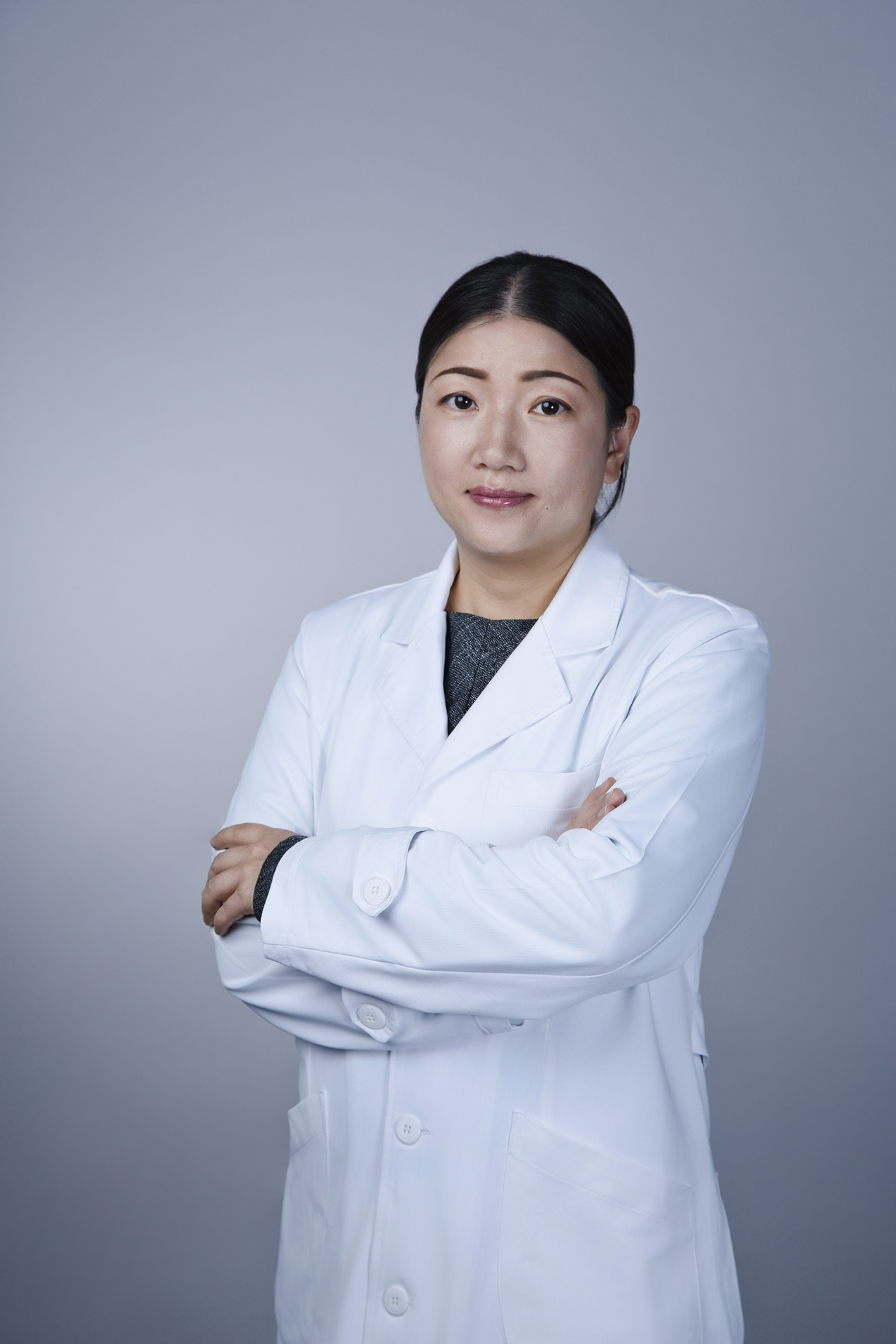
Dr. Cherry Lo, PhD, is a researcher specialising in pathology and immunity, with degrees from CUHK and the University of Hong Kong. Her work focuses on the interaction between NK cells and rheumatoid arthritis, providing new insights into disease mechanisms. As a research scientist, she contributes to advancements in longevity science. With a passion for immunology and translational research, Dr. Lo is dedicated to uncovering innovative solutions for age-related diseases and immune health.