
Originally posted on Professional Beauty: Hot or cold rejuvenation? Why lower-downtime skin treatments are gaining ground
Aesthetic professionals have more rejuvenation technologies to choose from than ever, spanning lasers and radiofrequency through to LED and conventional microneedling. As interest shifts towards lower-downtime approaches, the question is not whether heat-led treatments are becoming obsolete, but how practitioners can identify the right modality, patient and indication
Energy-based treatments have transformed professional skin rejuvenation. Technologies including laser, intense pulsed light, radiofrequency and high-intensity focused ultrasound can target concerns ranging from pigmentation and vascular changes to laxity, scarring and texture.
However, another direction is gaining attention: rejuvenation approaches that create little or no significant thermal injury.
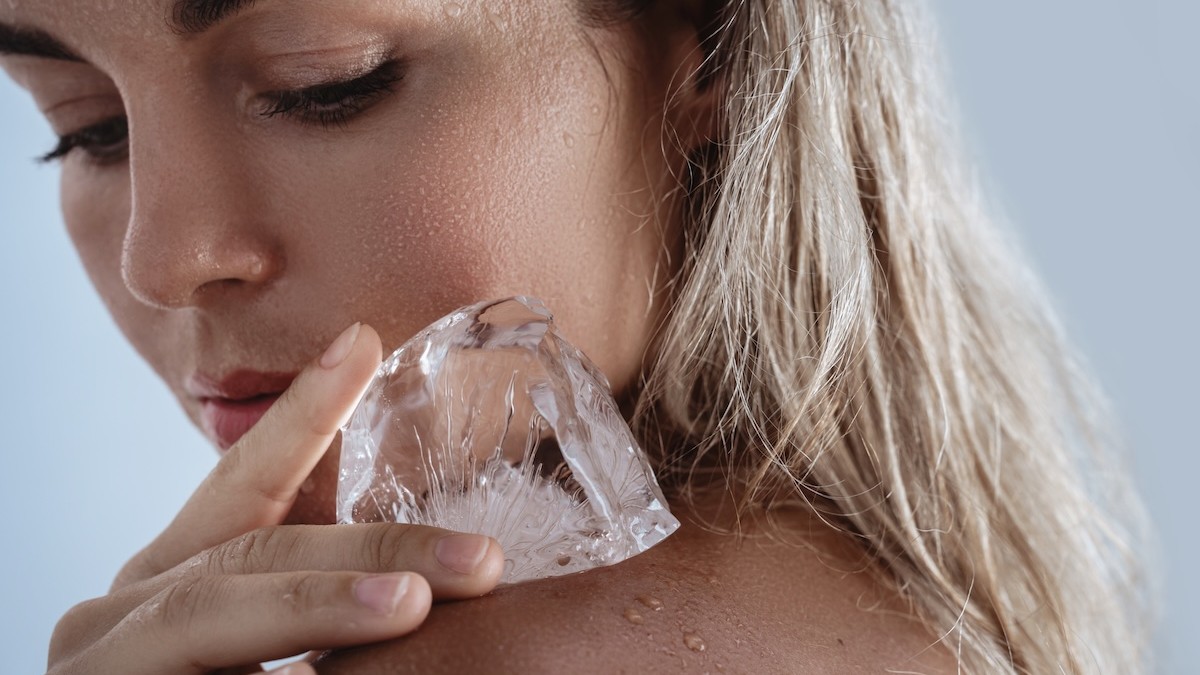
Dr Michael Kim, chief medical officer and executive managing director of medical strategy at PharmaResearch, described this during the seventh PharmaResearch Global Symposium as a move from “hot rejuvenation” towards “cold rejuvenation”.
“Hot rejuvenation is using thermal devices, and that’s IPL, lasers and radiofrequency,” he explained. “It’s basically using heat to stimulate more collagen, but there are limitations and side effects.”
By comparison, Kim used “cold rejuvenation” to describe modalities that do not depend primarily on heat, including cryotherapy, shockwave therapy and injectable regenerative treatments.
The phrase is catchy, but it is not a formally standardised clinical classification. Nor does the rejuvenation market divide neatly into two opposing categories. High-intensity focused ultrasound, for example, is non-invasive but still produces focal thermal coagulation, while some laser and radiofrequency procedures can offer relatively limited recovery when used at appropriate settings.
Nevertheless, the terminology captures an important question for salons and clinics: are patients and practitioners moving away from aggressive heat-based correction and towards treatments offering gradual improvement, less inflammation and lower downtime?
What does thermal rejuvenation do?
Heat-led technologies work in different ways, so they should not be discussed as though they were interchangeable.
Laser and IPL deliver selected wavelengths of light, which are absorbed by particular targets in the skin. Depending on the technology and settings, this may be used to address pigment, vascular concerns, hair or skin resurfacing.
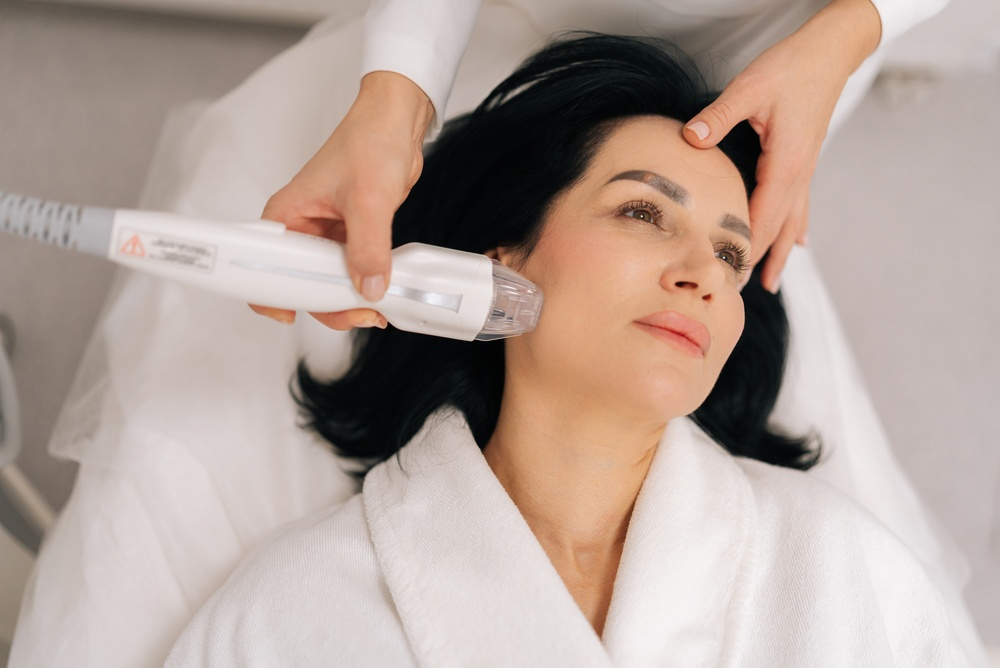
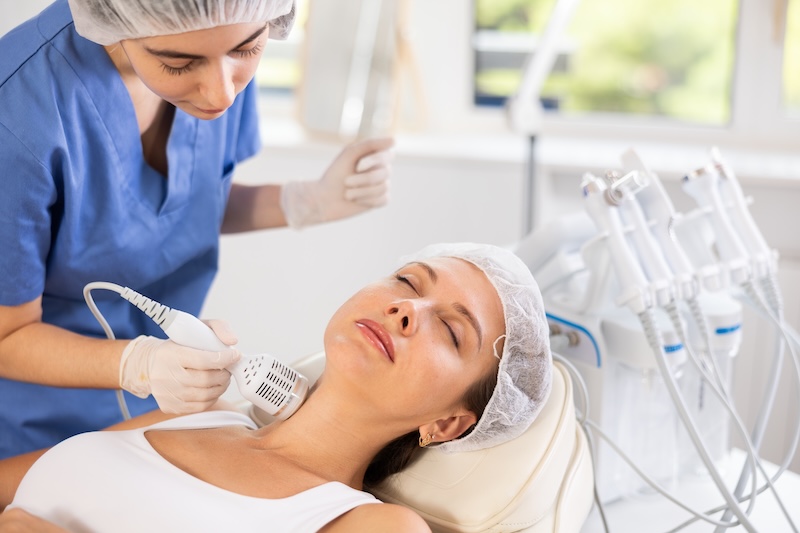
Radiofrequency produces controlled heat through electrical resistance within tissue, while RF microneedling combines this energy with needles to deliver heat at selected depths. HIFU uses focused ultrasound energy to create small thermal coagulation points beneath the surface.
These controlled injuries can trigger tissue repair and collagen remodelling, which is why thermal technologies remain valuable for concerns such as laxity, acne scarring, wrinkles and photodamage.
A 2026 systematic review of RF microneedling included 20 studies and 558 participants. It found consistent improvements in skin texture and tightening, while reported adverse events were predominantly mild and temporary. However, the review also identified differences between study designs, treatment parameters and outcome measures.
Thermal treatment is therefore not inherently outdated, excessively aggressive or incompatible with low downtime. The result depends on the device, energy, depth, technique, treatment area, patient, and intended outcome.
In some cases, a carefully selected energy-based treatment may achieve a result that a gentler modality cannot reasonably replicate. The promise of a comfortable treatment should not be confused with equivalent efficacy.
Why are lower-downtime approaches attracting interest?
The growth of “cold” rejuvenation sits within a broader preference for treatments that fit around work and social commitments.
Research into online search behaviour has found that public interest in minimally invasive cosmetic treatments is growing faster than interest in surgical procedures. This does not establish a preference for any individual treatment, but it supports the wider movement towards less invasive intervention.
Kim suggested that concerns about downtime, post-inflammatory hyperpigmentation and sensitivity are influencing treatment development.
“People are shying away from too much downtime and side effects like post-inflammatory hyperpigmentation or getting more sensitive skin,” he said.
Within aesthetics, non-thermal or minimally thermal options may include LED photobiomodulation, conventional microneedling without RF, microcurrent, electroporation, oxygen-based treatments, cooling modalities and barrier-supportive facials. They do not all work through the same biological mechanism, and evidence for one cannot be transferred to another.
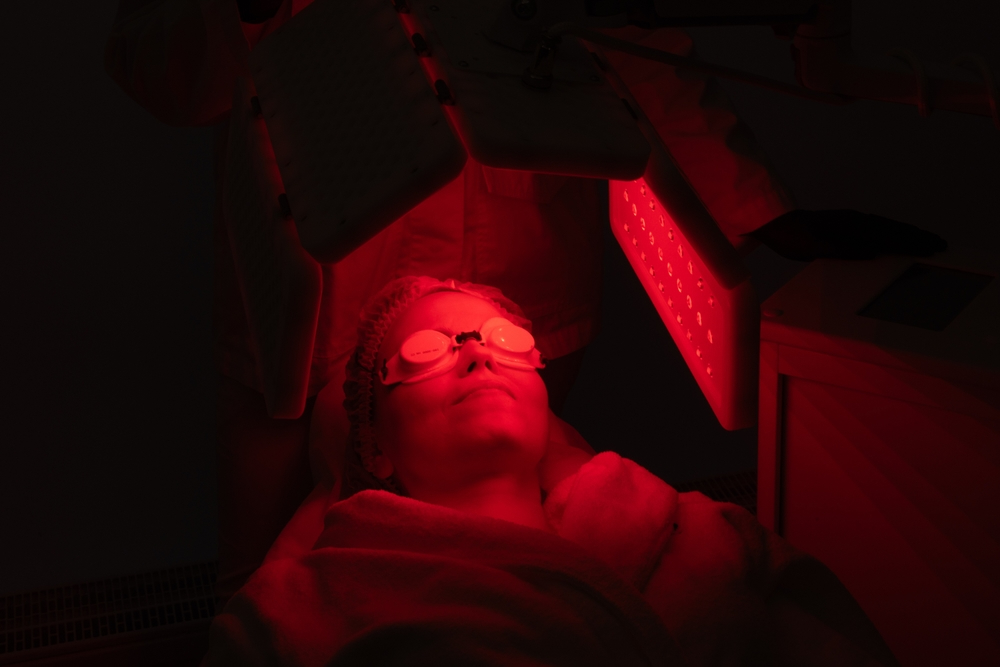
LED photobiomodulation, for example, uses light at specific wavelengths to influence cellular activity without deliberately heating tissue to the point of controlled thermal injury.
A randomised, sham-controlled trial involving 95 women found improvements in some objectively measured wrinkle parameters after red-light treatment, although the researchers found no significant differences between groups using a separate wrinkle assessment scale.
The mixed outcomes demonstrate why marketing claims should reflect the specific evidence rather than the general popularity of LED.
Conventional microneedling creates controlled micro-injuries mechanically rather than through radiofrequency heat.
A systematic review of 21 studies involving 723 patients reported an overall patient-satisfaction rate of 83%, with transient redness the most common adverse effect. The authors nevertheless highlighted the lack of standardised outcome measures and variation between treatment schedules.
These treatments may suit patients seeking gradual skin-quality improvements or those unwilling to accept substantial recovery. That does not make them interchangeable, appropriate for every patient or incapable of causing harm.
Safety concerns are changing the conversation
Interest in non-thermal approaches must also be understood against growing scrutiny of energy-based devices.
In October 2025, the US Food and Drug Administration issued a safety communication concerning reports of serious complications associated with certain uses of RF microneedling. These included burns, scarring, fat loss, disfigurement and nerve damage.
An analysis of adverse-event reports submitted to the FDA’s MAUDE database subsequently identified textural changes, pigmentary alterations and fat loss among the most frequently reported problems.
However, reporting databases cannot establish an overall complication rate: they do not show how many treatments were performed without incident, reports may be incomplete, and a submitted event does not by itself prove that a device caused the outcome.
This distinction matters. Safety alerts should prompt better patient selection, practitioner education, device scrutiny and adverse-event reporting, rather than the conclusion that all RF microneedling is unsafe.
Similarly, concerns about facial fat loss require nuance. Energy applied at an unsuitable depth or setting may affect structures beyond the intended target, but different devices and protocols produce different tissue effects.
The response should not be to replace one simplistic message – that energy devices are universally safe – with another claiming that all heat-led treatment destroys fat.
What about darker skin tones?
One argument made in favour of lower-inflammatory treatments is their potential suitability across a wider range of skin tones.
Post-inflammatory hyperpigmentation can affect all skin types but is more prevalent and may be more persistent in darker skin. Its risk is relevant whenever a treatment creates significant inflammation or injury.
However, that does not mean all heat-led technologies are unsuitable for darker skin. A review of energy-based devices in skin of colour found evidence supporting several applications, including fractional radiofrequency, non-ablative laser and microfocused ultrasound. It also identified a shortage of research involving Fitzpatrick skin type VI, limiting the strength of broader safety conclusions.
Technology choice, wavelength, energy, pulse duration, cooling, test patching, practitioner experience and aftercare all affect risk. The relevant question is therefore not simply whether a treatment is “hot”, but how its energy interacts with the intended chromophore and surrounding tissue.
Non-thermal does not automatically mean appropriate for every skin tone either. Microneedling can still cause inflammation, infection, pigment alteration and scarring when performed incorrectly. LED requires correct wavelengths, irradiance, dose and protocols, while photosensitising medication may present a contraindication.
“Suitable for all skin types” should never replace an individual consultation.
Both hot and cold have a place
The emerging preference for lower-downtime rejuvenation should expand practitioners’ options rather than create another industry binary.
Thermal technologies may be useful where the goal is more substantial remodelling, tightening, resurfacing or targeted treatment of pigment and vascular concerns. Non-thermal approaches may be appropriate for clients prioritising maintenance, barrier support, gradual improvement or minimal interruption to daily life.
They may also play complementary roles. LED is frequently used to support skin recovery around more intensive procedures, while gentler facials and homecare can help maintain the barrier between treatment sessions.
However, combination treatment should not become an excuse to stack modalities indiscriminately. Each additional intervention changes the skin’s cumulative exposure to injury and inflammation. A protocol should have a clear rationale, rather than being assembled because multiple devices are available.
The distinction between results and recovery must also be explained honestly. “No downtime” should not be interpreted as no biological effect, no aftercare or no risk. Equally, visible redness and peeling do not prove that a treatment has been more effective.
Questions aesthetic professionals should ask
Treatment selection must sit with an appropriately trained and insured practitioner working within their competence and local requirements. For practitioners assessing a technology, the most useful questions include:
- What concern and tissue target is the device intended to address?
- Does it depend on thermal injury, mechanical injury, photobiomodulation or another mechanism?
- What evidence supports the finished device and proposed protocol, rather than the technology category generally?
- Does the research include a meaningful range of skin tones?
- How are energy, depth, wavelength or dose controlled?
- What training is required, and is competency assessed practically?
- Which contraindications, adverse events and referral pathways are covered?
- What outcomes can reasonably be expected, and how will they be measured?
- Is the device appropriately marked, maintained and insured for its intended use?
- Are “no downtime”, “pain-free” or “suitable for everyone” claims genuinely supportable?
UK professionals should also follow manufacturer instructions, insurer requirements and applicable national and local rules. Where a concern, treatment depth or potential complication falls outside a practitioner’s qualifications, referral is more appropriate than attempting to select a supposedly gentler alternative.
A move towards choice, not the end of heat
“Cold rejuvenation” provides a useful name for the growing interest in treatments that aim to improve skin quality without relying on substantial thermal damage. It reflects legitimate client demand for natural-looking results, tolerable recovery and treatment plans that support longer-term skin health.
It should not, however, be treated as proof that cold is inherently good and heat inherently harmful.
Energy-based technologies retain an important place when they are evidence-based, carefully selected and delivered by appropriately trained professionals. Non-thermal treatments can offer useful alternatives and complements, but their safety and effectiveness must also be assessed individually.

Ellen Cummings
Ellen Cummings is a freelance journalist and former deputy editor of Professional Beauty, specialising in the beauty, aesthetics, spa and wellness industries. With experience covering industry regulation, business developments, skincare and professional treatments, she produces expert-led features informed by interviews with leading brands, practitioners and industry organisations. Her work has appeared in Professional Beauty and Aesthetic Medicine.