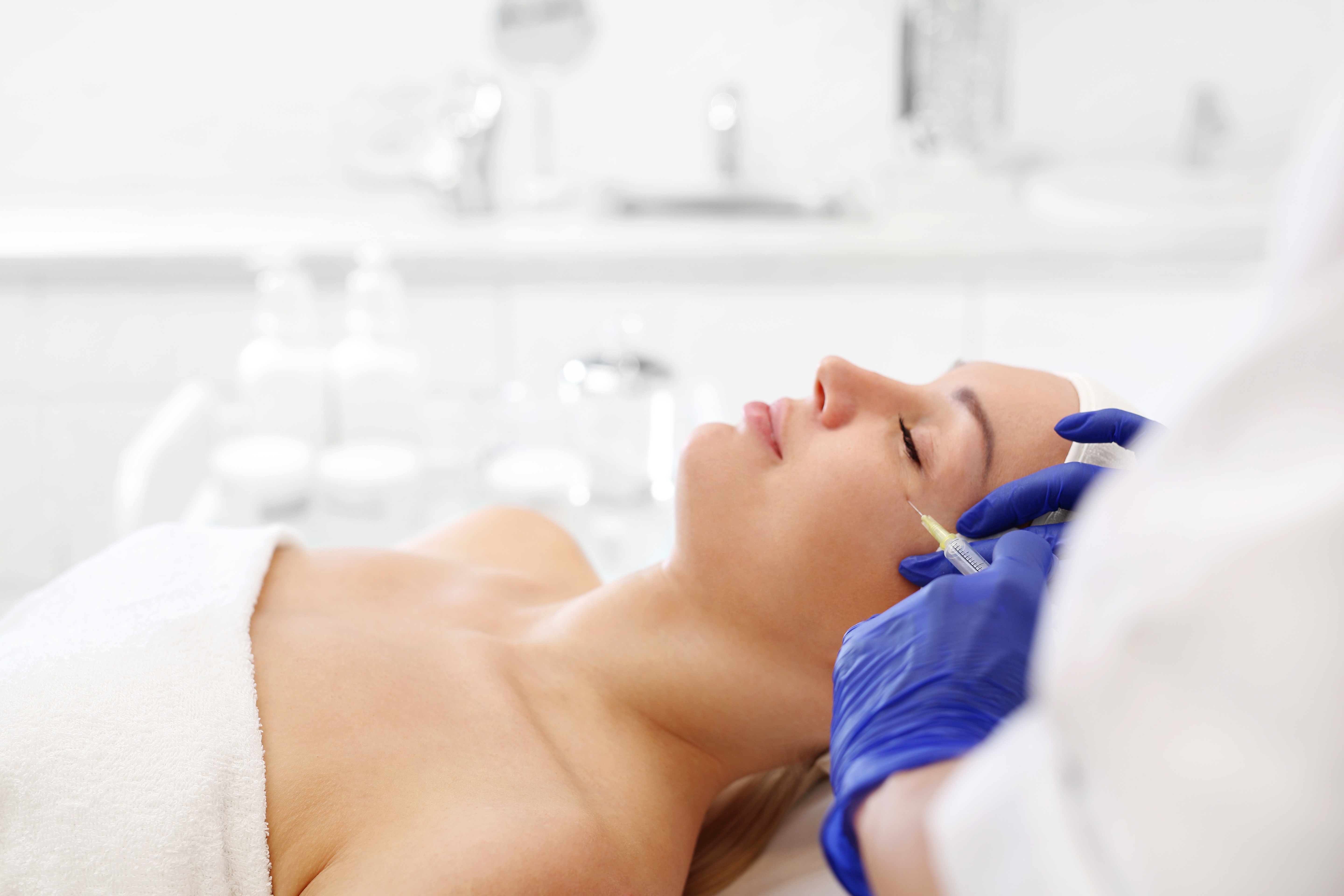
The UK government has opened a consultation to ask aesthetic practitioners, regulators, businesses, the public and other industry experts for their say on draft regulations surrounding high risk cosmetic procedures.
Which aesthetic treatments would be restricted under the new regulations?
The proposed restrictions would limit who can perform high-risk cosmetic procedures, including liquid Brazilian Butt Lifts, vampire facials and deep chemical peels.
The proposed rules would also prohibit under-18s from undergoing cosmetic surgery and specified high-risk procedures.
Fillers injected outside the face, including liquid BBLs, would be classified as cosmetic surgical procedures and restricted to doctors.
High-risk non-surgical treatments, including deep chemical peels, vampire facials, dermal micro-coring and certain laser procedures, would be restricted to doctors, dentists and specified nurses, midwives and pharmacists, subject to the requirements set out in the draft regulations.
Breaking the rules could see providers being hit with unlimited fines, or fixed penalties up to £4,000.
"Over a number of years, the line between a beauty treatment and a medical procedure has blurred. A lack of regulation in what has become a booming market has led to an exploitation of these gaps, placing members of the public at serious risk," says the chief policy & sustainability officer at the British Beauty Council, Victoria Brownlie.
The draft regulations follow the government's commitment to regulate non-surgical cosmetic procedures in England, set out in its August 2025 response to an earlier consultation, amid growing concern over so-called “cosmetic cowboys”.
Scotland is also moving towards tighter regulation across the industry. In April this year, the Scottish Parliament agreed to pass a new law increasing restrictions on non-surgical cosmetic procedures, including botulinum toxin and filler.
In February 2026, the House of Commons Women and Equalities Committee called for urgent reform, including mandatory licensing for lower-risk non-surgical cosmetic procedures and restrictions on high-risk treatments. The report also called for an immediate ban on liquid BBLs.
"These changes mean that only properly trained professionals can carry out the most serious, high-risk procedures, and that young people will be shielded from treatments that can go badly wrong.
"We want to drive cosmetic cowboys out of the market and raise standards across the board, giving reputable businesses a fair chance to thrive by helping people identify safe, qualified providers they can trust," explains health minister Karin Smyth.
When will the new aesthetic regulations come into force?
The government consultation is now open, asking clinicians, regulators, businesses, the public and other experts for their say on the draft regulations before plans go through the parliamentary process, which is currently planned for spring 2027.
Separate to the consultation, the government remains committed to implementing the proposed licensing scheme to ensure that clinics delivering other non-surgical cosmetic procedures, including botulinum toxin, lip filler and other lower-risk treatments meet strict safety standards.
Have your say on the future of aesthetic regulation here.