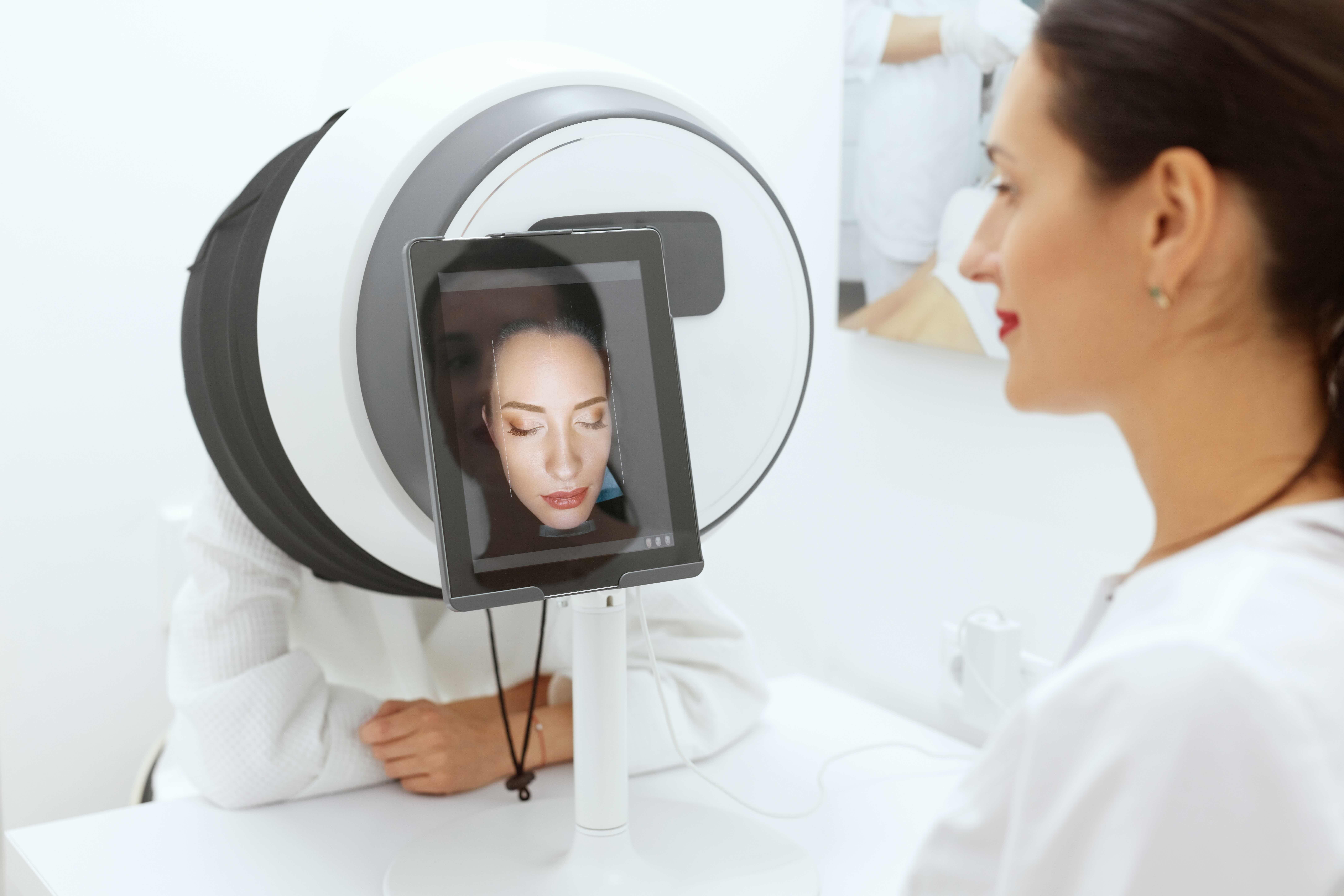
Aesthetic dermatology nurse Victoria Burles-Piihl discusses how AI is transforming modern aesthetic clinics.
As someone who manages an international chain of clinics, I see firsthand how time constraints and resource limitations can be challenging.
Artificial intelligence (AI) has become my trusted ally, assisting in the onboarding of new practitioners, refining training programmes and enhancing treatment planning.
AI skin analysis and accurate diagnosis
One of the biggest impacts of AI is in diagnosing skin concerns. Traditional consultations rely on a practitioners trained eye and experience, but AI introduces an additional layer of accuracy.
For example, AI facial scanning technology has revolutionised how I approach skin conditions such as melasma. By distinguishing between vascular, dermal and epidermal melasma, AI enables me to design targeted and effective treatment plans, eliminating guesswork and ensuring optimal results.
Personalised treatment plans with Artificial Intelligence
AI’s ability to analyse vast amounts of data makes it an invaluable tool for tailoring skincare solutions.
By evaluating skin type, texture and environmental influences, AI helps me suggest personalised treatment plans. Whether a patient is looking for hydration, pigmentation correction or anti-ageing solutions, AI uses data to recommend evidence-based options.
In my clinics, AI-enhanced skin assessments ensure that every patient receives a regimen tailored to their specific concerns.
Enhancing consultation efficiency in aesthetics clinics
Consultations are the foundation of effective skincare, but they can be time-consuming. AI-powered tools streamline this process by collecting essential patient data – such as skin history, lifestyle factors and previous treatments – before an appointment even begins.
Virtual skin assessments provide real-time analysis, allowing me to focus on strategic decision-making rather than time-consuming manual evaluations.
Sustaining patient engagement with AI technology
AI extends its benefits beyond the treatment room by ensuring ongoing engagement.
Automated follow-ups can remind patients about their next appointments, provide customised skincare recommendations and track progress over time.
AI-driven skin scanners capture pre- and post-treatment images, allowing patients to visually assess their improvements.
Over the past few years, my records indicate that patients who received AI-supported progress tracking had a 40% higher rebooking rate. Our current face scanner also tracks the skin’s true age.
My loyal patients are offered a complimentary facial scan every year, and they are often intrigued to see their skin’s true age fall lower than their actual age, which motivates them to continue their skincare and treatment plans.
Balancing AI technology with human touch
Despite AI’s many advantages, the essence of what we do lies in human connection. AI is my supportive tool, not a replacement for my intuition and understanding. In my clinics, I combine AI diagnostics with traditional dermoscopic assessments and in-depth patient conversations to ensure a holistic approach.
In embracing AI, I am not replacing human expertise, I am enhancing it. By integrating technology with a holistic, patientcentered approach, I am setting new standards of care, ensuring that every treatment is precise, personalised and effective, thanks to AI.
Victoria Burles-Piihl
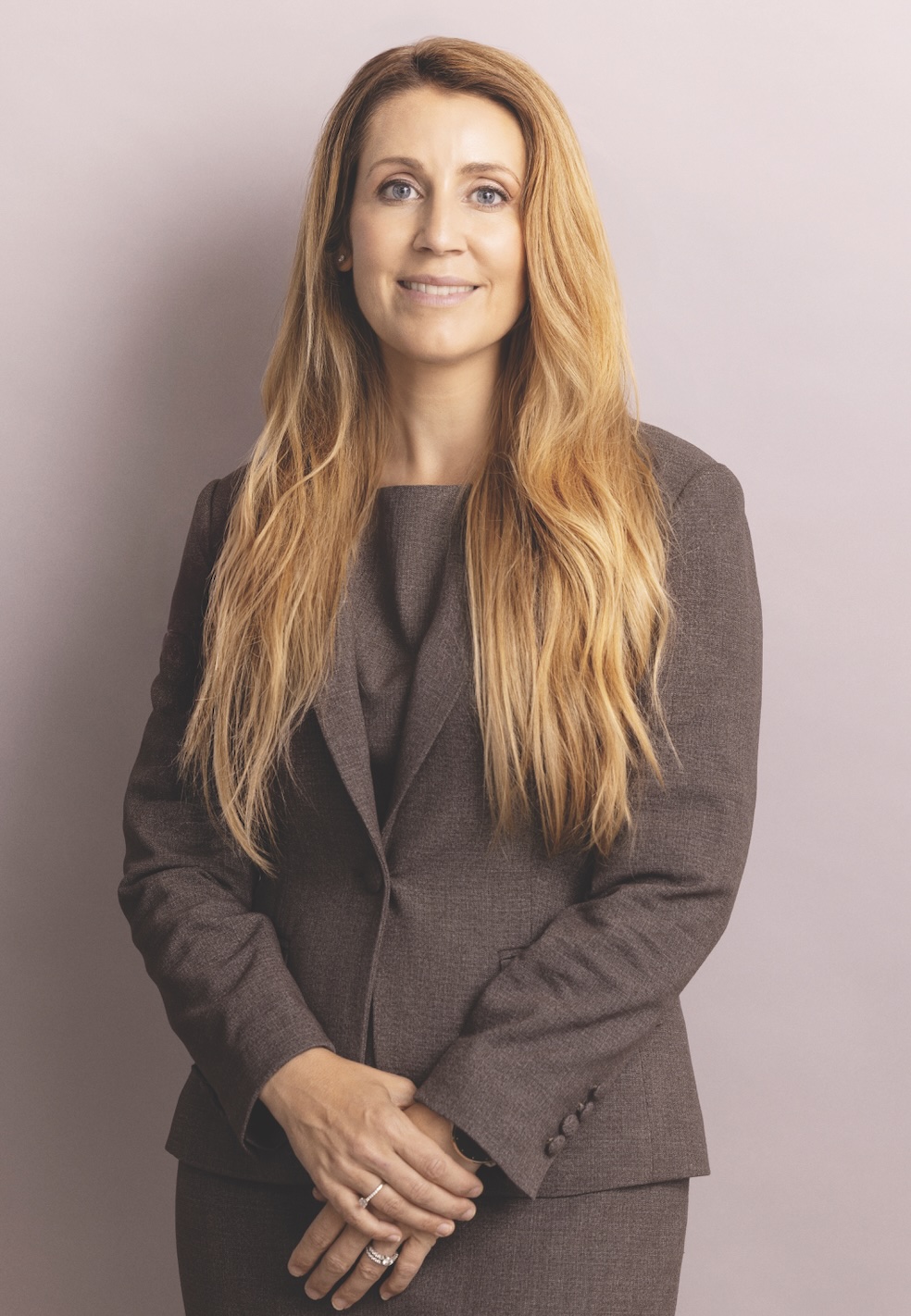
Victoria Burles-Piihl is an aesthetic dermatology nurse and co-founder of Cutis Clinic, which has four locations in Denmark. She is also the co-founder of professional skincare brand Apeer Beauty.