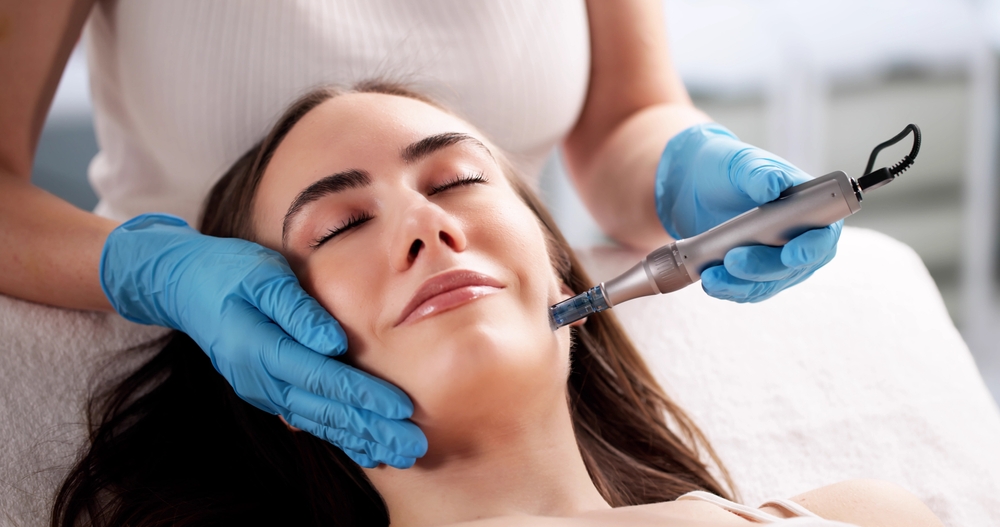
The Scottish Parliament has agreed to pass a new law increasing restrictions on non-surgical cosmetic procedures, including botulinum toxin and filler.
The legislation’s main purpose is to regulate the non-surgical cosmetic procedures industry, following growing concerns surrounding the rise of botched procedures that risk patient safety.
This bill follows the UK government's announcement in August, which proposed a licensing scheme to regulate aesthetic and non-surgical cosmetic procedures.
The Bill proposes that a selection of defined non-surgical procedures will only be permitted to be carried out in a registered healthcare setting.
The Bill also plans to strengthen the regulations surrounding minors receiving these procedures, prohibiting any individuals under the age of 18 from having any non-surgical cosmetic procedures.
Latest developments
On Tuesday 17 March, the Scottish Government debated the final amendments of the Bill and voted to pass the Non-surgical Procedures and Functions of Medical Reviewers (Scotland) Bill.
This Bill means certain non-surgical cosmetic procedures must be carried out by or alongside registered healthcare professionals, or in permitted premises.”
Registered healthcare professionals
This means that any practitioner who is officially licensed and regulated by one of the main UK healthcare regulatory bodies, particularly doctors, dentists, nurses, midwives, pharmacists, and other allied health professionals can carry out non-surgical procedures in permitted premises.
Procedures may be carried out by someone acting under the direction of one of these regulated professionals.
This means that non-healthcare practitioners will be required to register with Healthcare Improvement Scotland (HIS). To be able to continue practicing, they must operate within permitted premises, with a qualified medic's oversight whilst any procedures take place.
The MPs have the power to update or change the list of regulators or authorised persons through regulations.
Permitted premises
Under the Bill "permitted premises" covers registered healthcare settings such as clinics, hospitals, dental practices, or NHS medical premises, not in private homes.
What procedures will be included in the bill?
The bill aims to regulate some of the most common non-surgical cosmetic procedures, and follows a consultation carried out in 2020, which found that 98% of respondents supported stronger regulation of procedures by practitioners who are not qualified healthcare professionals.
The following procedures will be regulated by the bill:
- Ablative laser treatment
- Chemical peel
- Dermal microcoring
- Injectable procedure (excluding tattooing)
- Intravenous procedure
- Licensed procedure carried out with prescribed anaesthetic
- Licensed procedure carried out on an intimate area (except non-ablative laser hair removal)
- Microneedling 1.5 mm or deeper
The Scottish Government will have powers to expand or amend the list of regulated treatments.
This means there could be changes to the list of procedures covered by the bill, who can provide these procedures, training and qualification requirements, and the creation of additional offences.
Treating under-18s
Under the Bill it is illegal to provide a non-surgical procedure to someone under 18 years old.
A practitioner accused of this offence has a defence if they can show that:
- They took reasonable steps to check the client’s age
- They reasonably believed the client was 18 or older at the time of the procedure
Breaching the bill will be a criminal offence
HIS will have the powers to enter and search premises where there is a suspicion that these procedures are being carried out in breach of these offences.
It is expected that as of Septemeber 2027, under this Bill, it will be a criminal offence;
- For individuals who are not registered healthcare providers to provide any of these procedures.
- Carry out procedures outside of the 'permitted premises'
- To provide these procedures to anyone under 18
The maximum penalty for breaching these sections of the Bill is a £20,000 fine.
Industry Response
“We are absolutely delighted after years of supporting and advising the Scottish Government that this Bill has finally been published. We are also grateful to have played an instrumental part in the revisions ahead of publication, both through our own submission, as well as my contribution as a part of the Scottish Government's Interventions Expert Group,” shares the British Association of Beauty Therapy and Cosmetology’s CEO and chair, Lesley Blair MBE.
“We are thankful that our recommendations were accepted and the Bill now reflects a proportionate approach to regulation without impacting client safety and professional standards, which is imperative for the future of the sector in Scotland.
“This is a very positive step forward and BABTAC will continue to support and advise both the Scottish and the wider UK government to ensure a safer beauty industry.”
You might also like to read... Government announces new regulations for aesthetic and non-invasive procedures