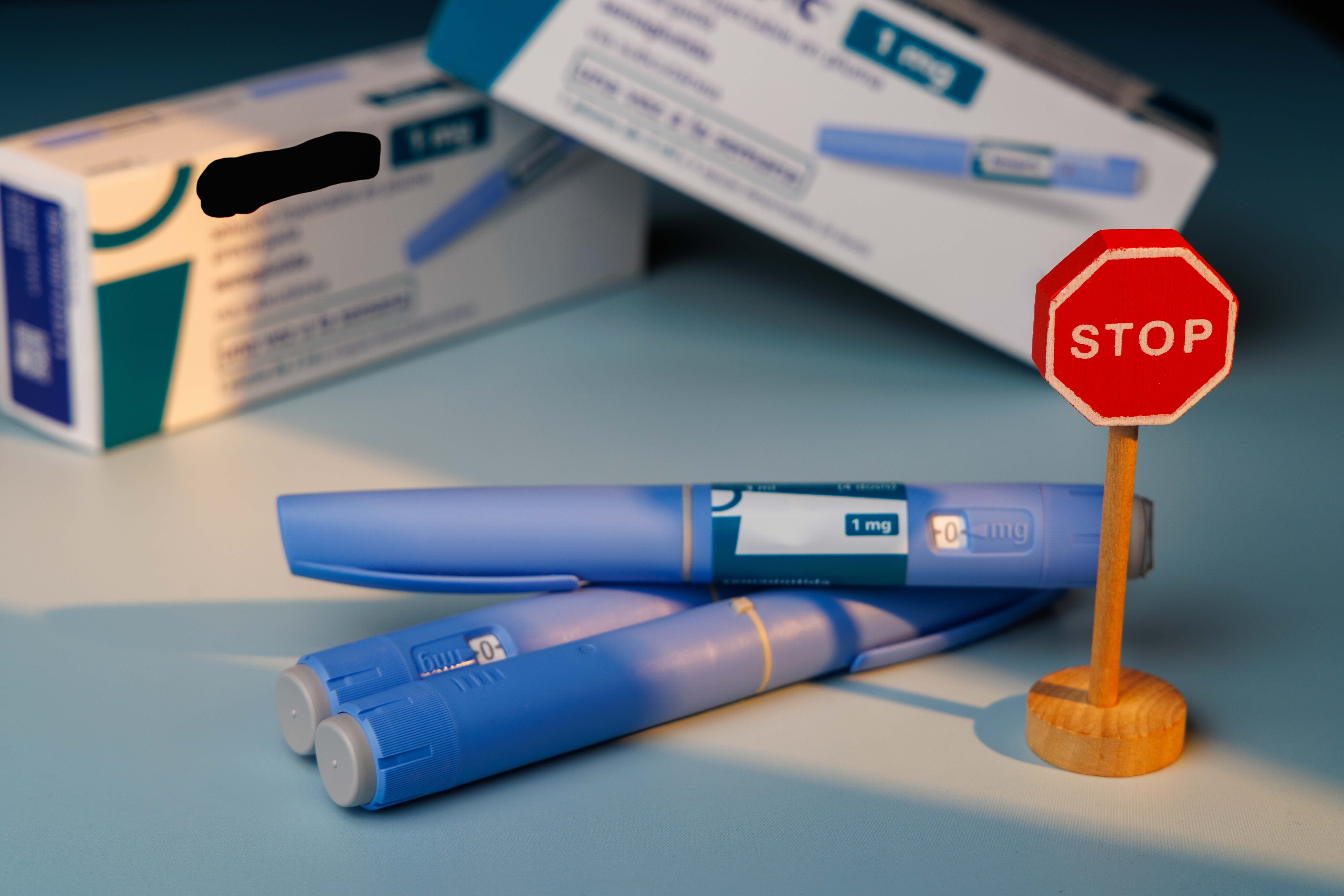
The ASA and CAP have released a new consumer research report and enforcement report, following growing public consciousness surrounding GLP-1 weight loss medications.
The new report found that 71% of the UK population have “functional” or “high” knowledge of GLP-1 products.
A UK-wide online survey with 2,000 respondents aged 18-64 also found that only 20% of the UK population said they were happy with how their body looked, with just over two-fifths of respondents stating they had tried at least one weight loss method.
ASA reinforces POM rules on GLP-1 weight loss advertising
The growing interest in weight loss medications raises concerns surrounding the ethical promotions of these services.
The ASA enforces the ban on advertising prescription-only medicines (POMs), which includes weight loss medications.
This notice applies to ads for POMs used for weight management in all media, including on social media platforms and online.
Advertisements are monitored using the ASA’s AI-assisted Advice Ad Monitoring system to actively scan for ads that breach this enforcement notice.
If advertisements are found to have broken the guidelines, the sanctions include removing the content when appropriate, and advertisers may be referred to a statutory regulator for further sanctions.
The research found that just under half of people in the UK are aware that GLP-1 weight loss injections are POMs, and only a third of the UK population are unaware that there are restrictions on the advertising of POMs in the UK.
Weight loss ads and body image concerns drive interest in GLP-1 treatments
As part of the research, participants were shown a weight loss ad and asked questions about their perceptions.
Across the 12 examples of weight loss treatment ads, 10% of the UK population thought ads were promoting weight loss injections; this percentage rose to 29% when participants were prompted with a list of potential products or services that may be being advertised.
The research found that certain prompts made participants more likely to interpret the ads as being for injections. Advertisements that included injection pen imagery, references to rapid weight loss, and pricing information were more likely to be interpreted as referring to injections than ads using general weight-management language.
Other information, including known brand names – such as Mounjaro or Wegovy, product information, effectiveness claims, and the tone or approach - also increased the likelihood of participants interpreting the ad as being about GLP-1 weight loss medications.
From these ads, on average, 44% of the UK population thought the weight loss treatment ads were trying to encourage them to purchase the product or service.
In comparison, 22% feel the ad is encouraging them to talk to a healthcare professional about eligibility or suitability of the service.
The majority of participants felt that these weight loss treatment ads put pressure on people to lose weight.
The research also reveals that 7 in 10 participants reported that they had seen similar weight loss ads in the past six months.
In the report, the ASA stated that these research findings provide valuable insights into how people interpret ads for weight loss services, informing future ASA and Committee of Advertising Practice CAP regulation in the weight loss medication sector.
ASA identifies breaches in GLP-1 weight loss medication advertising
Alongside the consumer research, the ASA has published an enforcement update, outlining how they’re responding to these risks and the action we're taking to keep patients safe.
Using their AI-driven Active Ad Monitoring system, the ASA has been able to assess tens of thousands of weight loss ads from advertisers.
The ASA jointly published an Enforcement Notice with the Medicines & Healthcare products Regulatory Agency (MHRA) and the General Pharmaceutical Council (GPhC) in September 2025, updating guidance clarifying how the rules apply.
The recent enforcement report revealed that, from these assessments, the ASA has identified around 900 ads likely to breach the rules, from 38 of the 44 advertisers monitored. With the main issues surrounding naming prescription-only medicines, wording that implied them, and images of branded injection pens.
The CAP contacted 46 advertisers, including some referred complaints to the ASA, as well as those identified through monitoring, and instructed them to amend or remove non-compliant ads.
ASA to expand GLP-1 ad monitoring and enforcement in 2026
In 2026, the ASA has plans to continue monitoring and enforcement, including issuing new rulings where precedent is still developing. This surrounds current grey areas, including influencer and affiliate advertising and promotional pricing.
The ASA has plans to further engage with the aesthetics industry to ensure that advertisers understand their responsibilities and comply with the law and guidance.
Following their collaboration with the MHRA and GPhC, the ASA plans to continue working closely with the bodies to stay ahead of emerging advertising risks.
You might also like to read