With weight loss drugs on the rise, patients are increasingly seeking aesthetic support for the skin laxity and volume loss that follows rapid fat reduction. Ellen Cummings explores some of the options.
The rise of GLP-1 receptor agonists has reshaped the weight management landscape.
Originally developed for type 2 diabetes, medications such as semaglutide and Ozempic are now widely prescribed for weight loss, often delivering results that would once have required bariatric surgery.
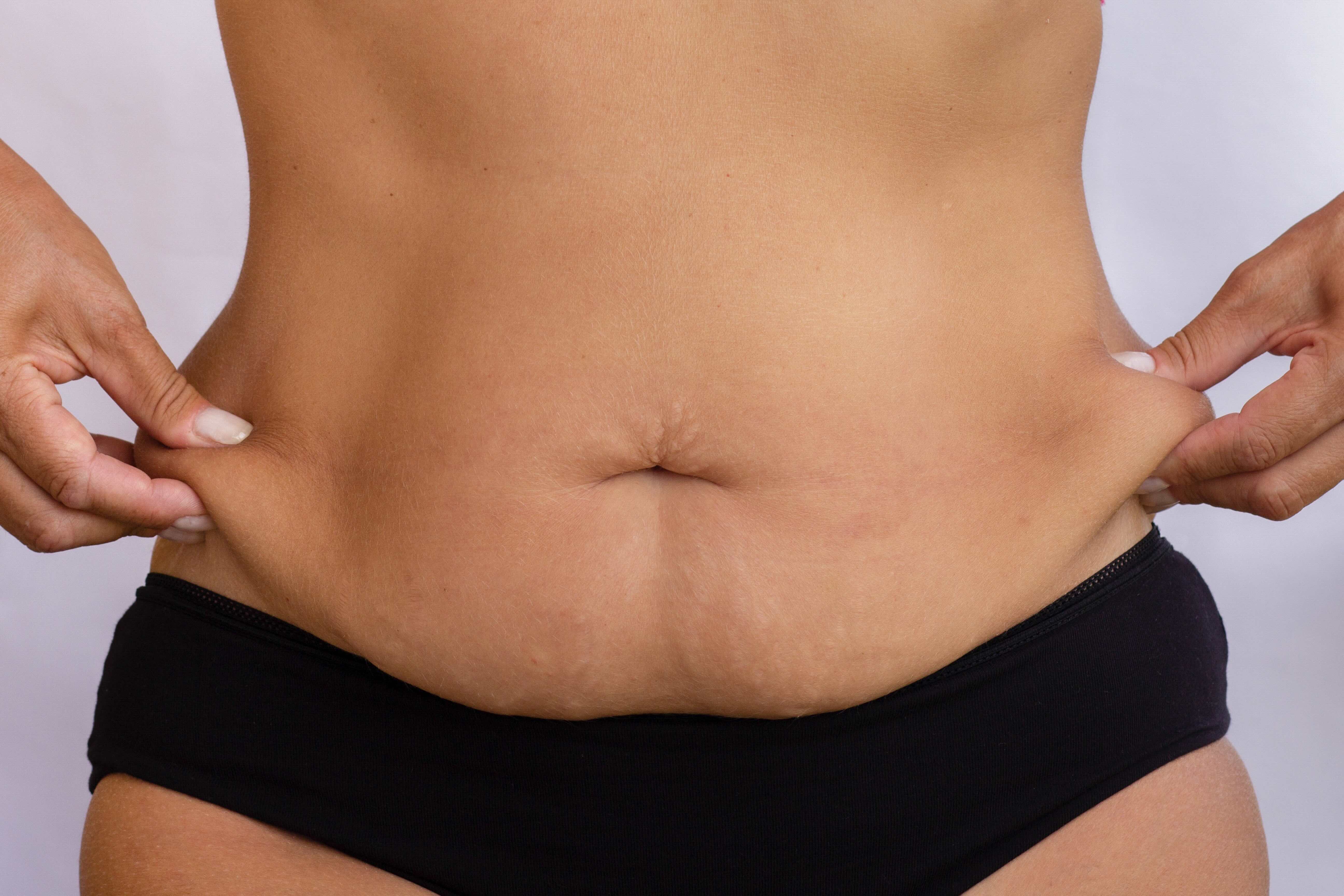
But with this new era of rapid weight loss comes a growing clinical challenge: how to help patients manage the aesthetic consequences of shrinking quickly. For many, the result is not just a slimmer body, but skin that can feel looser and look deflated.
The effect of rapid weight loss on skin laxity and volume
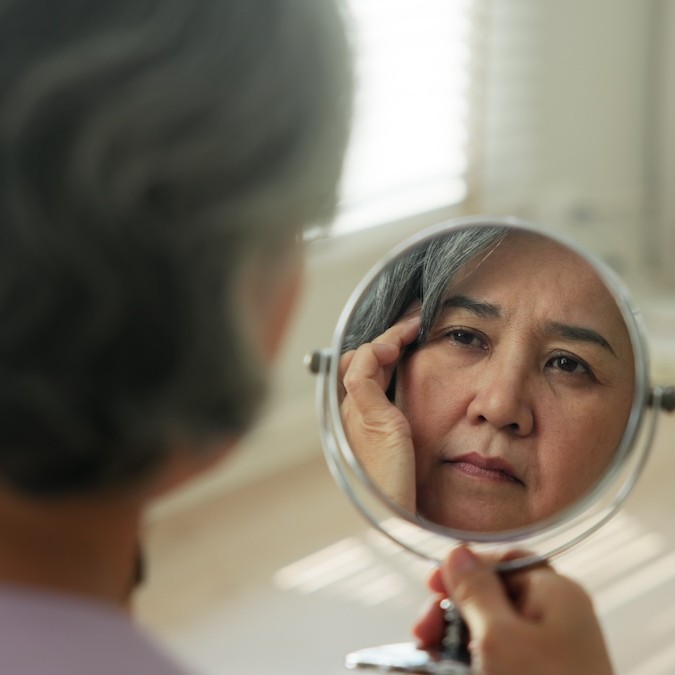
Skin is a highly adaptable organ, but its ability to remodel is limited when weight loss is fast. As London-based aesthetic doctor Dr David Jack explains, "When fat is lost quickly, the dermis and subcutaneous tissues have little time to remodel in tandem, which can leave the skin appearing lax, thin and deflated.
"Collagen and elastin networks are already under pressure with age and UVdamage for most, and when subcutaneous fat is suddenly withdrawn, the scaffolding effect diminishes, leading to crepiness and sagging.”
This mismatch between how patients feel and how they look is a recurring theme in clinics. Dr Jack explains, “I often see patients presenting with a ‘deflated balloon’ quality to their skin. This shows not only in the face but also in the body areas such as the abdomen, arms and thighs.”
Rapid weight loss, whether through GLP-1 agonists like semaglutide or even as a result of dietary restriction, can have a striking impact on skin integrity.
Dr David Jack
Energy-based devices: first-line aesthetic treatments
Aesthetic devices are the forefront of managing the aesthetic challenges of rapid weight loss
For patients who wish to avoid or delay surgery, energy-based devices are often the first port of call. “Energy-based devices are a cornerstone here,” says Dr Jack. “Radiofrequency microneedling, such as Morpheus8, has been particularly effective in my practice because it stimulates neocollagenesis and neoelastogenesis at various depths, with the added benefit of tightening fibroseptal networks in the subcutaneous tissue on body areas.
“Fractional lasers, especially CO2, Erbium:YAG and newer systems like Ultraclear, also play a significant role in remodelling dermal architecture. For body treatments, bulk-heating radiofrequency can provide more widespread tightening for patients wishing for less ablative treatments, and lasers such as Endolift can be useful in tightening at a deeper level.”
Timing is critical, as Dr Jack explains, “I generally advise patients to be at a stable weight for at least three to six months before embarking on more intensive device-based treatments. This avoids chasing a moving target and ensures collagen stimulation is happening in tissue that is not still undergoing rapid change and nutritional support has likely stabilised.”
The role of injectables
Injectables can complement devices by stimulating collagen and restoring lost volume.
“Biostimulatory injectables are central in supporting post-weight loss patients as they can encourage fibroblasts to rebuild collagen and extracellular matrix, thereby improving density and elasticity,” says Dr Jack.
“Calcium hydroxyapatite and PLLA have traditionally been used in this space and do have evidence for stimulating collagen; however, in my own practice, I tend to favour alternatives such as polynucleotides and Profhilo, which I find more adaptable and with fewer concerns around nodule formation. These products work to enhance skin quality in a way that complements more structural restoration.”
When hollowing is evident, structural fillers can be added. Dr Jack comments, “When significant volume loss accompanies laxity, hyaluronic acid fillers are often combined with biostimulatory treatments. Here, the approach differs from standard facial rejuvenation: rather than simply softening lines, the priority is to re-establish contour and projection lost with subcutaneous fat.
Combination treatment protocools
In most cases, a combination approach is required.
“Combination protocols are usually necessary and almost always done in my clinical practice as part of a holistic treatment plan,” says Dr Jack.
Combination protocols may include:
- Radiofrequency microneedling (three sessions, monthly)
- Biostimulatory injectables at strategic intervals
- Conservative filler placement for contour restoration
These plans are highly individualised and evolve over time.

When to turn to surgery
While non-surgical modalities can deliver improvements, they have limits.
“It depends case by case and what the patient’s goals are, but typically when the skin laxity isn’t responding to non-surgical intervention meaningfully, surgery becomes the only realistic and effective option,” says Dr Solomos.
“This could be in situations where excess skin causes functional issues or where the aesthetic burden is affecting the patient’s quality of life and confidence.”
Surgical Timing and Patient Selection
Dr Solomos recommends patients wait six to 12 months after reaching their target weight, with at least six months of stability.
Key considerations include:
- Nutritional adequacy
- Skin quality and elasticity
- Smoking status
- Mental readiness and realistic expectations
Managing expectations and aftercare
Both doctors emphasise the importance of clear communication.
“Patient education is absolutely central,” says Dr Jack. “I generally emphasise staged improvement, the importance of ongoing maintenance and the possibility of surgical referral if expectations exceed what injectables and devices can deliver.”
Dr Solomos highlights the importance of transparency around scarring, recovery timelines and final outcomes, as well as psychological support.
Post-surgical aftercare may include:
- Compression garments
- Scar management protocols
- Lymphatic drainage massage
- Regular follow-ups
Supporting skin health holistically
Beyond clinic walls, patients need a strong foundation in their skincare and lifestyle habits.
Dr Jack recommends:
- Topical vitamin A, vitamin C and E
- Barrier-supporting ingredients such as niacinamide and azelaic acid
- Adequate protein intake to support collagen synthesis
- Omega-3 fatty acids and antioxidant supplementation
The future of managing rapid weight loss in aesthetics
As the use of weight loss drugs becomes more prevalent, so too will the demand for aesthetic intervention.
“GLP-1 medications have opened a potentially new patient demographic for aesthetic medicine, but they also require us to manage expectations carefully and to be honest about the limitations of non-surgical approaches,” says Dr Jack.
For aesthetic practitioners, the message is clear: empathy, honesty and collaboration are essential.
You might also like to read...