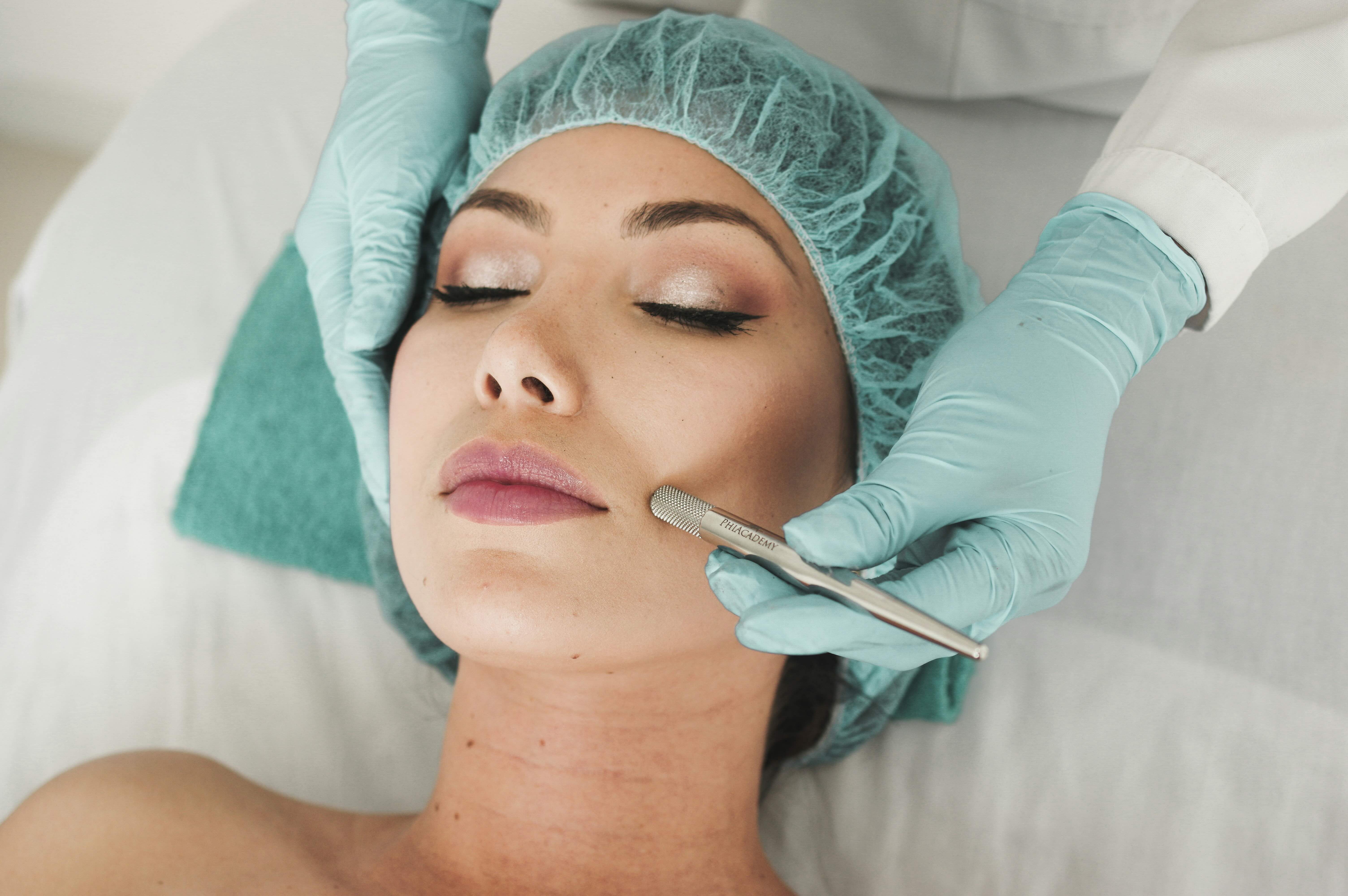
Wellness trends are reshaping aesthetic treatments, client expectations and clinic services. From facelifts to fillers, holistic hair care to AI-assisted skin analysis, there have been many changes to wellness and aesthetic trends over the past year that are changing patient’s attitudes to aesthetics and shaping their expectations when it comes to the treatments they do and don’t want.
In this article, we will look at what aesthetic clinics need to know about wellness demands and how wellness trends are shaping patient demands so they can adapt their procedures and services to align with aesthetic industry changes.
High maintenance to be low maintenance
In an ongoing beauty trend on social media, "High maintenance to be low maintenance" looks to continue patient habits. This sees patients opting to invest time, effort and money upfront to create effortless daily routines.
Procedures such as laser hair removal, keratin hair treatments, brow lamination and professional facials enable them to maintain a polished aesthetic that requires minimal upkeep on a day-to-day basis.
This may mean practitioners see their patient’s less frequently, but their chosen procedures are more expensive and time intensive. Specialising in these high impact, long-lasting procedures could help to protect revenue, adapt to changing patient expectations in the aesthetic industry, and future-proof aesthetics businesses.
The return in natural looks - less is more
In 2026, many cosmetic trends are distancing from over-filled faces, and moving towards a ‘less is more’ approach.
This might be a backlash against the rise of ‘Instagram face’ that favoured more obvious treatments, like lip flips or russian lip filler, and instead consumers are requesting more natural looking, subtle treatments.
There has also been an increase in clients dissolving fillers, either completely or in a quest to restart their aesthetic journey using more subtle techniques or volumes.
From filler migration to celebrities and influencers openly sharing their dissolving stories many factors are inspiring people to move towards a more natural look, opting for more subtle ‘tweakments’ instead.
That means clients may be seeking out alternatives to traditional techniques or procedures, perhaps looking to plump lips without filler or ‘baby botox’.
Growth in health, beauty and wellness technology
As many are adopting AI in all areas of their daily lives, consumers are also utilising AI when it comes to their wellness, turning to LLMs (large language models, like ChatGPT) to help inform their health, beauty and wellness choices.
Training an AI to your specifications, needs and aims can mean it can be used to provide accurate skin analysis, analyse the suitability of ingredients in products for your skin types and concerns, check product safety, and offer targeted solutions, helping consumers to create informed routines that are unique to them.
Similarly, developments in beauty technology allow consumers to access high-spec tech at home, from EMF (electromagnetic fields) tools to stimulate the facial skin and muscles to LED face masks to address redness and ageing. The democratisation of skincare technology may lead to an increase in consumers opting for ‘at home’ treatments as it becomes more accessible and affordable.
Clinics may want to look at introducing clinic-specific, highly specialised procedures to promote, highlighting the credentials and experience of your team and showcasing the results to encourage clients to combine DIY with professional.
Holistic healthcare
Interestingly, while some are turning to wellness and aesthetic technology, other consumers are turning to more natural and holistic healthcare.
In particular, gut health has dominated wellness trends, with many patients focusing on balancing or healing their gut health by increasing intake of pre- and probiotics, staying hydrated and eating a balanced diet, avoiding processed or sugar rich foods. While this can have a positive impact on skin health, some consumers are taking this a step further, choosing topical probiotic skincare to help strengthen the skin's natural barrier.
While recent years have seen an increase in the ‘skinification’ of hair care now consumers are leaning towards holistic hair treatments. The Japanese Head Spa trend has grown in traction this year, which focuses on deep cleansing and exfoliation of the hair and scalp, combined with massage and hydration. Not only does this benefit the hair and scalp health, but also provides clients with relaxation and distressing benefits, too.
Sleep is also a big focus for health-conscious consumers. From the ‘sleepy girl mocktail’ (tart cherry juice, magnesium powder, and prebiotic or sparkling water) to ‘sleepmaxxing’ (using products like mouth tape, nasal dilators and weighted blankets) to help improve sleep hygiene.
The aim of holistic healthcare is longevity, and consumers are adopting healthy habits now to not only benefit them in the short term, but to feel the impact in the future.
Accessible weight management medication
One of the biggest beauty industry changes in 2025 was the increased availability and accessibility of weight loss medications. Coming in injectable forms, like Ozempic, Wegovy and Mounjaro, patches or weight loss pills, it is becoming easier for consumers to manage their weight, available online or over the counter, instead of only prescribed in severe cases by a doctor.
The rise of GLP-1 medication means those taking it have had to make many adjustments to their routines and habits, as well as manage side effects or adapt to their new bodies, which has had an impact on wellness trends.
Those taking GLP-1 may be turning to more supplements or an increased focus on nutrient-dense foods to help manage their health while on their weight loss journey. This may also see a rise in demand for vitamin IV treatments.
Another impact of dramatic and drastic weight loss is a decrease in skin elasticity or extreme excess skin, all over the body. To counter this, demands for skin-firming aesthetic treatments are increasing.
Aesthetic practitioners have also observed the impact it can also have on intimate areas, with reports on ‘Ozempic Vulva’ increasing this year. This could result in an increased demand for procedures like labiaplasty to improve comfort and body confidence.
Sexual Wellness and Women’s Health
There has also been an increased focus on sexual wellness and more visibility on women’s health in particular. Consumers are seeking superior products in pursuit of enhanced sexual health and wellness and support for hormonal changes at all stages of life, from menopause to vaginal microbiomes.
Many brands are already meeting these changes in consumer demands. UK brand, Hanx, which originally specialised in ‘gynae-designed‘ condoms, has expanded into other areas of sexual health and wellness, from weight management medication and health supplements, to contraception that can be ordered from their online clinic and delivered right to consumers' doors.
Similarly, sexuality is being increasingly viewed as self-care and destigmatising once taboo topics will continue to grow in the coming years, encouraging open conversations about sexual wellness in the mainstream.
The rise in face lifts
An undeniable influence on beauty trends this year is the increased popularity of facelifts. It has been speculated that many celebrities have turned to the deep plane facelift, from Kris Jenner to Lindsey Lohan and Anne Hathaway, who have all stepped out in public with noticeably tighter, lifted faces that seem to defy ageing.
Unlike regular facelifts, deep plane facelifts target the deeper facial tissue as well as the skin, creating a subtle, youthful and sculpted finish. It is incredibly technically demanding and carries many risks and currently isn’t widely offered.
However, it is expected that some clients may be seeking treatments that provide similar effects. So, offering procedures like laser resurfacing or microneedling can meet the changing client expectations without having to perform the complex and expensive, deep place facelift.
What aesthetic clinics need to know about aesthetic and wellness demands in 2026
When it comes to beauty industry changes and client expectations, clinics must consider how they can help to maintain their client base by adapting the procedures they offer to coincide with aesthetic and wellness trends.
While consumers may be choosing for less frequent aesthetics appointments, opting for high-impact investment treatments topped up with ‘at home’ tech, clinics can ensure that they provide the personalised plans that put their patients and clients at the centre of their business.
This article is sponsored by Gynaedoctors
Written by Dr Hina Pathak Sra.
You might also like to read…
• How cosmetic veneers are changing the smile standard in aesthetics
• The aesthetic trends defining 2026: AI, regenerative treatments, and the push for regulation