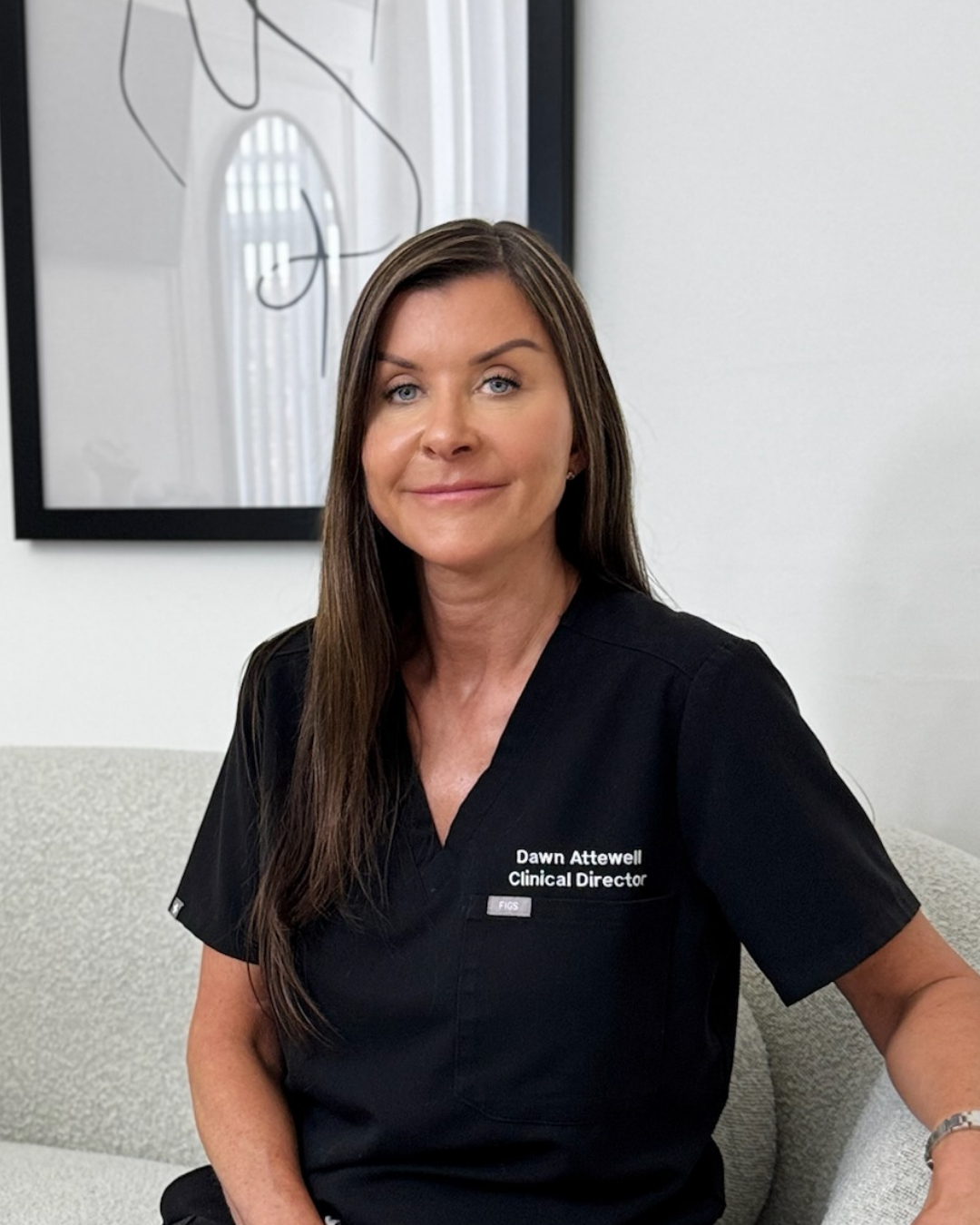
From common infections and body image concerns to the hormonal changes of menopause, women's intimate health evolves throughout every stage of life. Understanding these changes and the growing range of medical and aesthetic treatment options available can help practitioners better support patients through informed, evidence-based care, writes award-winning aesthetic nurse and independent nurse prescriber Dawn Attewell.
Breaking the Stigma
Vaginal health has long been surrounded by silence, discomfort and misunderstanding. Across many cultures, conversations about intimate health have historically been considered inappropriate or embarrassing, creating a stigma that has discouraged open discussion and education. Although this stigma still exists in the UK and many parts of the world, growing awareness of women's intimate health, alongside increased media attention and the rising popularity of vaginal rejuvenation procedures, has encouraged more open conversations than ever before.
This shift is important because vaginal concerns are not confined to one stage of life. Women experience a wide range of intimate health concerns throughout adolescence, adulthood and later life. While some conditions can occur at any age, others are closely linked to hormonal changes, pregnancy, childbirth or menopause.
Many vaginal concerns are common and highly treatable, yet embarrassment continues to prevent women from seeking timely advice. This is particularly true for conditions that cause changes in discharge, odour or sensation, where fears of judgement or assumptions about poor hygiene can discourage women from speaking to a healthcare professional. Although these symptoms can be distressing, they are rarely serious when recognised and managed effectively.
Common Vaginal Health Concerns
Two of the most common vaginal conditions are bacterial vaginosis (BV) and vulvovaginal candidiasis (thrush). Although they share some symptoms, they have different underlying causes and require different treatment approaches.
BV can affect women of all ages after puberty but is most common during the reproductive years. The vaginal microbiome is normally dominated by beneficial bacteria that help maintain a slightly acidic pH. In BV, this balance is disrupted, allowing other bacteria to proliferate. The precise cause of this imbalance remains unclear, which can make recurrent episodes particularly frustrating for those affected.
Several factors have been associated with an increased likelihood of developing BV, including having a new sexual partner or multiple partners, vaginal douching, smoking and the use of intimate hygiene products, which may disrupt the natural vaginal environment and contribute to changes in vaginal pH and microbiome balance. While sexual activity can influence the vaginal microbiome, it is important to note that BV is not classified as a sexually transmitted infection.
Thrush is another common condition that women frequently confuse with BV. Typical symptoms include intense itching, soreness, redness and a thick, white vaginal discharge. Unlike BV, thrush does not usually produce a strong or unpleasant odour, although the irritation it causes can be significant.
Thrush results from an overgrowth of Candida, a yeast that naturally exists within the body. This overgrowth occurs when changes to the vaginal environment favour yeast proliferation. Although thrush can affect women at any age, it is most common during the reproductive years, especially during pregnancy, when higher oestrogen levels create a more favourable environment for yeast growth. It is less common before puberty and after menopause, although it may still occur following antibiotic use, hormone replacement, poorly controlled diabetes or other factors that disrupt the vaginal microbiome or immune system.
Appearance Versus Anatomy
While many intimate concerns relate to physical health, women may also experience worries about the appearance of their genital anatomy. In reality, these concerns more commonly relate to the vulva, which includes the labia and surrounding external structures rather than the internal vaginal canal.
As girls progress through puberty and become more aware of their changing bodies, self-consciousness about appearance often begins to develop. This awareness is increasingly influenced by media portrayals and online imagery that promote a narrow and often unrealistic representation of female anatomy.
It is important to recognise that there is considerable natural variation in vulval appearance. Differences in size, shape, colour and symmetry are entirely normal. Nevertheless, some women experience genuine distress or reduced confidence about their appearance, particularly within intimate relationships. For these patients, reassurance, education and realistic expectations remain an important part of any consultation.
Pregnancy, Childbirth and Ageing
For many women, pregnancy and childbirth bring both functional and anatomical changes. Vaginal delivery places considerable strain on the pelvic floor muscles and surrounding tissues. During the months that follow, some women notice vaginal laxity, reduced muscle tone, dryness or discomfort during sexual intercourse. Others may experience altered sensation or mild symptoms of pelvic organ prolapse. Although many postpartum changes improve naturally, particularly when supported by pelvic floor rehabilitation, some symptoms may persist and continue to affect quality of life.
Independent of childbirth, the natural ageing process also contributes to changes in vaginal tissue quality. As oestrogen levels gradually decline, the elasticity and resilience of the vaginal walls reduce. Tissues that were once firm and supple may become thinner and less elastic, sometimes contributing to a sensation of vaginal looseness. These changes may influence comfort, sexual wellbeing.
Menopause and Vaginal Health
Perimenopause and menopause introduce further changes to the vaginal tissues as declining oestrogen levels reduce natural lubrication. For many women, this leads to dryness, itching, irritation and discomfort during sexual intercourse, with symptoms often developing gradually before becoming more pronounced after menopause.
Vaginal dryness is more than a minor inconvenience. Reduced lubrication can affect comfort, intimacy and everyday activities, while thinner, more fragile tissues become increasingly susceptible to irritation, inflammation and minor injury. Early recognition and timely management can therefore have a significant impact on quality of life.
For many women, simple measures such as over-the-counter vaginal moisturisers and lubricants provide effective symptom relief. In other cases, prescription treatment may be appropriate. Local oestrogen therapy, available as creams, pessaries or vaginal rings, can help restore tissue and improve long-term comfort for women experiencing symptoms associated with declining oestrogen levels.
Assessment before treatment
Alongside established medical management, a range of aesthetic interventions is now available for women seeking to address both functional and appearance-related concerns. These include surgical and non-surgical approaches, with treatment selection guided by the patient's symptoms, anatomy, expectations and clinical suitability.
For aesthetic practitioners, a thorough consultation forms the foundation of safe and appropriate treatment. Taking the time to understand the patient's medical and gynaecological history, symptoms and treatment goals helps determine whether a patient's concerns are suitable for aesthetic treatment or whether they reflect an underlying condition requiring medical management. Those presenting with persistent pelvic pain, unexplained vaginal bleeding, recurrent infections, significant pelvic floor symptoms such as a vaginal bulge or urinary incontinence, or suspicious vulval lesions should be referred to a gynaecologist for further assessment before aesthetic treatment is considered.
A detailed consultation also provides an opportunity to discuss realistic expectations and explain the current evidence supporting available treatments. While some concerns may respond well to non-surgical treatments, others may be better addressed surgically, and some unrealistic expectations may not be achievable regardless of the approach. If a patient's expectations remain disproportionate to what can reasonably be achieved following counselling, practitioners should consider referring the patient for psychological assessment before proceeding with treatment.
Patients should also receive complete and balanced information about the available evidence, expected outcomes, potential risks and alternative management options, allowing informed consent to be obtained before treatment.
Exploring Aesthetic Treatment Options
When it comes to opting for aesthetic treatments, surgical procedures such as labiaplasty and vaginoplasty, may be suitable for carefully selected patients experiencing significant functional concerns or dissatisfaction with vulval appearance. These procedures can provide lasting anatomical changes but require appropriate counselling regarding recovery, potential complications and expected outcomes.
For women seeking less invasive options, non-surgical treatments have grown in popularity in recent years. These include energy-based devices, such as laser and radiofrequency technologies, alongside regenerative treatments designed to improve tissue quality. Although these approaches continue to evolve, treatment should always be based on careful patient assessment and current evidence.
Lasers
Laser therapies, including fractional CO₂ and Er:YAG devices, use controlled thermal energy to induce morphological changes in the vaginal tissues. Applied to the vaginal canal, these treatments aim to promote collagen production and improve tissue quality, which may help alleviate symptoms such as mild vaginal laxity and dryness. CO₂ laser treatment has been shown to produce statistically and clinically significant improvements in patients' symptoms and sexual function. A prospective study found that fractional CO₂ laser therapy improved vaginal health, including vaginal elasticity, fluid volume, vaginal pH, epithelial integrity, and moisture, by 93.2% at 6 months and maintained an 81.4% improvement at 12 months, while sexual function improved by 46.9% after 12 months. Patient satisfaction reached 94%, with only mild, transient side effects. Some treatment protocols also include the external vulva, with the goal of improving skin texture, pigmentation and overall tissue quality.
Radiofrequency
Radiofrequency technologies deliver controlled thermal energy into tissue, with proposed effects including collagen remodelling, improved elasticity and tissue regeneration. Popular devices used within the industry include EmFemme 360 by BTL and FormaV by InMode. Clinical studies have investigated RF devices for concerns such as vaginal laxity and genitourinary symptoms, with reported improvements in vaginal health scores, lubrication-related symptoms and sexual function. Some RF protocols also target the external vulva, including the labia majora, with the aim of improving tissue firmness, laxity and overall aesthetic appearance as part of non-surgical vulvar rejuvenation.
PRP
Regenerative therapies, particularly platelet-rich plasma (PRP), have attracted increasing interest as a minimally invasive approach in intimate health. PRP is an autologous concentrate of platelets and growth factors derived from the patient’s own blood, which may promote angiogenesis, collagen synthesis and tissue remodelling. In vulvovaginal applications, PRP has been investigated for conditions including genitourinary syndrome of menopause, vaginal dryness, dyspareunia and reduced tissue elasticity. However, current evidence remains based largely on small observational studies and early clinical trials, with further research required to establish its long-term efficacy and optimal treatment protocols.
Polynucleotides
Polynucleotide-based injectables are an emerging category within regenerative aesthetic medicine. Derived from purified nucleic acid polymers, these products are proposed to support tissue repair by promoting fibroblast activity, extracellular matrix remodelling and hydration through their interaction with the skin microenvironment. While their use has expanded in facial aesthetics for improving skin quality, elasticity and hydration, their application to vulval tissues remains at an early stage. Early studies have explored polynucleotide-based bio-revitalisation for menopausal vulvovaginal symptoms, including vaginal dryness, dyspareunia and irritation, with preliminary improvements reported. Current findings are promising, but additional research is needed to define their long-term benefits and clinical applications.
Supporting Women's Intimate Health
The female genital tract undergoes continual change throughout life in response to hormones, ageing, pregnancy and lifestyle factors. Consequently, women may experience a wide range of medical, functional and aesthetic concerns at different stages of life.
Although conversations around intimate health are becoming more visible, many concerns remain surrounded by uncertainty and are still not openly discussed. Promoting accurate, evidence-based information can help challenge misconceptions, reduce stigma and support women in seeking timely advice when symptoms affect their quality of life.
Equally important is recognising that there is no single 'ideal' vulval or vaginal appearance. Normal anatomical variation is considerable, and aesthetic concerns should always be approached with sensitivity and thoughtful counselling.
For women who choose to explore treatment options, advances in both medical and aesthetic care continue to expand the range of available interventions. By ensuring patients receive balanced information and appropriate clinical guidance, practitioners can support informed decision-making and help women make choices that prioritise both their wellbeing and their individual goals.