

Originally posted on Professional Beauty: Spilanthol in skincare: benefits, how it works and is it really “natural Botox”?
Spilanthol is gaining attention as a botanical ingredient for fine lines and wrinkles, but can skincare really mimic the effects of injectable anti-wrinkle treatments? We examine the evidence, benefits, side effects and what aesthetic professionals need to know
Search for a non-invasive alternative to injectable anti-wrinkle treatments and you may come across spilanthol, a botanical skincare ingredient increasingly described as “natural botulinum toxin” or “botulinum toxin in a bottle”.
Derived from Acmella oleracea, spilanthol has attracted interest for its potential smoothing and anti-ageing effects, with research suggesting that formulations containing the ingredient may improve the appearance of wrinkles, hydration and skin texture.
However, the science is more nuanced than the “natural botulinum toxin” nickname suggests. Evidence for topical spilanthol is still developing, and it does not have the same mechanism, evidence base or expected results as injectable botulinum toxin.
So, what can spilanthol actually do for the skin – and what should patients realistically expect?
What is spilanthol?
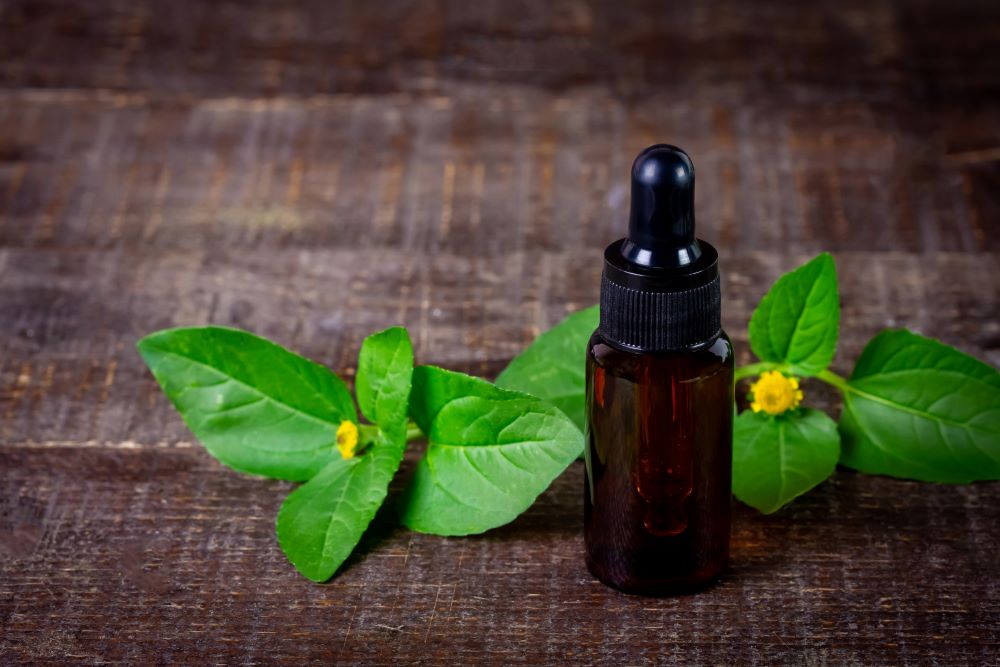
Spilanthol is a naturally occurring bioactive compound found in Acmella oleracea, a flowering plant also historically known as Spilanthes acmella. The plant is sometimes referred to as paracress, jambu, electric daisy or the “toothache plant” because of its traditional use for oral discomfort.
More specifically, spilanthol is an N-alkylamide and one of the major bioactive compounds found in Acmella oleracea. It has been studied for a range of biological activities, including anti-inflammatory and antioxidant effects, as well as its potential application in anti-ageing cosmetics.
There is also an important distinction between spilanthol and Acmella oleracea extract when reading a skincare ingredient list.
“Acmella oleracea is the plant, while spilanthol is one of the active compounds naturally found in the plant,” explains Leanne Roche, national trainer UK at Matis Paris.
“When you see Acmella oleracea on an INCI list, it means the product contains the plant extract, which includes spilanthol along with other compounds. It does not necessarily mean the product contains a specific or guaranteed amount of spilanthol.”
This means the presence of the botanical extract alone cannot tell a practitioner or consumer exactly how much spilanthol a product contains – or how effectively that particular formulation will perform.
Why is spilanthol called “natural toxin”?
The nickname comes largely from research into spilanthol's potential effects on muscle contraction, which has led to the ingredient being positioned as a topical way to soften the appearance of expression lines.
However, spilanthol is not a topical version of botulinum toxin, and “natural botulinum toxin” is a marketing comparison rather than a literal description of how the two work.
Botulinum toxin type A is injected into targeted areas, where it inhibits the release of the neurotransmitter acetylcholine at the neuromuscular junction, temporarily reducing activity in the targeted muscles. This can reduce dynamic wrinkles caused by repeated facial movement.
Topical spilanthol-containing skincare is applied to the surface of the skin and has a much less established mechanism and clinical evidence base.
Roche says the distinction is important when managing patient expectations.
“While they complement each other, they are not interchangeable and will not deliver the same results. Spilanthol offers a non-invasive approach for those who want to support smoother, more relaxed-looking skin without injectables.”
This makes descriptions such as “botulinum toxin in a bottle” potentially misleading if they imply that a cosmetic can reproduce the results of an injectable treatment.
“I’d say the ingredient has real potential, but the marketing is currently somewhat ahead of the science, especially when it comes to strong ‘botulinum toxin-like’ or muscle-relaxing claims,” adds Roche.
“While the research is looking promising, I am inclined to lean more towards language describing improved skin smoothness, softened expression lines and supporting collagen production.”
How does spilanthol work in skincare?
Spilanthol's precise action when delivered through topical cosmetic formulations is still being investigated.
Cigdem Kemal Yilmaz, chemical engineer and founder of Skin Masterclass, describes spilanthol as “a natural and fast-acting muscle-relaxant due to its ability to relax subcutaneous muscles when applied topically”.
Research has explored spilanthol's potential effects on neuromuscular activity, while experimental work has also identified possible anti-inflammatory, antioxidant and other biological actions.
However, evidence that a conventionally applied cosmetic reaches human facial muscles at a concentration sufficient to produce a clinically meaningful muscle-relaxing effect remains limited.
This distinction matters because skin penetration is highly dependent on formulation.
Laboratory research published in 2009 demonstrated that spilanthol could permeate human skin under the experimental conditions tested. More recently, however, a 2025 study of a finished Acmella oleracea-extract serum found no spilanthol permeation through its tested skin model into the receptor medium.
Despite that, participants using the serum experienced improvements in several measures of skin appearance, suggesting that visible benefits do not necessarily prove that the ingredient is reaching and relaxing facial muscles.
“While we have no definitive answer yet, spilanthol has shown positive results in testing on the appearance of wrinkles,” says Roche. “Other factors such as improved hydration and skin texture could be temporarily making fine lines look less prominent.”
That distinction is crucial for both professionals and consumers: a product can make wrinkles look better without acting like botulinum toxin.
What are the benefits of spilanthol for skin?
Spilanthol and Acmella oleracea extracts are being investigated for several potential skincare benefits, including improving the appearance of wrinkles and skin texture, supporting hydration and providing antioxidant and anti-inflammatory activity.
Spilanthol for fine lines and wrinkles
The most talked-about benefit is its potential to soften the appearance of fine lines and wrinkles.
There is some human evidence to support the anti-ageing potential of formulations containing Acmella oleracea extract.
A 2025 study assessing an Acmella oleracea-extract serum over two weeks found significant improvements in facial skin hydration and smoothness alongside reductions in roughness, scaliness and measured wrinkles in the periocular and perioral areas.
However, these studies should not be interpreted as proof that all spilanthol skincare will produce the same results. Researchers are generally testing complete formulations, and the contribution of the botanical extract has to be considered alongside the vehicle and other ingredients.
The evidence base is also much smaller than for established topical ingredients such as retinoids.
“Some studies have been conducted on spilanthol, although they were small scale and short term,” explains Roche.
“There is a lack of long term data on the usage of spilanthol. There have been little to no larger studies on how it affects the progressive structural wrinkle depth reduction over three to six months compared against gold-standard topicals like retinoids.”
Hydration and smoother-looking skin
Hydration could be an important part of spilanthol-containing formulations' visible smoothing effect.
Well-hydrated skin generally appears plumper and smoother, which can make superficial lines less noticeable even without altering the underlying muscle activity responsible for dynamic expression lines.
The 2025 Acmella oleracea serum study reported increases in hydration of 10% to 40% and an approximately 15% increase in smoothness after two weeks, alongside reductions in roughness and wrinkles.
This is why it is important not to automatically attribute every visible improvement produced by a spilanthol-containing formula to muscle relaxation.
Antioxidant and anti-inflammatory potential
Spilanthol has also demonstrated anti-inflammatory activity in laboratory and animal research, including effects on inflammatory signalling pathways and mediators.
However, that does not yet establish spilanthol as a clinically proven treatment for inflammatory skin conditions such as acne or rosacea.
“There have been several laboratory studies that demonstrate the spilanthol exhibits anti inflammatory benefits in experimental models although there have been no definitive findings,” says Roche.
Does spilanthol actually reduce wrinkles?
There is promising evidence that well-formulated skincare containing Acmella oleracea extract can improve the appearance of wrinkles, but research is still limited and does not establish spilanthol as an equivalent alternative to injectable botulinum toxin.
A 2025 randomised, controlled, half-face study assessed an Acmella oleracea-extract serum after two weeks of use and reported an approximately 15% reduction in measured wrinkles, alongside improvements in hydration, smoothness and roughness.
Other human studies have assessed formulations combining Acmella oleracea with additional active ingredients. For example, a study of 33 women using an eye product containing both retinol and Acmella oleracea extract for six weeks found improvements in wrinkle parameters and skin firmness – but because the formulation contained retinol as well as the botanical extract, the results cannot be attributed to spilanthol alone.
Laboratory research has meanwhile explored mechanisms including fibroblast activity, collagen and elastin expression, oxidative stress and neuro-relaxing activity. These findings help explain why researchers are interested in spilanthol, but they should not be treated as equivalent to large-scale clinical evidence in humans.
In short, the evidence is encouraging rather than definitive.
Spilanthol vs botulinum toxin: what's the difference?
Despite the “natural toxin” nickname, spilanthol skincare and botulinum toxin injections are fundamentally different.
|
Spilanthol skincare |
Botulinum botulinum toxin injections |
|
A cosmetic ingredient or botanical extract used topically |
An injectable medicine |
|
Applied to the skin in products such as serums and creams |
Injected into targeted areas by an appropriately qualified practitioner |
|
May improve the appearance of fine lines, wrinkles, hydration and texture |
Temporarily reduces activity in targeted muscles to improve dynamic wrinkles |
|
Exact mechanism behind cosmetic wrinkle improvements is still being researched |
Inhibits acetylcholine release at the neuromuscular junction |
|
Evidence base is relatively small |
Supported by an extensive clinical evidence base |
|
Results depend heavily on the finished formulation |
Results depend on factors including product, dose, anatomy and injection technique |
|
Requires ongoing skincare use |
Effects are temporary and treatment is repeated as appropriate |
The comparison is therefore most useful for explaining why consumers are interested in spilanthol, rather than what they should expect it to achieve.
Botulinum toxin does not automatically mean a completely “frozen” face either. Treatment can be tailored to reduce targeted muscle activity while retaining movement, depending on factors such as dose, treatment area and technique.
For patients who do not want injectable treatments, spilanthol-containing skincare may offer a non-invasive way to target the appearance of lines. It should not be sold as an injection-equivalent result.

How quickly does spilanthol work?
There is not yet enough independent evidence to establish a universal timeframe for spilanthol results.
Some products and ingredient suppliers promote relatively rapid smoothing effects, while clinical research into complete formulations has also measured improvements following regular use over several weeks.
Roche says some users report “a slight tightening sensation as early as 30–60 minutes after application”.
However, a tightening or tingling sensation should not in itself be interpreted as proof that facial muscles are relaxing.
Changes in hydration can also make fine lines temporarily look less prominent, while longer-term improvements in skin quality would require consistent use.
For this reason, practitioners should base claims about onset and duration on evidence for the particular finished product they are recommending, rather than assuming every formula containing Acmella oleracea will behave identically.
Why does formulation matter with spilanthol?
Formulation is one of the most important – and often overlooked – considerations when evaluating spilanthol skincare.
The concentration and composition of a plant extract can vary, while extraction method, stability, vehicle, delivery system and accompanying ingredients can all affect a finished product.
“The amount of spilanthol, how the plant is extracted, the consistency and how it is delivered into the skin can all influence how a product performs,” explains Roche.
“It is most important that the product can deliver a stable amount of its active compounds in a formulation that works effectively with the skin. How we combine it with other ingredients can also affect the efficacy and overall results.”
Research into Acmella oleracea has similarly investigated extraction, purification, quantification and stability of spilanthol, highlighting why simply seeing the botanical name on an ingredient list cannot tell you how potent or effective the finished skincare product will be.
For professionals assessing a product, useful questions to ask a supplier include:
- Is the Acmella oleracea extract standardised for spilanthol content?
- Is the amount of spilanthol in the finished formula known?
- What finished-product efficacy testing has been conducted?
- How long was the product tested for?
- How many participants were involved?
- Were results objectively measured or based solely on consumer perception?
- Was the finished formulation tested for tolerability?

What ingredients can you use with spilanthol?
Spilanthol can be formulated alongside a wide range of established skincare ingredients.
Yilmaz highlights hyaluronic acid, peptides, vitamin C, niacinamide and ceramides as potential complementary ingredients.
Roche adds, “Spilanthol works well with many well-known ingredients such as hyaluronic acid and ceramides to hydrate, help to plump the skin and improve barrier function while niacinamide helps to soothe and calm in a more sensitive skin.”
The best combination ultimately depends on the patient's wider skin concerns.
For dehydration, humectants such as hyaluronic acid and barrier-supporting ingredients such as ceramides can be useful. For patients concerned with multiple signs of skin ageing, spilanthol may form one part of a wider routine containing more established age-supporting actives.
Can you use spilanthol with retinol?
There is no established rule that spilanthol and retinoids must not be used together. Compatibility depends on the formulations, frequency of use and individual patient's tolerance.
“Retinol and spilanthol work on the skin in different ways so should not be viewed as direct substitutes,” explains Roche.
“In many skincare routines, both retinol and spilanthol can be used, depending on skin type and formulations. When using multiple actives, it is always best to introduce them gradually.”
For practitioners, this is another reason to assess the whole routine rather than individual ingredients in isolation.
Who is spilanthol suitable for?
Spilanthol-containing skincare is primarily of interest to people concerned about visible skin ageing, particularly fine lines, expression lines, dehydration and uneven skin texture.
It may also appeal to patients who prefer botanical ingredients or want a non-invasive approach to improving the appearance of lines.
Emily Philen, senior manager of scientific affairs at Murad, says, “Wrinkles and laxity are extremely common symptoms of ageing skin and stressed skin, so the smoothing of texture and firming from the spilanthes acmella flower extract are beneficial to anyone experiencing visible signs of ageing or stress – in other words, everyone.”
However, product selection should still be individualised. Sensitive skin, for example, can react to any cosmetic formulation, regardless of whether its ingredients are botanical or synthetic.
Does spilanthol have side effects?
Available studies of particular Acmella oleracea-containing cosmetic formulations have reported good preliminary tolerability, but that does not guarantee that every spilanthol product will suit every skin.
Spilanthol is associated with characteristic sensory effects, and some users may experience tingling or a numbing sensation.
“For very sensitive skin, I would still recommend a patch test,” advises Roche.
Practitioners should also remember that natural does not automatically mean non-irritating or safer. The tolerability of a cosmetic depends on its complete formulation as well as the individual using it.
Anyone who experiences persistent irritation, swelling or another unexpected reaction should discontinue use and seek appropriate advice.
Can you use spilanthol during pregnancy or breastfeeding?
There is currently insufficient specific safety evidence to confidently recommend spilanthol during pregnancy or breastfeeding.
“There are currently no studies specifically to show safety in pregnant and breastfeeding patients, so I would recommend consulting a healthcare professional,” says Roche.
For professionals, the safest approach is therefore to follow the finished product manufacturer's guidance and work within their professional scope rather than assuming a botanical ingredient is pregnancy-safe because it is naturally derived.
Can spilanthol help sensitive, acne-prone or redness-prone skin?
Spilanthol has demonstrated anti-inflammatory activity in experimental research, making its potential role in inflammatory and sensitive skin an interesting area for future investigation.
However, there is currently insufficient human clinical evidence to position spilanthol as a treatment for acne, rosacea or other inflammatory skin conditions.
Claims that it can “treat” acne or rosacea should therefore be avoided.
For a patient whose primary concern is one of these conditions, product and treatment recommendations should be based on the evidence and individual presentation rather than choosing spilanthol specifically for its anti-inflammatory reputation.
How can aesthetic practitioners use spilanthol in professional treatments?
For aesthetic professionals, spilanthol is potentially most useful as one part of a broader age-supporting treatment and homecare strategy rather than as a standalone replacement for another treatment.
A professionally formulated spilanthol product could be incorporated into appropriate facial protocols or recommended for homecare where the patient's goals include smoother-looking skin, improved hydration and softening the appearance of fine lines.
However, practitioners should check the manufacturer's protocol before combining any product with advanced treatments and consider the patient's complete skincare routine, sensitivity and treatment history.
Expectation management is particularly important.
Rather than promising a “botulinum toxin-like” result, practitioners can explain that spilanthol is an emerging botanical active with promising evidence for improving the appearance and quality of ageing skin, but its clinical evidence base remains comparatively limited.
This also gives professionals an opportunity to explain the difference between dynamic and static wrinkles.
Dynamic lines become visible with facial expression and are influenced by repeated muscle contraction. Static lines remain visible when the face is at rest and are influenced by multiple processes including intrinsic ageing, UV exposure and changes within the skin.
What should practitioners look for when choosing spilanthol skincare?
Professionals should look beyond phrases such as “natural botulinum toxin” when assessing whether a spilanthol product deserves a place in a treatment protocol or retail offering.
Finished-product evidence is particularly valuable. Ask whether the formula itself – rather than simply one of its raw ingredients – has been tested on human skin, how results were measured and whether the research supports the claims being made.
The wider formulation matters too. A product combining Acmella oleracea with well-evidenced hydrating, barrier-supporting or age-supporting ingredients may produce benefits through several complementary mechanisms.
Finally, claims should match the evidence.
A formula may have credible evidence for making skin look smoother or reducing the appearance of wrinkles without proving that it relaxes facial muscles. Those are different claims – and knowledgeable professionals should be able to explain the distinction.
Is spilanthol worth the hype?
Spilanthol is a promising emerging skincare ingredient, but the evidence does not currently justify treating it as a topical substitute for botulinum toxin.
Human studies of Acmella oleracea-containing formulations have produced encouraging results for hydration, skin texture and the appearance of wrinkles, while laboratory and preclinical research suggests several mechanisms that warrant further investigation.
What is still missing is a substantial body of large, independent, long-term clinical trials isolating spilanthol's effects and establishing exactly how much it contributes to wrinkle reduction compared with better-established skincare actives.
For now, the most credible way to talk about spilanthol is not as “botulinum toxin in a bottle”, but as an interesting botanical active that may contribute to smoother, more hydrated and younger-looking skin when used in a well-designed formulation.
As Roche puts it: “I’d say the ingredient has real potential, but the marketing is currently somewhat ahead of the science.”
Spilanthol FAQs
Is spilanthol the same as botulinum toxin?
No. Spilanthol is a bioactive compound found in Acmella oleracea and used in topical skincare, while botulinum toxin is an injectable medicine that temporarily reduces activity in targeted muscles. “Natural botulinum toxin” is a marketing nickname for spilanthol, not a literal scientific equivalence.
Does spilanthol really work for wrinkles?
Research suggests that some Acmella oleracea-containing skincare formulations can improve the appearance of wrinkles and skin texture. However, studies remain relatively limited, and results from a particular formulation cannot automatically be applied to every product containing spilanthol.
How long does spilanthol take to work?
Some users report short-term tightening or smoothing sensations after application, while studies of finished formulations have recorded changes after consistent use over several weeks. There is not yet enough independent evidence to establish one universal onset or duration of effect.
Can I use spilanthol instead of retinol?
They should not be considered direct substitutes. Retinoids have a much more established evidence base for addressing signs of skin ageing. Spilanthol may be an alternative ingredient of interest to people who prefer botanical skincare or form part of a routine alongside a retinoid where appropriate.
Can you use spilanthol and retinol together?
Potentially, yes. There is no established incompatibility between the two ingredients. Whether they should be combined depends on the finished products, the rest of the skincare routine and individual skin tolerance.
Is spilanthol safe for sensitive skin?
Spilanthol-containing formulations may be well tolerated, but botanical ingredients can still cause irritation or sensitivity. People with reactive skin should introduce new products cautiously and follow the manufacturer's instructions.


.jpg)