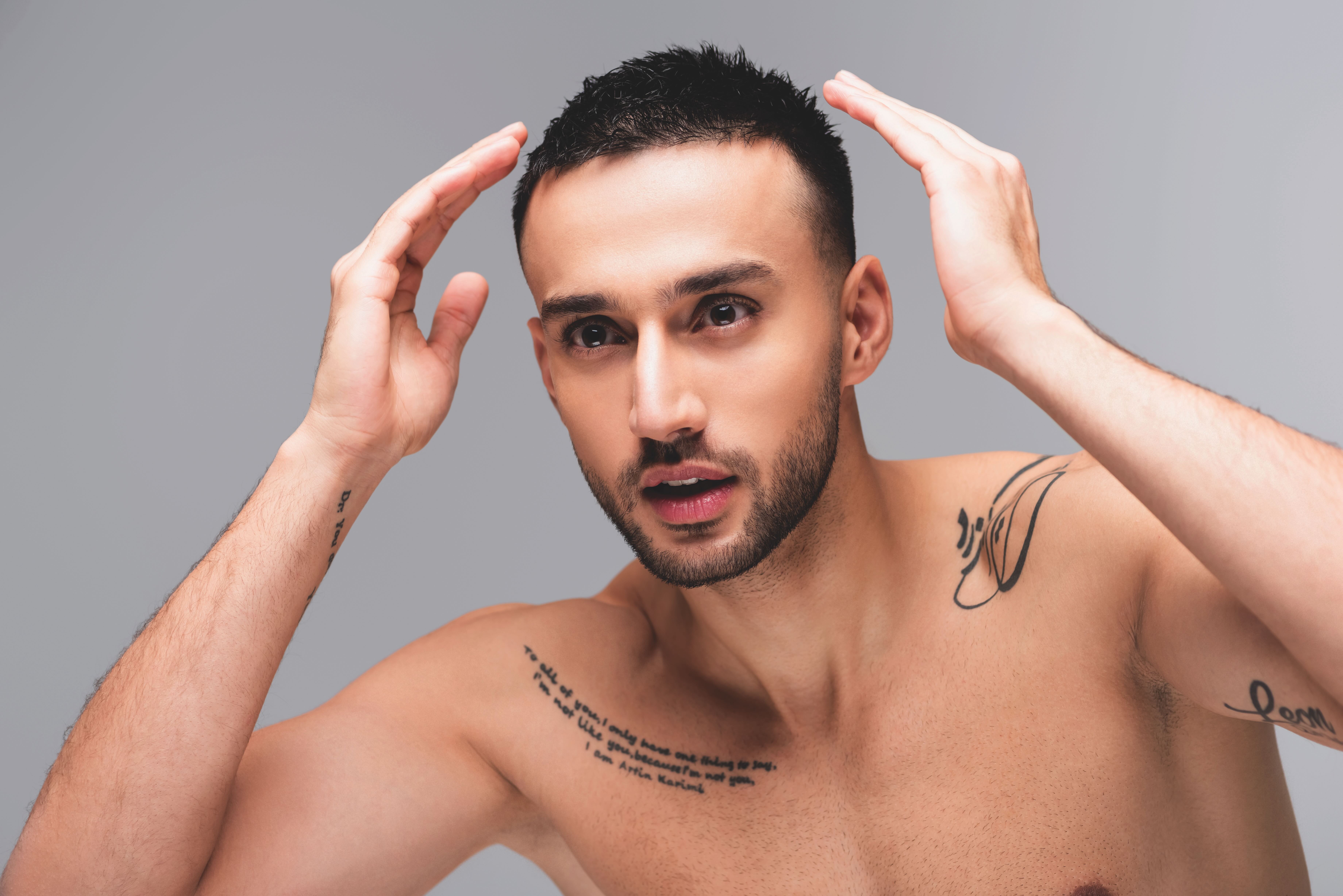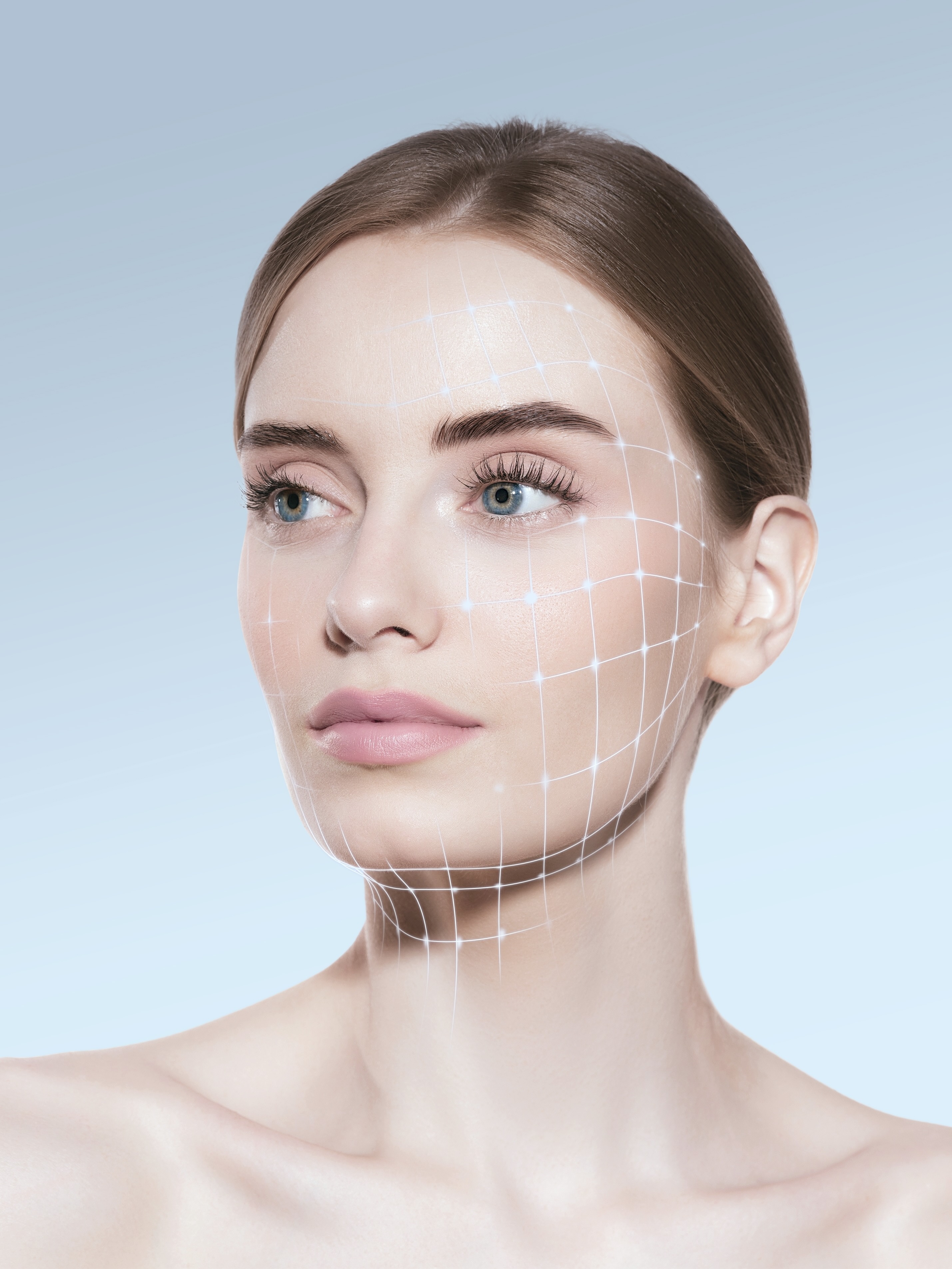
A recent survey of BAAPS members found that 15% of practitioners have seen patients arrive for consultations with AI-generated images of themselves, creating unrealistic expectations of what can be achieved through cosmetic surgery.
The British Association of Plastic Surgery (BAAPS) has warned about the growing influence of artificial intelligence on cosmetic surgery expectations.
What is an “AI face”
The latest trend, dubbed the “AI face”, has sparked concern among surgeons, who have reported an increase in patients using AI-generated images to visualise their desired aesthetic outcomes.
As AI advances, patients believe that the generated images of themselves are an aspirational and achievable version of themselves.
Nora Nugent, president of BAAPS, shares her concern surrounding the influx of AI-generated expectations, stating, “The fact that 15% of our members surveyed have already encountered this issue is concerning, particularly given how quickly AI has become embedded in everyday life. I would expect this to become more common rather than less common.”
This has created a new problem for aesthetic professionals. Nugent explains how these AI-generated images are creating unrealistic expectations as a reference point for surgical goals.
“It can be very difficult to explain that surgery cannot simply reproduce every change that an algorithm has made to a photograph. We can improve and enhance features, but we cannot rewrite anatomy or guarantee a digitally perfect outcome,” she explains.

The importance of an in-depth consultation
BAAPS says the findings underline the importance of a thorough consultation with a properly qualified plastic surgeon before deciding to undergo cosmetic surgery.
An in-depth consultation should discuss;
-
Patient medical history
-
Assess for signs of body dysmorphic disorder (BDD)
-
What a patient hopes to achieve
-
Assess whether the expectations are realistic
-
Explain the potential benefits and limitations of surgery
-
Discuss suitable treatment options and alternatives
-
Allow time for the patient to ask questions
“AI can create an image without having to consider the individual behind it, their anatomy, their medical history, how they will heal, or how they will age. A plastic surgeon must consider those things. The aim should never be to turn a real person into an AI-generated image; it should be to understand what that individual wants and establish what can safely and realistically be achieved,” says Nugent.
The Association has stressed that patients should share the original images with their surgeon, rather than assuming that the AI imagery is representative of surgical outcomes. They also emphasise that patients should not feel pressured to undergo surgery simply because an AI tool has suggested or visualised a particular change.