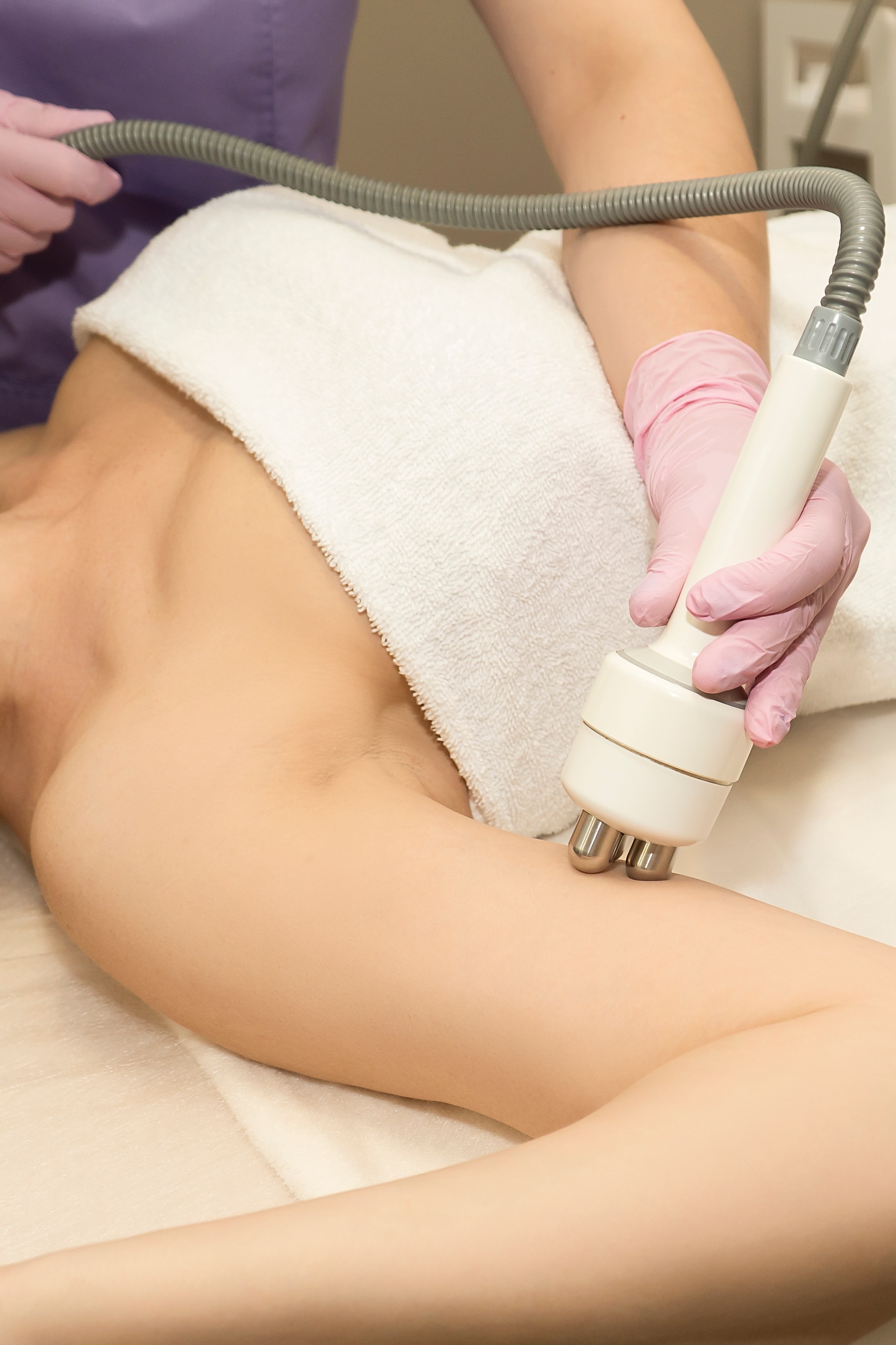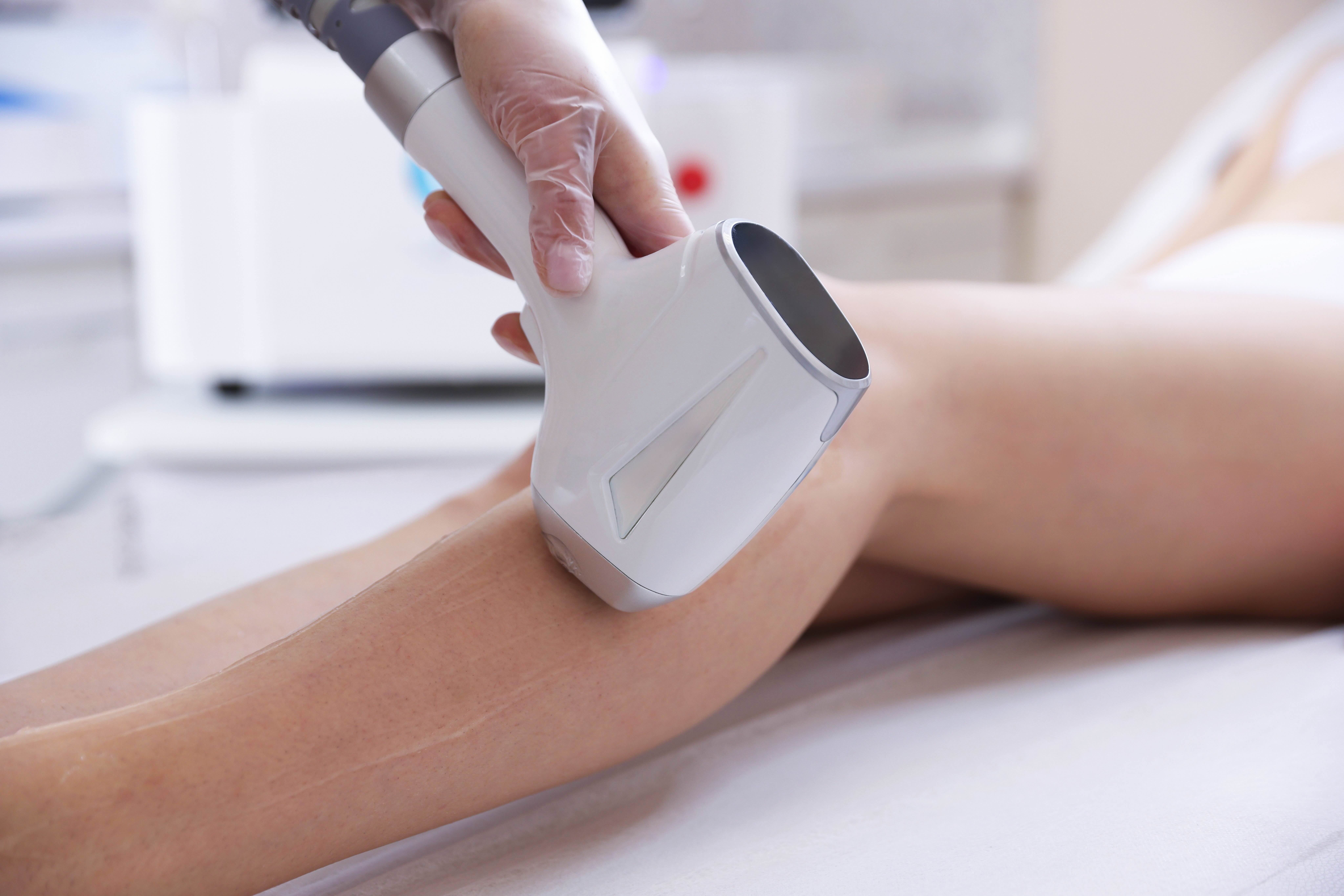
Laser hair removal can be an effective way to manage unwanted hair growth associated with Polyendocrine Metabolic Ovarian Syndrome (PMOS), formerly known as PCOS. However, hormonal changes can make PMOS-related hair growth more persistent and mean standard laser hair removal treatment plans need to be adapted.
Elevated androgen levels, including testosterone and DHEAS, can stimulate darker, thicker hair growth on areas such as the face, chest and lower back. Unlike typical hair growth patterns, new hairs can continue to appear between laser sessions, making regrowth harder to manage and often requiring a longer-term approach.
So, how does PMOS affect laser hair removal, how many sessions might be needed, and what should clients look for when choosing a clinic? Shireen Forster, founder of Laser Me Out, explains everything you need to know about treating hormonally influenced hair growth.

What results can PMOS clients realistically expect from laser hair removal?
The good news is that women with PMOS still see great results from laser hair removal, with the right clinic and specialist support. It just helps to think of it as long-term hair management rather than a quick fix.
The goal is to make regrowth finer and far less noticeable over time, while accepting that hormones may keep influencing new growth along the way. Because of that ongoing hormonal influence, women with PMOS may need more sessions overall to get on top of visible growth before settling into a maintenance rhythm. This may include occasional top-up sessions as hair growth becomes slower and more predictable.
What should PMOS clients know before starting laser hair removal treatment?
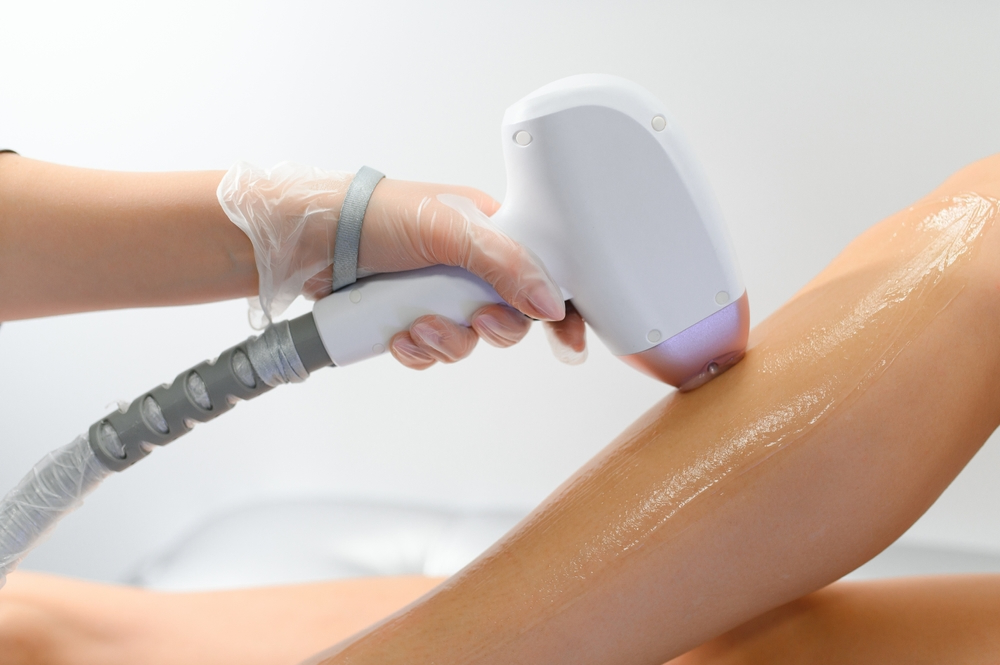
Laser hair removal works best on pigmented hairs at the right stage of their growth cycle, so results build gradually over several sessions rather than appearing overnight. That's true for everyone, but it's especially worth knowing if you have PMOS, where new hairs can keep entering that cycle along the way.
Before booking, it's worth letting your laser clinic know about your PMOS diagnosis. This helps them set realistic expectations and build the right treatment plan for you that accounts for hormonally influenced hair growth.
At Laser Me Out, we understand that maintenance can be part of the journey for women with PMOS. That is why we created a PMOS-specific membership package with unlimited sessions so you can book the support you need anytime, without worrying about paying for each individual session. It's a simple way to stay on top of regrowth without the mental load of planning ahead, and it often works out more affordable in the long run too.
If you do have questions about managing PMOS itself, it is important to speak to your GP, who can assess your lifestyle and advise whether medication or a referral to a specialist may be appropriate.

What should PMOS clients expect from a good laser hair removal clinic?
A good clinic should understand that PMOS-related hair growth needs more than a standard treatment plan. They should be upfront about why results might take a bit longer, why maintenance may come into play and how your treatment plan can be adjusted as your hair responds over time.
Technology matters too, especially when treatment covers more sessions or larger areas. Advanced systems like Soprano Titanium use multiple wavelengths to reach hair at different depths, and built-in cooling helps keep sessions more comfortable along the way. Just as important, your settings shouldn't be identical every visit. Instead, they should be tailored to your hair type, skin tone and how your skin is responding as treatment progresses.
To support smoother regrowth between sessions, opt for a clinic that incorporates gentle dry brushing before each laser appointment. This can help remove surface build-up and reduce the chance of hairs becoming trapped beneath the skin as they shed and grow through.
For women with PMOS, the goal isn't just finishing a course of sessions; it's learning to manage regrowth over time. That might mean talking through follow-up appointments or membership options with unlimited sessions, so ongoing treatment feels easier to stick with rather than something to keep booking one session at a time.