Originally posted on Professional Beauty: 9 in 10 people report skin quality concerns, global survey finds
A global survey of more than 11,000 people has found that skin quality concerns are widespread, with fine lines, dryness and dullness among the most commonly reported issues
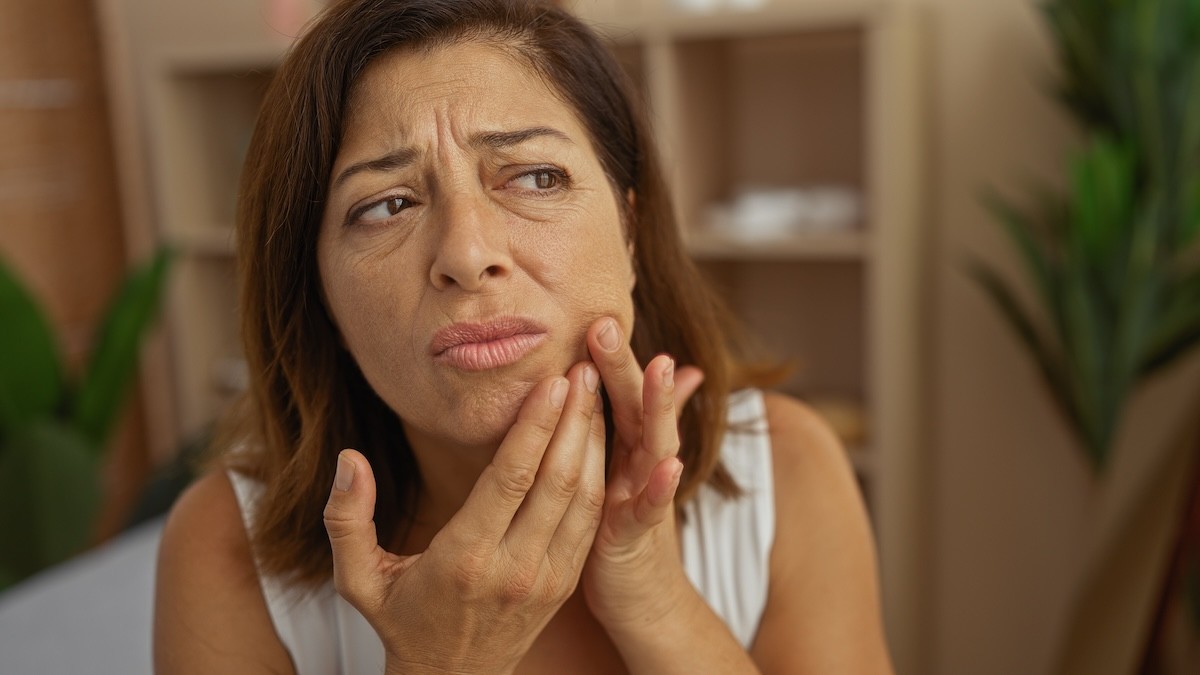
Nine in 10 people experience concerns about the quality of their skin, according to a global survey commissioned by dermatology company Galderma.
The research surveyed more than 11,000 people across 11 countries in Europe, Asia and the Americas, including the UK, France, Germany, Italy, Canada, the US, Brazil, China, Korea, Thailand and India.
Respondents reported experiencing an average of two skin quality concerns during the previous month, with fine lines and wrinkles, dry skin and dull skin emerging as the most common issues.
The findings also suggest that skin quality can affect more than appearance, with 85% of respondents saying it has an impact on their quality of life.
More than one in three reported feeling self-conscious, insecure or anxious because of poor skin quality.
What are the most common skin quality concerns?
Fine lines and wrinkles were reported by 41% of respondents, followed by dry skin at 40% and dull skin at 37%.
Age spots, oily skin, decreased firmness and enlarged pores were also identified as notable concerns.
Although the face was the area most frequently affected, respondents also reported concerns relating to the neck, legs and upper arms.
Scarring, including acne scarring, was rated as the most bothersome skin quality concern, followed by fine lines and wrinkles.
The survey defines skin quality as how the skin looks, feels and functions from day to day. This includes factors such as hydration, elasticity, smoothness, radiance, firmness and tone.
Respondents said the attributes they associated most strongly with good skin quality were smooth, hydrated and glowing skin.
Skin quality concerns vary by age, lifestyle and location
The findings indicate that skin quality concerns can differ according to a person’s age, lifestyle, environment and location.
People living in urban areas were more likely to report concerns including enlarged pores, oily skin and reduced firmness than those living in rural locations.
The accompanying report also highlights regional differences. Enlarged pores were reported by 42% of respondents in Asia, compared with between 20% and 25% in other regions.
Dry skin affected 44% of respondents in North America and Asia, compared with 38% in Europe and 27% in Latin America.
In Europe, the most commonly reported concerns were dry skin, lines and wrinkles, dull skin and oily skin.
The report says factors including sun exposure, stress, diet, pollution and lack of sleep can influence skin quality. Hormonal changes during life stages such as menopause may also affect dryness, firmness and the appearance of lines and wrinkles.

Skin quality affects confidence and emotional wellbeing
The survey found that 85% of respondents believed their skin quality affected their quality of life.
More than a third said skin concerns had made them feel self-conscious, insecure or anxious, suggesting that the impact can extend to emotional wellbeing and how people feel about their appearance.
Bill Andriopoulos, head of global medical affairs at Galderma, said, “Our skin evolves over time, influenced by both age and external factors. At Galderma, we don’t believe in one-size-fits-all solutions, we strive to be a trusted partner to people throughout their skin quality journey by offering comprehensive solutions to meet their diverse and evolving needs.
“This commitment begins with truly understanding these needs, which is why we conducted the world’s most extensive profiling survey to date.”
The research also suggests that younger adults place particular importance on skin quality.
Around 70% of respondents aged between 18 and 34 rated skin quality as eight out of 10 in importance, while the average age at which people first took steps to improve the skin quality of their face was 26.
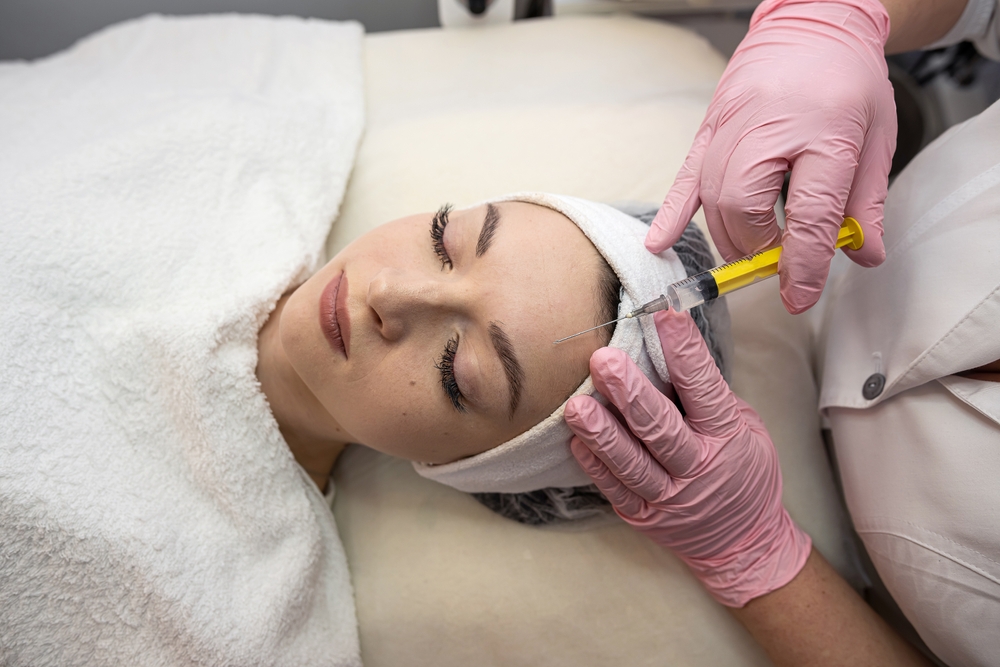
The survey included questions about treatments used for common skin concerns. Respondents who had received hyaluronic acid injectable treatments reported high levels of satisfaction for lines and wrinkles, dry skin and dull skin. However, the findings reflect respondents’ reported experiences and do not establish that one treatment approach will be suitable for every person or concern.
Galderma-backed skin assessment scale developed for clinicians
Alongside the consumer survey, Galderma supported a panel of international experts in developing the Skin Quality Assessment Scale.
The tool is intended to help healthcare professionals assess nine aspects of skin quality across four areas: texture, discolouration, firmness and hydro-lipid balance.
It grades concerns including pores, lines, scars, redness, pigmentation, dullness, laxity, oiliness and dryness as none, mild, moderate or severe.
The scale was developed in response to separate research among clinicians, in which almost two thirds said they did not use a formal tool to assess skin quality. A total of 81% believed a simple and holistic assessment method was missing from clinical practice.
Following its development, all participating clinicians agreed that the scale supported a holistic understanding of skin quality, while 98% said it could help guide treatment planning.
Dr Christoph Martschin, a dermatologist based in Lisbon, Portugal, said, “What stood out from these survey insights was not just how common skin quality concerns are, but how they can differ based on age, lifestyle and environment. As clinicians, we see every day how challenging it can be to translate this complexity into meaningful, personalized care.
“That’s why I was proud to collaborate in the development of the Skin Quality Assessment Scale, an accessible, practical tool to help healthcare professionals and patients work together to create treatment plans that reflect their needs and how these evolve over time.”
For professional skin therapists, the wider findings underline the importance of carrying out detailed consultations, considering the client’s lifestyle and changing needs, managing expectations and referring to an appropriate healthcare professional if necessary.