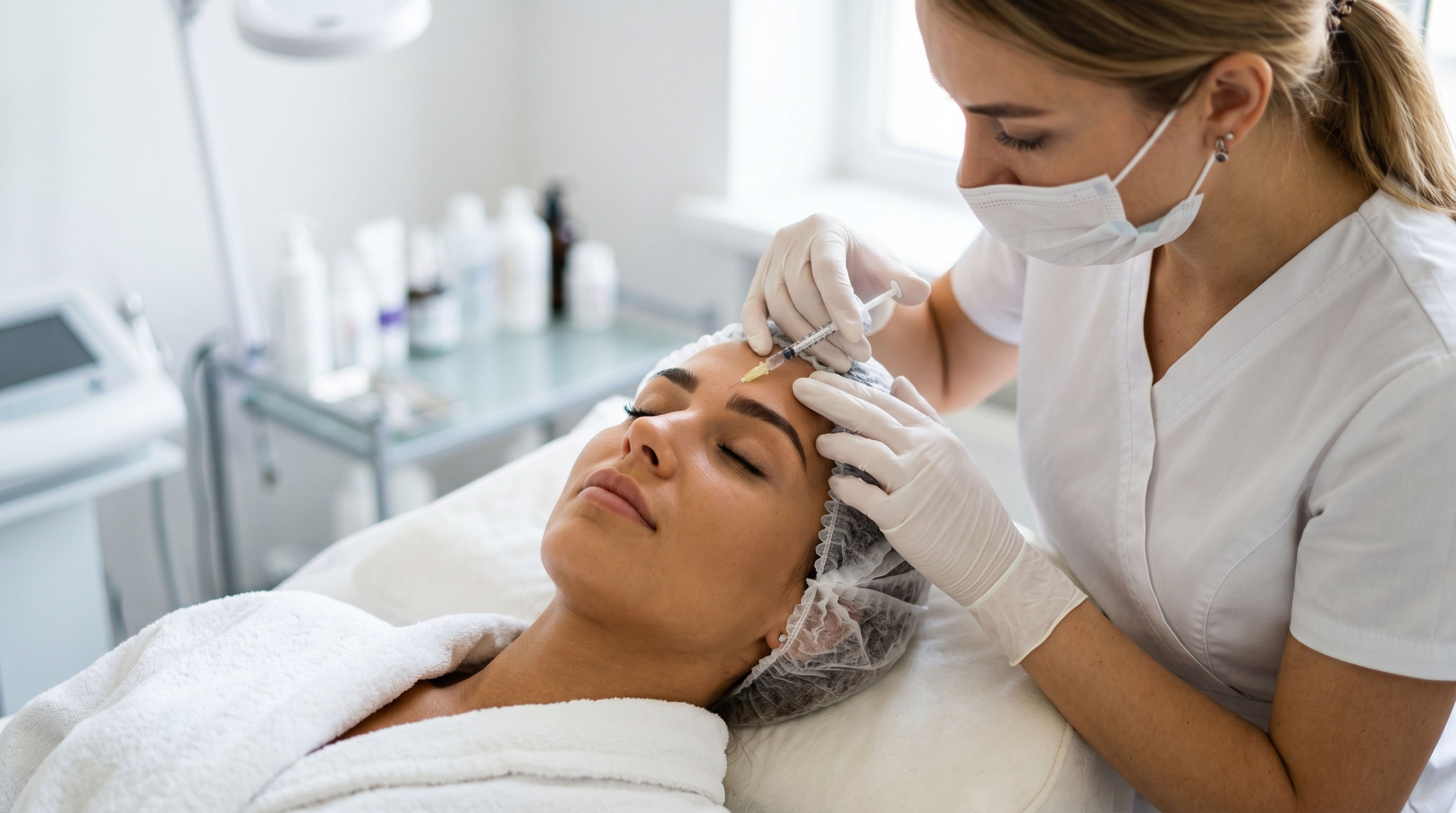
Originally posted on Professional Beauty: Body microneedling: how to treat stretch marks, scars and skin texture
Already offering microneedling for the face? Taking the treatment onto the body could help you address concerns including stretch marks, scars and uneven skin texture while making more of a device you already own
For many advanced skin practitioners, microneedling is hardly new. What is changing, however, is where clients want to be treated.
“Microneedling has been a staple in our clinic for the past eight years,” says Elle Winslow, co-founder of Winslow Skincare and head of training at Winslow Education.
But, she says, interest has “exploded” over the past three years, fuelled partly by social media and a wider appetite for treatments that work with the skin’s natural processes.
William Foley, advanced aesthetician and Professional Beauty Awards 2025 Therapist of the Year, has noticed a similar shift. “We’re seeing increasing demand as clients become more aware that skin health goes far beyond the face,” he says.
For practitioners already offering facial microneedling, that presents an opportunity: the device sitting in your treatment room could potentially be used to address an entirely different set of client concerns.
What can body microneedling be used for?
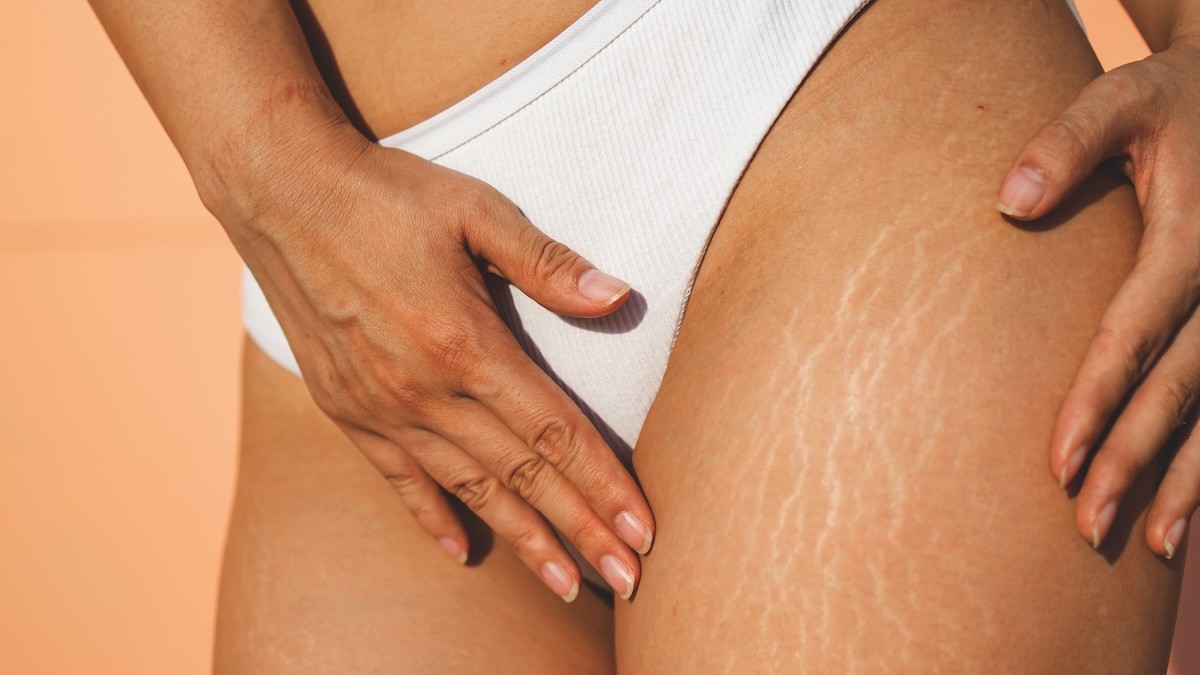
Stretch marks are an obvious starting point. Foley says they remain one of the most common body concerns he sees, alongside surgical and traumatic scars, acne scarring and changes in skin texture.
He is also seeing increasing interest in crepey skin on the upper arms, abdomen, thighs and knees.
Nadia Aminian, senior aesthetician at Taktouk Clinic and Aesthetic Therapist of the Year at the Aesthetic Medicine Awards 2026, particularly recommends considering the age and nature of the concern.
“Red active stretch marks, scarring that has occurred in the last six months and pigmentation marks post breakout on the back are all great areas and concerns to treat with microneedling,” she says.
At Winslow Skincare, C-section scars are the most requested body microneedling treatment, followed by stretch marks. Winslow believes, however, that many potential clients simply don't know these treatments exist.
“So often, clients don’t even know that we offer body treatments or that they can actually have a treatment for a scar, stretch mark or section of loose skin that has bothered them for years,” she says.
Rather than waiting for clients to request body microneedling, Foley recommends simply asking existing facial clients whether they have concerns elsewhere, such as scars, stretch marks or skin texture.
“A client who trusts you with facial microneedling may also have concerns about stretch marks, scars, or body skin quality, but often they simply don’t realise those treatments are available,” he explains.
How to choose suitable clients for body microneedling
Expanding your menu doesn't mean microneedling is appropriate for every body concern – or every patient.
Aminian assesses medical history and medication alongside barrier function, skin thickness, laxity and the severity of the concern. Lifestyle, sun exposure and the client's ability to follow aftercare also need consideration.
Foley advises looking at the age and type of scar or stretch mark, healing capacity and Fitzpatrick skin type, as well as any predisposition to abnormal scarring or pigmentation.
Active skin disease, inflamed tissue, unstable scars or suspected keloid tendency should prompt further consideration.
Crucially, practitioners need to recognise when microneedling simply isn't going to deliver what a client wants. “Over-promising with the results of what it can actually do” is one of the biggest mistakes Aminian sees.
“For example, if someone has severe laxity of the skin, you are not going to microneedle that area because the results will be hardly anything.”
Dr Ahmed El Muntasar, GP, aesthetics doctor and founder of The Aesthetics Doctor clinics, similarly tells clients that treatment is about improving rather than erasing concerns.
“Stretch marks won’t disappear, scars won’t become invisible and loose skin won’t tighten to the same degree as surgery,” he says.
“However, we can often make these concerns significantly less noticeable by improving the texture, thickness and overall skin quality.”
Why body microneedling protocols differ from facial treatments
Already being confident with facial microneedling doesn't mean practitioners should simply transfer the same protocol to the stomach or thighs.
“Body skin varies significantly depending on the area being treated,” says Foley. “Thickness, vascularity, mobility and healing capacity differ considerably from facial tissue, so treatment planning should never simply be copied from facial protocols.”
Larger areas also bring practical considerations including treatment time, comfort, cartridge usage and recovery, while friction from clothing, exercise, perspiration, heat and UV exposure can affect aftercare.
There are differences of opinion around depth, too, highlighting why practitioners should follow their training, insurer requirements and the protocols for their particular device rather than relying on a universal rule.
While some practitioners may work deeper on thicker body skin, Foley cautions against assuming that body treatments automatically need to be more aggressive.
“Needle depth doesn’t determine quality,” he says. “The best outcomes come from understanding tissue biology, selecting the correct protocol and respecting the body’s healing response.”
El Muntasar also points out that healing can be slower on the body, meaning clients may require longer treatment journeys before seeing significant improvements.
Photography can, therefore, be particularly valuable. Winslow recommends photographing not only results but the healing process, so clients understand what to expect.
She also suggests completing three to five case studies before commercially launching a new body service to build both practitioner experience and a portfolio of realistic results.
Do you need additional training for body microneedling?
Owning a suitable device and holding a facial microneedling qualification shouldn't be taken as automatic permission to start treating every area of the body.
Winslow advises practitioners to speak directly to their insurer about the areas and depths covered by their individual qualifications and policy.
More importantly, she argues, being technically qualified doesn't necessarily make somebody competent to perform a particular protocol.
“The importance of understanding the anatomy, the different thickness of skin, causing the right kind of trauma – not just trauma – wound healing, collagen cascade, and so much more is key to performing safe and effective microneedling on the body,” she says.
Foley agrees, “My first advice would be to invest in education before marketing.” That means undertaking appropriate body-specific education where needed, reviewing insurance and becoming thoroughly familiar with the manufacturer's protocols for your particular device before adding treatments to the menu.
How body microneedling could create an additional revenue stream
Once you're trained, competent and insured, body microneedling can offer something particularly attractive to a salon or clinic owner: another potential revenue stream without necessarily investing in an entirely new technology.
“As therapists and business owners, we are leaving money on the table and our machines and devices underutilised by not performing more body treatments,” says Winslow.
Rather than adding a vague “body microneedling” option to the menu, Foley recommends developing pathways around the concerns clients actually understand – for example, stretch mark treatments or suitable scar programmes.
Treatment courses can incorporate consultation, photography, treatment planning, homecare and progress reviews, reflecting the fact that regenerative results develop over time rather than during a single appointment.
Pricing also needs careful consideration. Winslow recommends using the price of your facial treatment as a starting point before accounting for the size of the treatment area, appointment length and consumables required. Assuming clients won't pay as much to treat the body can leave practitioners undervaluing both their time and expertise.
Then, show clients what's possible. “Education consistently outperforms promotion,” says Foley. Marketing and social media content explaining who body microneedling is suitable for, how the skin regenerates and what clients can realistically expect can help generate demand.
Winslow agrees that imagery is crucial, recommending clinics create photographs and videos featuring real bodies and clearly showing areas being treated.
Simply seeing a microneedling pen being used on a scar or abdomen, she says, can prompt an existing client to ask: “I didn’t know you did body?”
And that may be the biggest opportunity of all. Rather than finding an entirely new audience for another device, body microneedling gives practitioners the chance to offer additional services to clients who already trust them.
As Foley puts it, “Your microneedling device becomes significantly more profitable when it forms part of a complete regenerative treatment journey rather than functioning as a standalone procedure.”