

Fuelled by TikTok and Instagram, there’s a lot of discussion around how lifestyle and daily habits affect our skin and facial structure. From smoking to sleep positions, and now even how we drink, many small actions are being called into question for their potential role in accelerating signs of ageing.
Recent search analysis by The Derma Lab reveals an increase in searches for the “side straw” beauty hack, amid growing concerns about daily habits contributing to lip lines and signs of ageing.
What is the ‘side straw’ trend?
The rise of the viral ‘side straw’ beauty hack relates to the social media discussion around whether drinking from a straw positioned at the side of the mouth, rather than the centre, reduces lip puckering which contributes to fine lines over time.
The data revealed that searches for “side straw” have reached around 72,000 in the past month, with interest rising 38% over the past quarter.
Social media has fuelled this discussion, contributing to the dialogue of the many small daily habits that could impact people’s skin over time.
While repetitive lip movements can contribute to fine lines over time, experts say this habit plays only a minor role compared to factors like sun exposure, genetics, and lifestyle.
Does drinking from a straw cause wrinkles?
Independent nurse prescriber, founder and clinical director of The Clinic by La Ross, Kate Monteith-Ross explains: “Habitual behaviours absolutely play a role in how we age, but it’s important to keep a much wider perspective. Repetitive muscle movements – whether that’s pursing the lips when using a straw, smoking, talking, or even expressive facial habits – can contribute to the formation of dynamic lines over time.”
Kate emphasises that despite this, movement is completely normal, “These are just one piece of a much bigger puzzle. Intrinsic ageing, UV exposure, genetics, lifestyle habits, rapid weight loss, and collagen loss are far more significant drivers.”
“I always caution patients against becoming overly fixated on a single habit – ageing is multifactorial, and we must treat it as such.”
Does sleeping position cause wrinkles?
The side-straw phenomenon is not the only daily habit social media has highlighted to be an accelerator of skin ageing.
Turns out your sleeping position is, too.
“Sleep position can contribute to what we call 'sleep lines,' which are caused by prolonged compression of the skin against a pillow or a distorted position when we sleep,” explains Kate.
“Over time, particularly as collagen and elasticity decline, these lines can become more persistent. Side sleeping absolutely contributes to asymmetry in some patients, especially in the mid and lower face, and we also see it a lot in the decolletage for women.”
However, your sleep position isn’t the biggest concern when it comes to your skin and sleep habits. “Sleep quality is far more important for overall skin health than trying to rigidly control position,” shares Kate.
“Poor sleep will accelerate ageing far more than sleeping on your side.”
“It is important to draw attention to a few key factors: everyone is different. If someone has breathing issues, then sleeping on their side would be more beneficial, as it keeps the airways open and is often recommended for those with respiratory issues. Left side sleeping is often recommended to improve circulation and reduce acid reflux as it keeps the stomach below the oesophagus anatomically.”
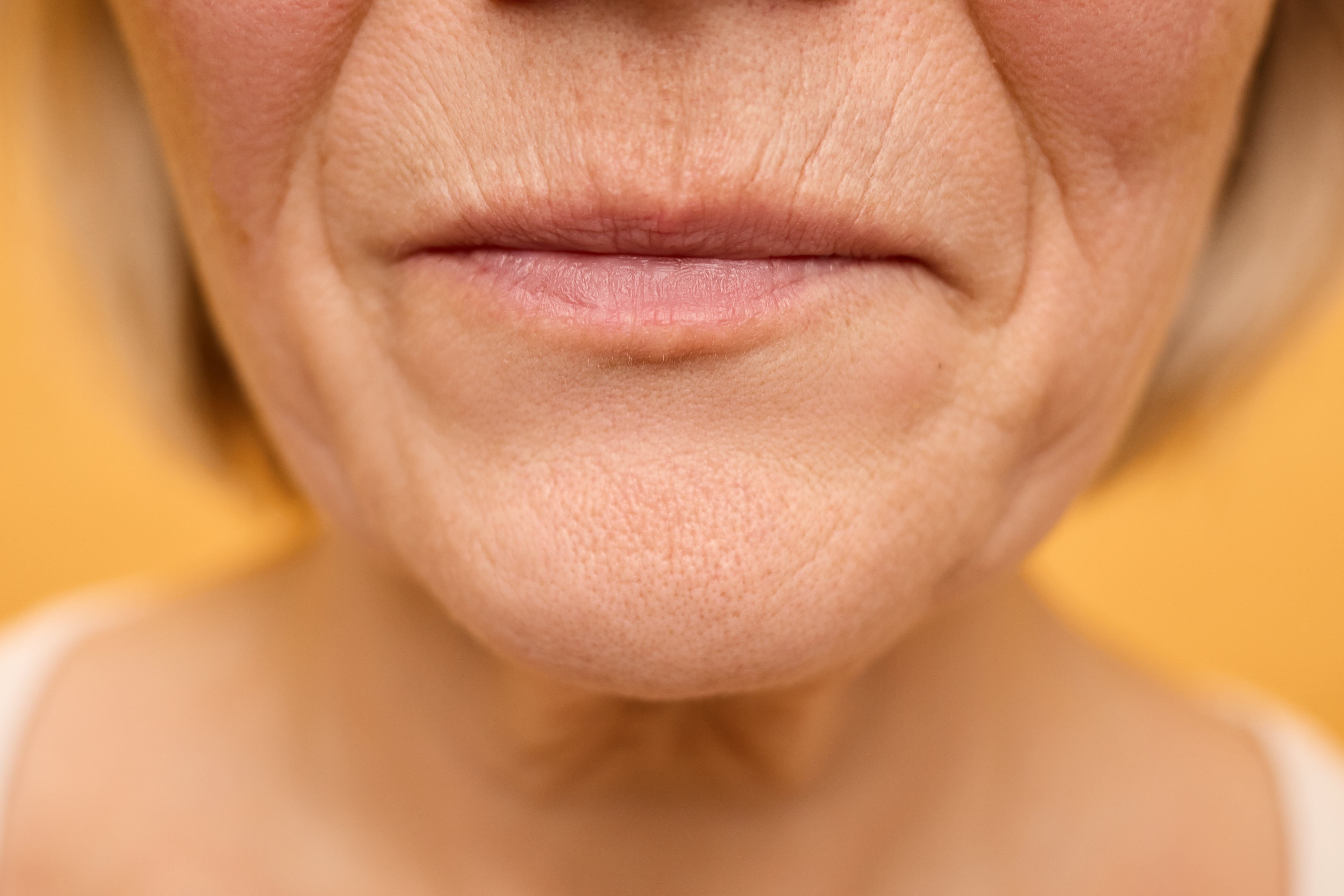
Do daily habits affect skin ageing?
“There is a growing culture of hyper-awareness around ageing, particularly driven by social media, and in fact, the data tells us time and time again about the harmful impact of social media on our perception of beauty, and the rise of ‘TikTok Medical advice’ is scary.”
“Trends like 'side straws' can amplify the idea that normal, everyday behaviours are harmful, which can create unnecessary anxiety.
“This is where education matters. While there is a kernel of truth – repetitive movements can contribute to lines – the scale of the problem is often overstated.”
Taking a step back from trivial TikTok skin care advice, Kate explains that there are daily habits which do contribute to ageing skin and can be avoided. “It’s important to focus on the habits that have a meaningful biological impact rather than getting caught up in smaller, often overhyped concerns.
“The biggest contributors I see clinically are unprotected sun exposure, which drives most of the premature ageing, alongside smoking or vaping, both of which significantly impair skin health and collagen integrity.
“Poor sleep and chronic stress also play a major role, affecting everything from repair processes to inflammation, while high sugar diets contribute to glycation, gradually weakening the skin’s structural proteins.”
The everyday habits that cause premature ageing – and how to help
“Search interest around things like sleep positions, facial movements, and now the ‘side straw’ technique reflects a wider shift towards preventative beauty habits and understanding how daily routines may affect the skin,” explains co-founder at The Derma Lab, Elizabeth Japal
For those who are mindful of their skin health, Kate recommends:
-
Consistent daily SPF use
-
Hydration
-
Medical-grade skincare to support collagen and barrier function
-
Avoidance of smoking and excessive alcohol
-
Good sleep hygiene
-
Stress management
“If someone is concerned about repetitive movements, small adjustments – like being mindful of excessive lip pursing – can help, but I never advocate for eliminating normal expressions. That’s neither realistic nor desirable,” continues Kate.
How to prevent wrinkles – preventative skincare and aesthetic solutions
From a treatment perspective, Kate focuses on supporting skin quality and structure.
“Energy-based devices (such as nitrogen plasma or microneedling) for dermal remodelling and building in regular LED Phototherapy is a great, holistic, and relaxing way of supercharging your skin and keeping it healthy.
“Neuromodulators in carefully selected cases to soften repetitive muscle activity. Skin boosters or regenerative treatments to improve hydration and elasticity.”
Topical anti-ageing treatments include
-
Retinoids, for collagen stimulation
-
Antioxidants (particularly vitamin C), for environmental protection
-
Broad-spectrum SPF daily
-
Barrier-supporting ingredients (ceramides, HA, peptides)
The goal is always long-term skin health, so consistency is the biggest goal, not chasing every individual line.
Kate Monteith-Ross
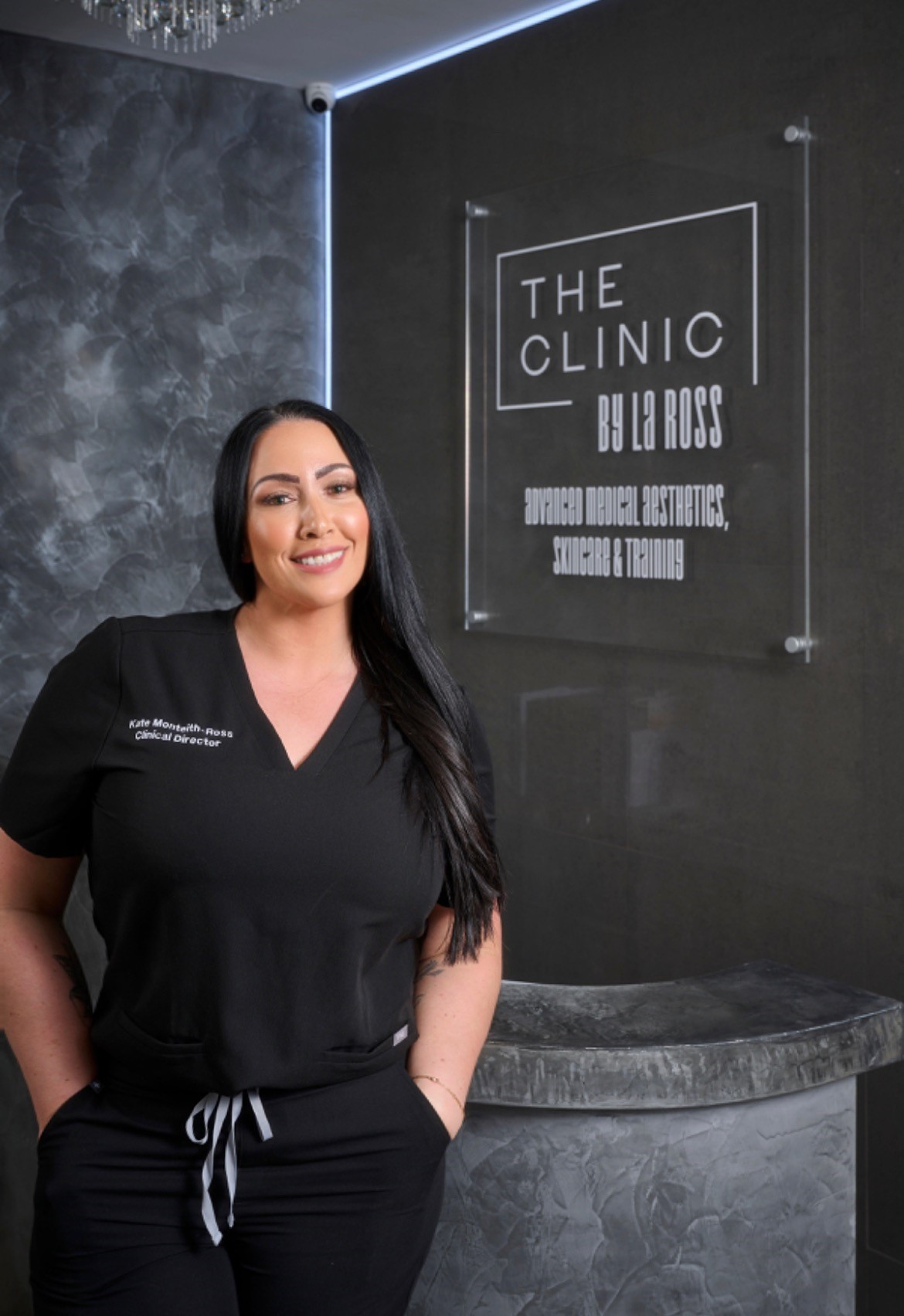
Kate Monteith-Ross is an independent nurse prescriber specialising in wound care and surgical patient care. She is the founder and clinical director of The Clinic by La Ross, urban training and is the co-founder of The Nurses Network. Monteith-Ross has a Bachelor’s degree, a Masters in Nursing, a Post Graduate Degree in Education and consequently her independent and supplementary prescribing qualification. Monteith-Ross specialises in evidence-informed, minimally invasive treatments that enhance natural skin quality and patient outcomes.
Daily habits that cause wrinkles and skin ageing – FAQs
Does drinking from a straw cause wrinkles?
Drinking from a straw can contribute slightly to wrinkles around the mouth due to repeated lip movements. However, it is not a major cause of skin ageing. Sun exposure, smoking, and collagen loss have a much greater impact on the development of fine lines.
Do daily habits cause skin ageing?
Yes, daily habits can accelerate skin ageing. Factors like unprotected sun exposure, poor sleep, smoking, stress, and diet all affect collagen production and skin repair, leading to wrinkles, dullness, and loss of elasticity over time.
What daily habits cause wrinkles the most?
The most common daily habits that cause wrinkles include; Sun exposure without SPF, smoking or vaping, poor sleep quality, high-sugar diets, chronic stress, and dehydration. These habits weaken collagen and speed up visible skin ageing.
Does sleeping position cause wrinkles?
Sleeping position can contribute to wrinkles, especially when sleeping on your side or stomach. Repeated pressure on the skin can create “sleep lines,” which may become permanent over time as collagen and elasticity decrease.
Can stress cause wrinkles and premature ageing?
Yes, chronic stress can accelerate wrinkles and premature ageing. Increased cortisol levels break down collagen, trigger inflammation, and impair the skin’s natural repair processes, leading to fine lines and uneven skin tone.
Does diet affect skin ageing?
Yes, diet plays a key role in skin ageing. High sugar intake can cause glycation, a process that damages collagen and elastin. A balanced diet rich in antioxidants, vitamins, and healthy fats helps maintain firmer, healthier-looking skin.
How can I prevent wrinkles naturally?
You can help prevent wrinkles naturally by; wearing broad-spectrum SPF daily, eating a nutrient-rich diet, staying hydrated, getting enough sleep, managing stress, using skincare with retinoids and antioxidants.
Should you stop using a straw to prevent wrinkles?
There is no need to stop using a straw completely. While repeated lip movements may contribute slightly to fine lines, the effect is minimal compared to major ageing factors like UV exposure, smoking, and overall lifestyle habits.
What causes wrinkles around the mouth the most?
Wrinkles around the mouth are mainly caused by sun exposure, smoking, collagen loss, and natural ageing. Repetitive movements like lip pursing can contribute, but they are a smaller factor compared to environmental and lifestyle influences.
Can you reverse wrinkles around the mouth?
Wrinkles around the mouth can be improved, but not completely reversed. Treatments like retinoids, chemical peels, microneedling, and laser therapies can reduce their appearance and improve skin texture over time.

.JPG)