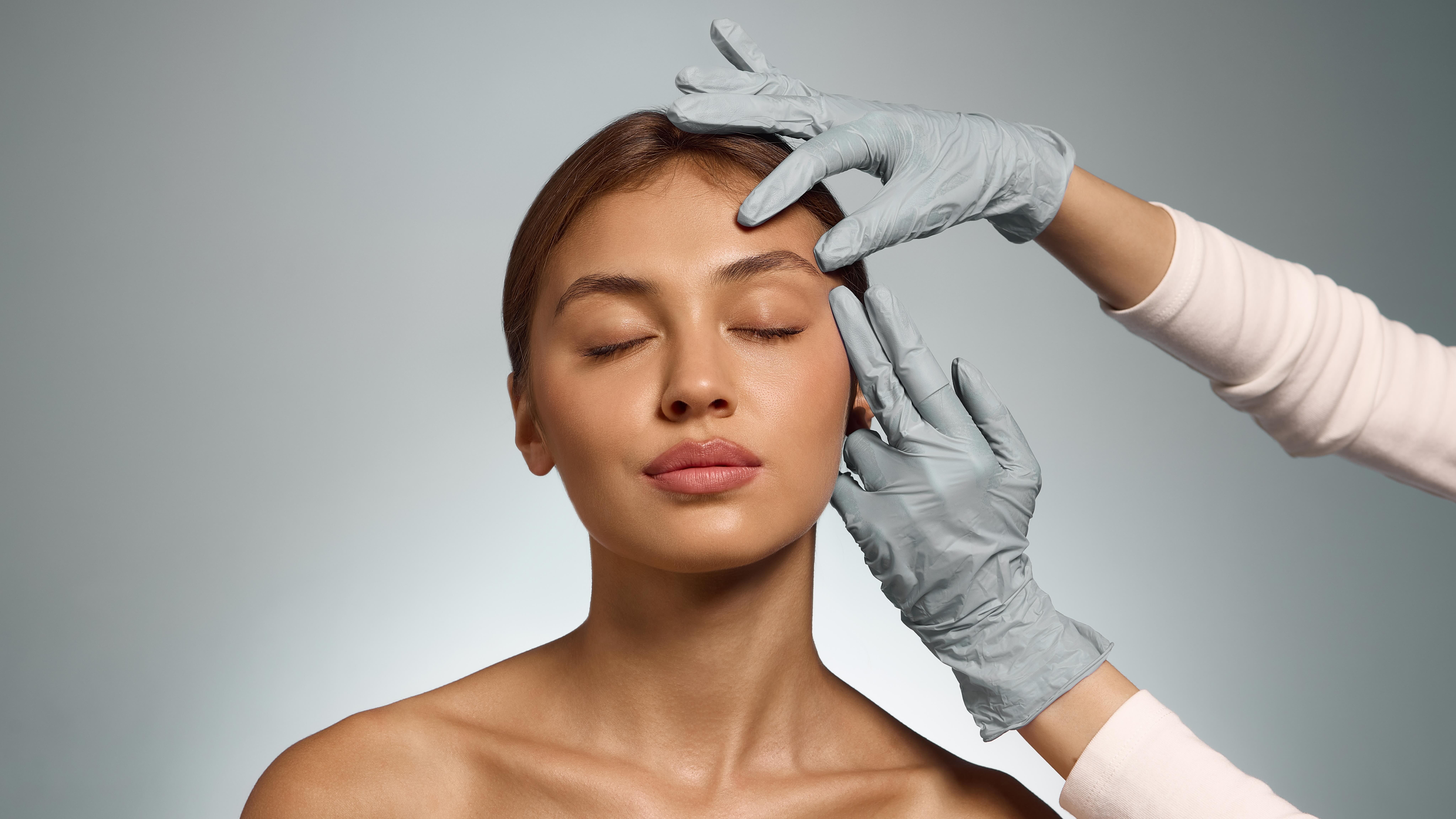
Dr Sabika Karim explores key ethical issues in the UK’s fast-growing non-surgical cosmetic sector, including lack of regulation, social media influence, patient vulnerability and safety standards.
Don't miss Dr Sabika Karim at the R.E.A.L summit at Aesthetic Medicine London 2026, and book your free tickets for her session, advanced Regenerative Aesthetic Medicine, on 9 May at 10am.
Registration for Aesthetic Medicine London and the R.E.A.L summit sessions are free, please book sessions for R.E.A.L summit in advance.
The UK aesthetic industry has grown rapidly over the past two decades, but rising demand for non-surgical cosmetic treatments has brought increasing ethical concerns around regulation, patient safety and professional standards.
Lack of regulation in the UK aesthetic industry
One of the most pressing concerns is the absence of stringent regulation. Unlike other areas of medicine, in England aesthetic procedures are often performed by individuals with little or no medical training.
Non-medical professionals, including beauty therapists, can legally administer treatments like dermal fillers without oversight, despite the risks of infection, vascular occlusions, and even blindness.
The ethical question remains: should non-medical practitioners be allowed to perform these procedures?
Additionally, any business can call itself a “clinic” without being registered with the Care Quality Commission (CQC) or having a medical lead. This lack of oversight means many aesthetic businesses operate without accountability, endangering patient safety. Mandatory licensing and training for all practitioners should be a priority to ensure ethical standards.
Patient vulnerability in aesthetic medicine
Aesthetic medicine exists in a grey area between healthcare and beauty. While it can boost self-esteem, it may also exploit vulnerable individuals, particularly those with body dysmorphic disorder (BDD) or low self-esteem.
It is troubling when patients seek repeated procedures or have unrealistic expectations that make them unsuitable candidates. We must screen for psychological vulnerabilities and refer at-risk patients to mental health specialists.
Over-promotion and the role of social media in aesthetics
The rise of social media has transformed the aesthetic industry, making treatments more acceptable and mainstream but has also contributed to unrealistic beauty standards. Many influencers and non-medical practitioners promote procedures irresponsibly, often ignoring advertising standards.
A major ethical breach is the illegal promotion of prescription-only medicines like botulinum toxin, which should only be prescribed after a consultation with a qualified medical professional.
As an aesthetic doctor, I have seen patients seeking treatments based on filtered or edited images, creating unrealistic expectations.
Ethical practitioners should ensure that patients make informed decisions and understand the expected results and the risks.
We must resist the temptation to exploit social media trends and instead focus on educating the public about responsible and safe aesthetic medicine.
Pricing and accessibility of aesthetic treatments
High-quality treatments by trained medical professionals are often expensive, leading many individuals to seek cheaper alternatives from unregulated practitioners.
This creates a two-tiered system where only the wealthy can afford safe, ethical treatments, while others take risks with unqualified injectors.
Some businesses also use persuasive marketing tactics, such as limited-time offers, encouraging impulsive decisions rather than patient-centred care.
A balance between accessibility and ethical medical practice must be maintained, possibly through government-led regulation of pricing and training standards.
Over-treatment and the “frozen face” culture
The pursuit of perfection has led to an over-treatment trend, where individuals seek excessive procedures, resulting in unnatural appearances.
As a doctor, I frequently encounter patients requesting treatments they do not need.
Ethical dilemmas arise when deciding whether to refuse such procedures or proceed, knowing they will likely go elsewhere.
While patient autonomy is important, educating patients about subtle, natural enhancements should be a priority.
Patients vs. clients: the medical duty of care
A key ethical distinction in the aesthetics industry is between a “patient” and a “client.” In the beauty industry, individuals are clients who choose treatments based on preference. However, in medical aesthetics, they are patients who rely on professional expertise for diagnosis, treatment, and safety.
As medical professionals, we have a duty of care that extends beyond customer satisfaction. Ethical practitioners must prioritise patient safety over commercial interests.
Practitioner qualifications transparency
One emerging ethical concern is the misrepresentation of qualifications within the aesthetic industry.
Some practitioners use the title “Dr” despite not being medical doctors, misleading patients into believing they are being treated by a physician.
For instance, individuals with PhDs in non-medical fields may market themselves as “Dr” without clarifying their actual credentials.
This lack of transparency can deceive patients into trusting providers who may not have the necessary medical expertise to provide treatments and handle complications safely.
Complications and accountability
Unlike the NHS, where clear structures exist for managing complications, private aesthetic clinics often operate independently. If a patient experiences a serious complication from a poorly administered treatment, they may struggle to receive proper aftercare.
Medical professionals frequently treat complications caused by others, assuming responsibility for prior errors. Despite this, as doctors, I feel we have a duty of care to patients in need, even when the situation is not of our making.
The ethics of treating young patients
The rise of social media has driven an increase in aesthetic treatment requests from younger individuals, many of whom have no medical need for intervention.
Treating young patients irresponsibly can contribute to body image issues and unnecessary medicalisation of natural ageing. Ethical doctors must educate younger patients about risks and promote self-acceptance rather than unnecessary enhancements.
The future of ethical aesthetic practice in the UK
The UK medical aesthetic industry faces significant ethical challenges. As an aesthetic doctor, I believe patient safety and well-being must always take precedence over commercial interests. While aesthetic medicine is a rewarding field, practitioners must navigate complex ethical dilemmas with transparency and responsibility to uphold the integrity of the industry.
I believe that ethical practitioners should always be upfront about their qualifications, ensuring patients are fully aware of their level of medical, dental or nursing training. We are better qualified to provide these treatments than the nail tech or hairdresser. Clear and honest communication about credentials helps build trust and allows patients to make informed choices about their treatments.
Dr Sabika Karim
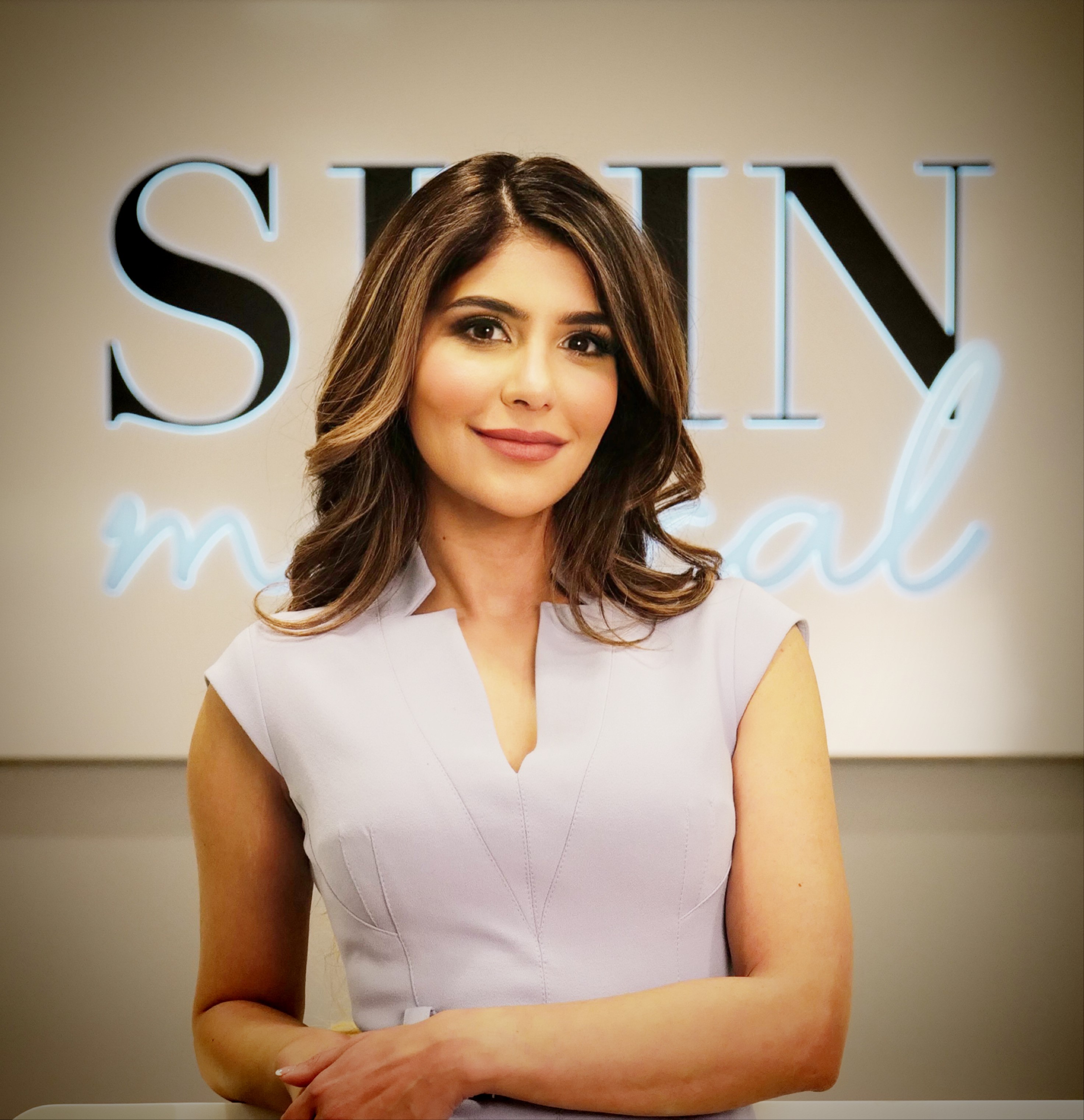
Dr Sabika Karim, founder of Skin Medical, is a multi-award-winning international educator who combines her NHS GP background with 19 years of aesthetic medical practice to deliver gold standard treatments to her patients at the clinic whilst raising industry standards by teaching and training her peers.
Conflict of Interest Statement – The views expressed are solely my own and have not been influenced or sponsored by any external parties.