
Opening an aesthetic clinic involves much more than choosing a location and treatment menu. From financial planning and staffing to patient experience and reputation, founders need to build the right infrastructure alongside their clinical offering.
Dr Jack Henderson and Dr Ben Taylor-Davies, co-founders of The Stockbridge Clinic in Edinburgh, share eight lessons from opening and growing their award-winning clinic.
Just over a year after opening its doors, The Stockbridge Clinic has been named Aesthetic Clinic of the Year – Scotland and Northern Ireland at the Aesthetic Medicine Awards 2026 and Highly Commended in the national category, so what do Dr Henderson and Dr Taylor-Davies attribute to their success?
1. What should you delegate when opening an aesthetic clinic?
The early days of a clinic demand that founders be everything at once: clinician, receptionist, bookkeeper and marketer. That is not a sustainable model and Dr Henderson is clear that recognising its limits early is one of the most important decisions they made.
“Keep control over the things that matter and delegate everything else to people who are more skilled in that area than you are,” he says. In practice, this means being honest about where your expertise genuinely lies and where bringing in someone else simply gets a better result.
2. How do you plan for aesthetic clinic growth?
One of the most common failure modes in early-stage clinic growth is a mismatch between demand and capacity. A clinic that builds a reputation quickly but cannot meet the enquiries it generates loses patients it may never win back. One that hires ahead of demand burns through cash and morale.
Dr Henderson’s approach is to plan deliberately for both scenarios. “Have a growth plan to expand services and your team at a pace that keeps up with your demand,” he says. “That means forecasting not just how many patients you expect next month, but what your team and service mix need to look like in six months and a year if things go well and being ready to act when the indicators tell you that moment has arrived.”
For The Stockbridge Clinic, this has meant a phased approach to both clinical offering and staff count, building capability in step with a patient base that has grown faster than most new clinics could reasonably have anticipated.
3. Why is reputation important when building an aesthetic clinic?
Reputation in aesthetic medicine is hard won and easily lost. Every decision – the product lines you stock, the practitioners you hire, the way you handle a concern when something does not go as planned – either builds or spends down the trust you have worked to earn.
“It’s important that the quality of your reputation matches the quality of your treatments,” Dr Taylor-Davies says. “Every shortcut has consequences that don’t show up immediately but always show up. In a field where patients are placing real trust in you, that trust is not something you can rebuild quickly once it’s gone.”

4. What business and financial systems does a new clinic need?
VAT registration, payroll, pension contributions, employment contracts, HMRC compliance – none of these things will ever appear on a patient’s experience of your clinic. But all of them will make your life significantly harder if they are not properly managed.
Dr Henderson speaks from experience. “These are all stressful things to learn for the first time as a business owner. But once the systems are up and running, everything moves ahead more easily. The invisible infrastructure is what allows everything visible to run smoothly.”
The investment here is real – in time, in accountancy fees, in the hours spent understanding how PAYE works before your first member of staff joins the payroll. But it is one of those areas where the cost of getting it right is always lower than the cost of putting it right later.
5. How do you build and manage an aesthetic clinic team?
As a clinic grows and more delegation occurs, the risk of things falling through the gaps increases. The assumption that something is being done because you asked for it, Dr Henderson notes, is one of the more reliable ways to find out it is not.
“Regular team meetings and structured appraisals are essential,” he says. “Staff can only improve if they are given feedback and direction. And they will only stay and grow with you if they feel genuinely invested in the business and if they see their role as a long-term career, not just a job.”
In the aesthetics sector, where patient experience depends so heavily on the quality of every human interaction, the internal culture of a clinic is crucial.
6.How do you build and manage an aesthetic clinic team?
The moment a prospective patient lands on your website is the moment their experience of your clinic begins. How quickly their enquiry is answered, how that booking confirmation reads, what greets them when they arrive - every touchpoint matters in the confidence they need to trust you with their care.
Dr Taylor-Davies takes this seriously. “Patients form an impression of your clinic long before they meet you. How quickly you respond to an enquiry, your social media, what the space feels like when they arrive – the atmosphere, the lighting, the small details – all of it communicates something about who you are.”
7. How do you identify your aesthetic clinic's target market?
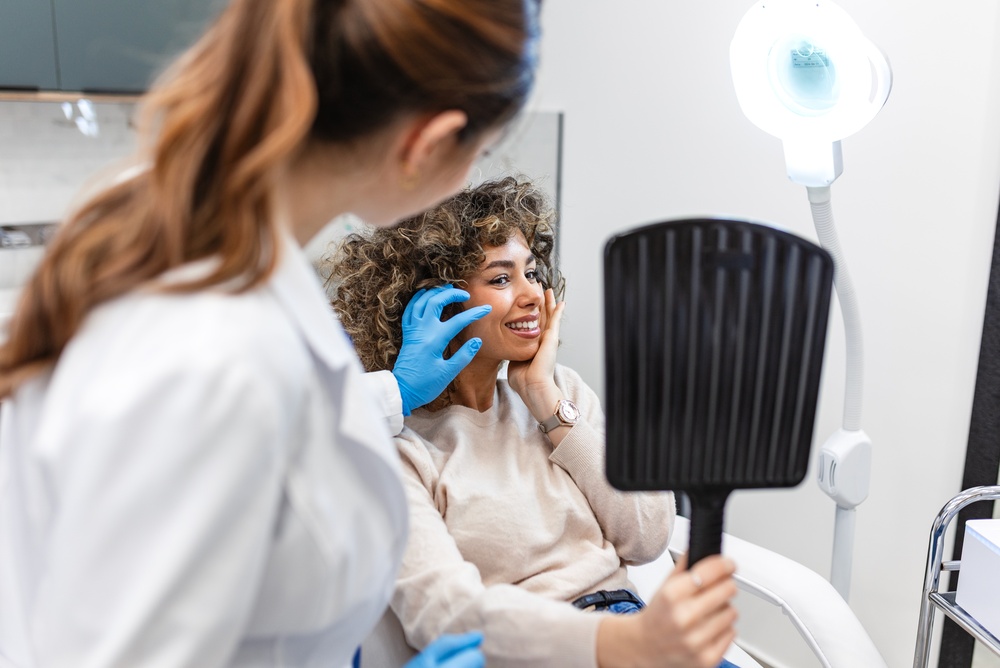
Not every aesthetic clinic serves the same patient. Understanding who your patients are, what they are looking for and what matters most to them is not just a marketing exercise.
For Dr Taylor-Davies, this has been central to how The Stockbridge Clinic has shaped its offering. “Understanding our market and the patients we treat in Edinburgh and wider Scotland has been crucial,” he says. “They value discretion and a highly personalised service. Recognising that informs every decision we make - how we communicate, how we design the space, how we approach each consultation.”
That understanding also shapes how the clinic thinks about the relationship itself. “Coming to a clinic for aesthetic treatment is a significant and personal decision,” Dr Taylor-Davies says. “We want every patient to feel that we understand that and that we honour the confidence they place in us. Building the kind of relationship where patients feel they could come to us with anything - that is what we are always working towards.”
8. How do you build patient loyalty and community?
The best clinic practices are not built on transactional relationships. They are built on the kind of ongoing trust that means a patient comes back not because they don’t have anywhere else to go, but because they actively would not want to. The Stockbridge Clinic has deliberately invested in the foundations of that kind of community. Regular clinic events give patients reasons to engage beyond their treatment appointments. A VIP recognition programme - not a paid membership but a genuine expression of appreciation for the clinic’s most loyal patients – signals that the relationship is valued, not just the booking.
Direct WhatsApp communication has been, Dr Taylor-Davies says, fundamental to making that relationship feel real. “Any query or concern can be answered within minutes. Patients can send images and voice notes and we can respond in real time - it removes the barriers at exactly the moments when patients need reassurance most. That availability matters and it tells patients the relationship doesn’t begin and end at the appointment.”
Patient feedback is something the clinic actively seeks, not as a formality but as a tool to shape and refine the patient experience. Visibly acting on it and making sure patients know their thoughts have been heard is part of building a relationship that feels reciprocal.
Dr Ben Taylor-Davies
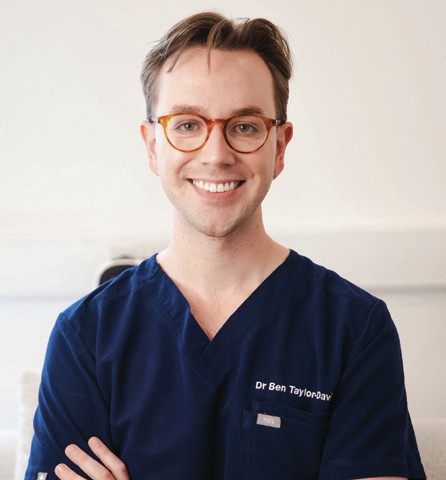
Dr Ben Taylor-Davies is an Aesthetic Doctor and Co-Founder and Clinical Director of The Stockbridge Clinic. Alongside his aesthetic practice, he works as an NHS Emergency Medicine Physician - experience that underpins his rigorous approach to patient safety. He serves on the Clinical Support Team of CMAC (Complications in Medical Aesthetics Collaborative), providing 24/7 complication management support to practitioners nationwide.
Dr Jack Henderson
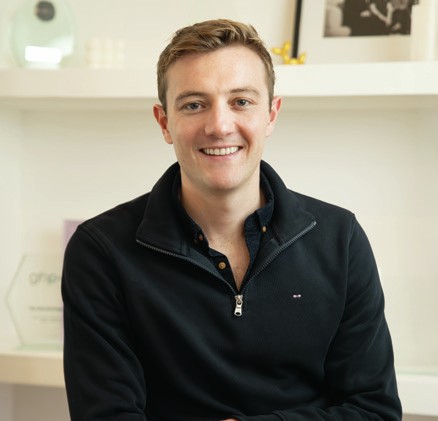
Dr Jack Henderson is Co-Founder and Managing Director of The Stockbridge Clinic, Edinburgh’s award-winning medical aesthetics practice. As an ophthalmologist, he draws on his medical background alongside expertise in regulation and bespoke health infrastructure to ensure the clinic operates to the highest clinical and operational standards.