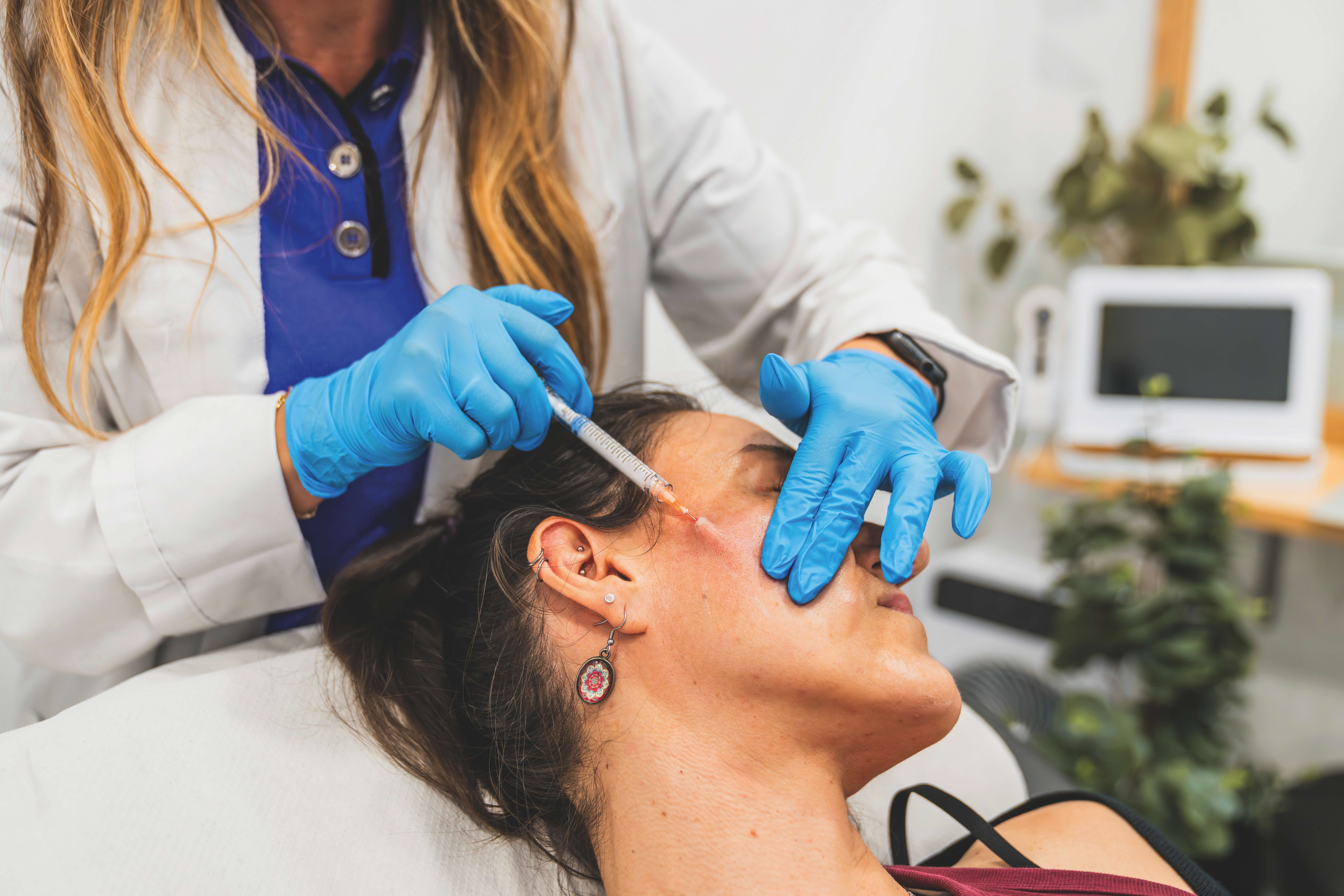
Dr Shirin Lakhani presents a regenerative, evidence-led perspective on combination treatments in aesthetic medicine, emphasising that true optimisation lies not in the number of procedures performed, but in the strategic selection and sequencing of biologically compatible modalities.
Don't miss Dr Shirin Lakhani's session "The role of sleep optimisation in longevity" on the 8 May at the R.E.A.L summit at Aesthetic Medicine London at 11:30am. Secure the session today and register for free.
Combination therapy is widely discussed, yet often poorly defined in clinical practice.
Effective protocols require a deep understanding of mechanisms of action, tissue biology, and patient variability.
Simply layering treatments or introducing complex protocols without scientific rationale risks suboptimal results. Instead, each modality must serve a clear, complementary purpose to enhance outcomes, improve tissue quality, reduce downtime, and increase patient satisfaction.
Understanding synergy in combination treatments
Successful combination treatments rely on synergy at a cellular and tissue level.
Modalities that induce controlled trauma can be paired with those that promote repair and regeneration, creating a balanced biological response.
However, not all combinations are beneficial. Treatments that interfere with each other’s mechanisms can reduce efficacy.
For example, therapies that depend on inflammation to trigger tissue repair should not be combined with anti-inflammatory interventions, as this suppresses the regenerative process.
Even in skincare, combining actives like retinol with certain moisturisers may reduce effectiveness by disrupting exfoliation and cellular turnover.
Patient and device considerations
A tailored approach is essential. Patients with photodamage, compromised skin quality, or structural changes often benefit most from combination therapy, as single modalities rarely address all concerns.
Strategic combinations can also shorten downtime by incorporating treatments that accelerate healing.
Device compatibility is equally important. For instance, using anti-inflammatory medications alongside platelet-rich plasma (PRP) can inhibit platelet function and significantly reduce treatment outcomes. Clinical decisions must always align with underlying biological processes.
Maintaining an evidence-based approach
Innovation in aesthetic medicine must be grounded in robust evidence.
Comprehensive literature reviews, combined with real-world clinical evaluations, are critical before integrating new treatments or technologies. Independent assessment ensures objectivity and allows clinicians to refine protocols based on consistent safety, efficacy, and reproducibility.
Regenerative medicine as the foundation
A regenerative-first approach underpins effective combination therapy. By improving tissue quality at the outset, the skin becomes more responsive to subsequent interventions. This enhances collagen production, optimises healing, and supports longer-lasting, natural-looking results.
Biostimulatory treatments, including certain dermal fillers, play a key role by promoting collagen synthesis and tissue remodelling. Improved tissue quality is not just beneficial—it is fundamental to achieving superior outcomes.
The role of PRP in combination therapy
PRP remains central to regenerative aesthetics, though its success depends on patient selection and preparation quality. Variability in outcomes is often linked to inconsistent processing methods and low platelet concentrations.
High-quality PRP systems that standardise platelet yield can improve reliability, particularly in facial rejuvenation and hair restoration. Regardless of the platform used, achieving a consistent, high-quality preparation is essential for meaningful regenerative results.
Combining regenerative and energy-based treatments
In clinical practice, regenerative treatments are rarely used in isolation. Pairing PRP with procedures such as radiofrequency microneedling can enhance collagen stimulation while supporting tissue repair. This approach can reduce the number of sessions required, improving both patient experience and cost efficiency.
Managing expectations and timelines
While combination therapy can accelerate visible improvements, biological processes cannot be bypassed. Collagen synthesis and tissue remodelling typically take up to 12 weeks. Clear patient communication around timelines is essential to ensure realistic expectations.
Cost considerations
Cost remains a key barrier. The most effective protocols are those that deliver clear value without excessive expense. In some cases, combination therapy can reduce overall costs by decreasing the number of treatments required, shifting the focus from upfront pricing to long-term outcomes.
The future of combination therapy
The future of aesthetic medicine lies in regenerative, biologically driven approaches. There is increasing demand for natural results, with growing interest in autologous treatments such as PRP and a shift away from overcorrection.
Ultimately, successful combination therapy is not about doing more – it is about doing what is right. Carefully selected, evidence-based treatments, applied in the correct sequence, deliver the most effective, natural, and patient-centred outcomes.