Breast augmentation procedures in the UK have fallen by 8%, while demand for breast implant removal is rising, according to the latest annual audit from the British Association of Aesthetic Plastic Surgeons (BAAPS).
The audit displayed that there were 26,840 cosmetic procedures performed in 2025, which is a 2% drop from the previous year.
Despite the drop in demand, breast enlargement remains the most popular procedure, with 4,761 procedures taking place in 2025.
However, this was closely followed by breast reduction surgery, with 4673 procedures taking place in the same year.
Trend shift towards natural cosmetic surgery
These statistics highlight a wider shift in patient goals, towards comfort and natural proportions.
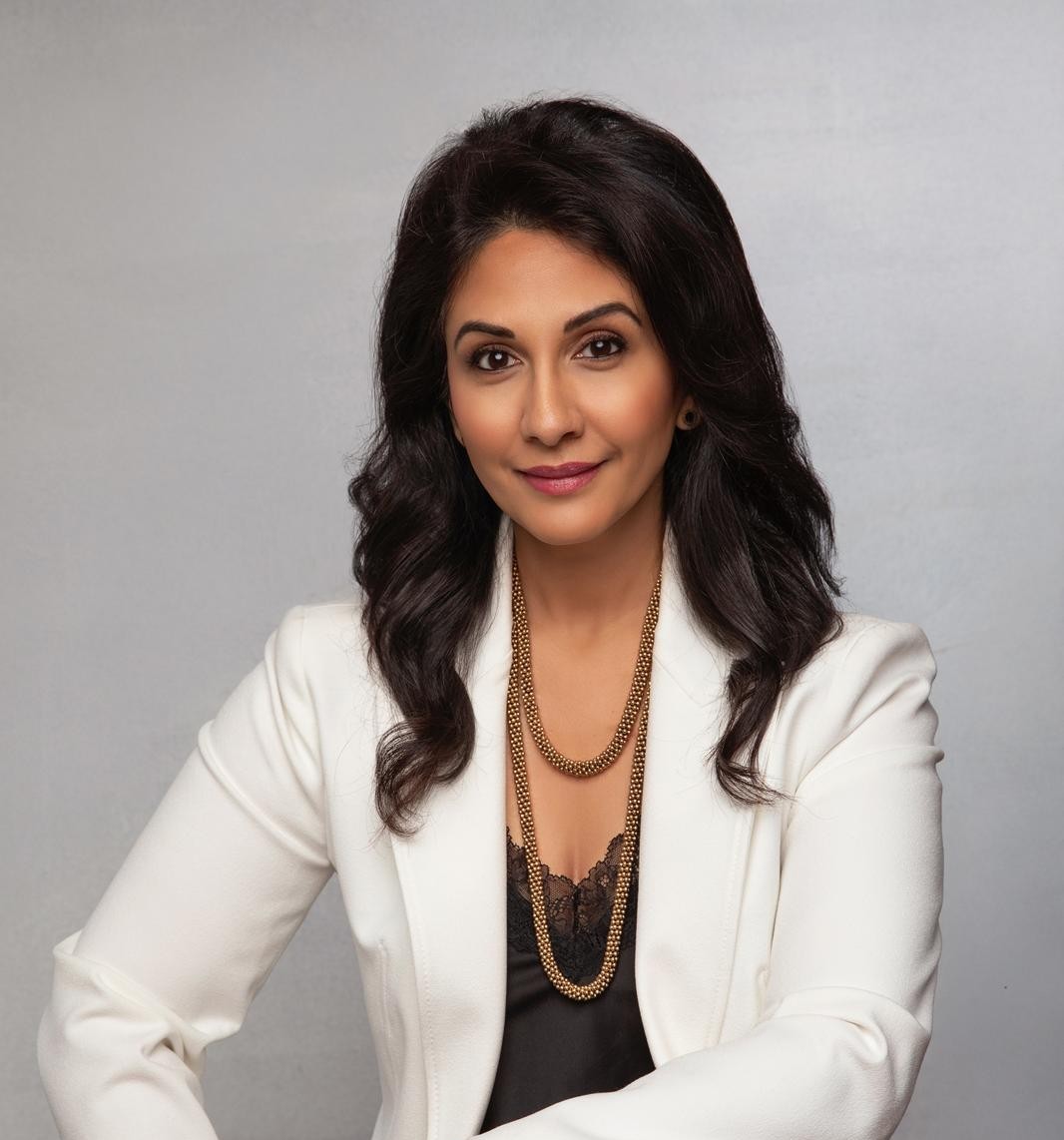
“For the first time, we are seeing the number of patients undergoing breast reduction and implant removal surpass those opting for augmentation. This reflects a broader shift away from exaggerated curves towards a more natural silhouette – one that better complements active lifestyles and the continued rise of athleisure fashion,” explains BAAPS president Nora Nugent.
“This trend may also help explain the increase in labiaplasty procedures. In my practice, patients most commonly cite discomfort during exercise and concerns around visibility in more form-fitting clothing. Notably, many older women share that they have only recently become aware of labiaplasty as a solution to symptoms they have experienced for years.”
Other leading cosmetic surgeries include:
- Blepharoplasty (eyelid surgery): 3,381 – up 8%
- Abdominoplasty (tummy tuck): 2,863 – down 4%
- Liposuction: 2,463 – down 6%
- Face and neck lift: 2,097 – up 11%
- Rhinoplasty (nose reshaping): 1,595 – down 18%
- Fat transfer: 1,338 – down 4%
- Breast implant removal: 850 – up 6%
- Labiaplasty: 675 – up 6%
One of the fastest-rising procedures is the brow lift, which has surged 27% overall.
The audit also displayed a trend away from Brazilian Butt Lift (BBL) style procedures, with Superficial Glueteal Lipofilling (SGHL) – a safer alternative to BBLs – declining by 38%.
Women still dominate cosmetic surgery
Women still account for 93.9% of all procedures.
Brown lifts rose by 29% amongst women in 2025, making them the 11th most popular procedure.
Former BAAPS president, Rajiv Grover attributes this trend to the changing perceptions driven by digital culture.
“Social media has allowed people to see what modern facial surgery really looks like with subtle, natural and restorative results, driven by the newer techniques of deep plane facelift and deep plane neck lift surgery, “ explains Rajib
“Non-surgical treatments still have a role, but they cannot correct structural laxity of the soft tissues which is the central pillar of facial ageing. Patients are increasingly seeking longer-term solutions which compare more favourably with the repeated expense of non-surgical treatments several times a year.
“A new era of openness from celebrities such as Kris Jenner has provided viral illustrations of the natural yet transformational results of facial surgery. Awareness of the side effects of weight-loss drugs such as “Ozempic face” have also driven medical reasons for patients seeking facial aesthetic procedures.”
Men shift to facial surgery
Whilst cosmetic surgery among men fell by 10% with 1,623 procedures carried out in 2025 – facial surgery is now dominating the male demographic.
Top procedures for men include:
- Blepharoplasty: 346 – up 8%
- Rhinoplasty: 273 – down 18%
- Abdominoplasty: 190 – up 7%
- Otoplasty (ear correction): 185 – down 17%
- Liposuction: 185 – down 7%
- Face and neck lift: 156 – up 11%
Male brow lifts also rose by 10%, reflecting growing demand for subtle facial rejuvenation.
Shift in aesthetic goals and what this means for aesthetic professionals
The latest BAAPS audit highlights a clear shift in cosmetic surgery trends in the UK, with patients increasingly favouring natural, functional outcomes over volume-driven procedures.
As demand for breast augmentation declines and implant removals rise, clinics may need to adapt their treatment strategies to align with evolving patient expectations and long-term aesthetic goals.