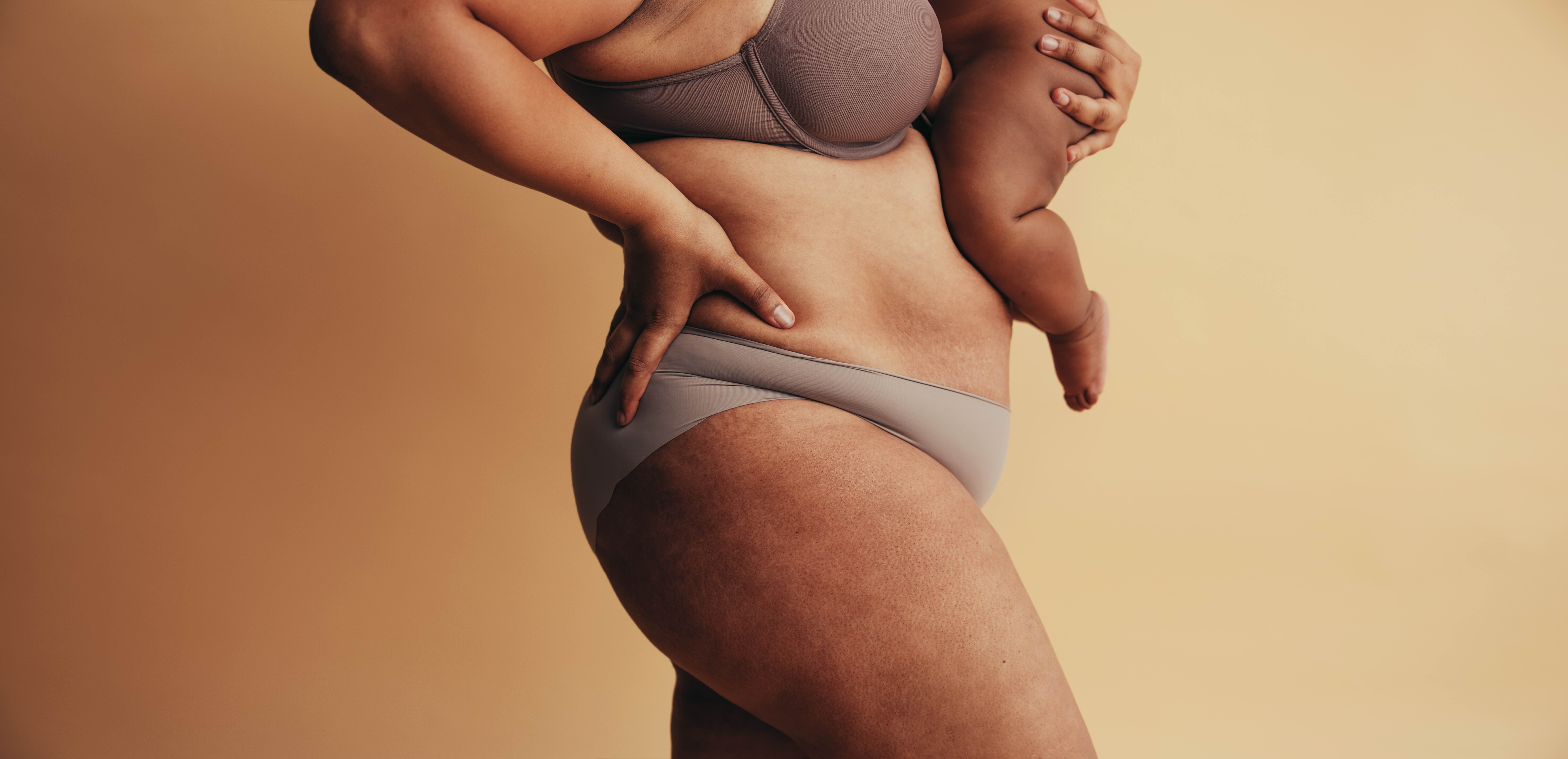
Pregnancy and childbirth place significant strain on the body, bringing lasting changes to vaginal, vulval and pelvic health. Yet many women are still told that symptoms such as dryness, discomfort or pelvic weakness are simply “normal” after having a baby.
While some changes are expected, others may persist, worsen or significantly affect quality of life. The challenge lies in knowing the difference – and understanding when reassurance is appropriate and when clinical support is needed.
Contributing reporter Ellen Cummings speaks to experts about where aesthetic professionals play a role in postpartum vaginal, vulval and pelvic symptoms.
Postpartum hormonal changes
From a gynaecological perspective, the hormonal changes following birth are immediate and significant. “Following childbirth, and specifically placental delivery, there is a rapid decline in circulating oestrogen and progesterone levels, returning to pre-pregnancy levels by approximately day five postpartum,” explains Miss Smita Sinha, who is the founder of Serenity Women’s Clinic in Taunton, Somerset.
Oestrogen plays a central role in vulvovaginal tissue health. “Oestrogen is integral to maintaining vulvovaginal tissue thickness, elasticity, vascularity and lubrication. This transient hypoestrogenic state may lead to increased tissue sensitivity and reduced lubrication, contributing to symptoms such as dryness, irritation and discomfort during the postpartum period,” Miss Sinha adds.
These changes are not confined to women who have had vaginal births. Hormonal shifts occur regardless of mode of delivery. Breastfeeding can also extend this period of low oestrogen.
Breastfeeding and hormonal changes
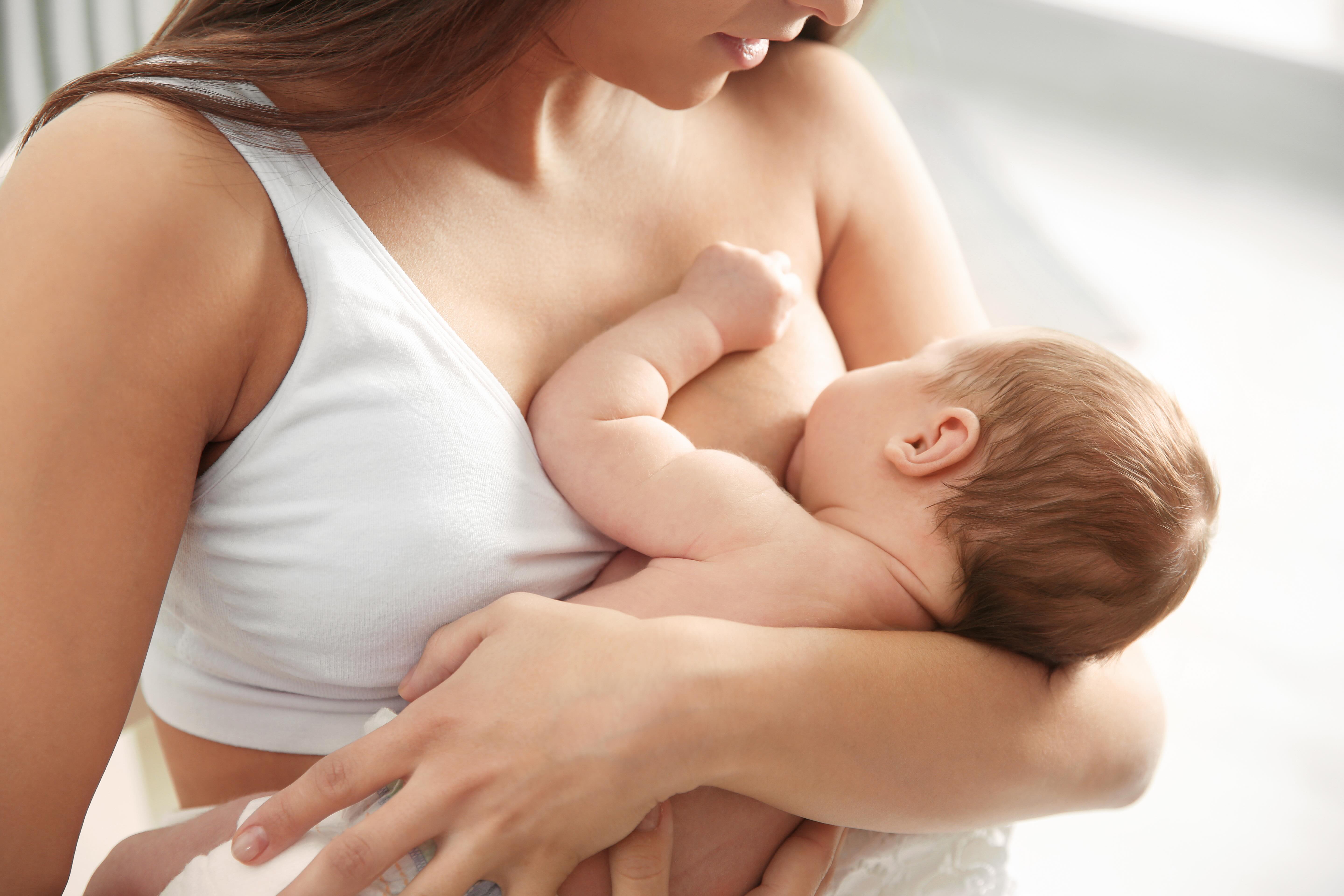
“Breastfeeding prolongs the hypoestrogenic state through prolactin-mediated suppression of ovarian function,” says Miss Sinha. “As a result, vulvovaginal dryness, burning or dyspareunia may persist throughout lactation. Symptoms often improve once breastfeeding reduces or ceases, although the duration and severity vary considerably between individuals.”
Dr Shirin Lakhani sees this frequently in her clinic, Elite Aesthetics in Greenhithe, Kent. “Breastfeeding suppresses ovarian oestrogen production, creating a temporary low-oestrogen state that can resemble menopausal vulvovaginal atrophy,” she explains. “In clinic, this commonly presents as dry, pale or fragile vaginal tissue, pain or tearing with intercourse, stinging or burning sensations, external vulval discomfort, recurrent UTIs and sometimes delayed tissue healing. The epithelium can appear thin and less elastic on examination.”
Importantly, women often do not connect these symptoms to hormones. “Many women assume that pain or dryness must be due to trauma from delivery, but in reality, hypoestrogenism is often the primary driver. This is why these symptoms can occur regardless of whether a woman has had a vaginal birth or a caesarean section,” says Dr Lakhani.
Common postpartum vaginal and pelvic symptoms
While hormonal shifts play a significant role, many postpartum symptoms reflect physiological healing and neuromuscular recovery.
According to Miss Sinha, common postpartum changes include:
-
Lochia
-
Vulval or vaginal swelling
-
Soreness
-
Transient dryness
-
Altered sensation
-
Dyspareunia
-
Mild urinary leakage
-
Vulval sensitivity
-
Subjective sense of pelvic laxity or heaviness
“These symptoms typically reflect tissue and neuromuscular recovery, hormonal adaptation, and often improve gradually over the first six to 12 months postpartum.”
Dr Lakhani emphasises that recovery is rarely linear. “The early postpartum period is one of healing and hormonal recalibration. Many symptoms are expected, and reassurance can be incredibly powerful.”
At the same time, both experts caution against dismissing persistent symptoms. “Postpartum symptoms are frequently normalised to the point of dismissal,” says Miss Sinha. “While many changes are transient and part of physiological recovery, persistent symptoms are not inevitable and warrant appropriate clinical assessment.”
Dr Lakhani echoes this balance. “Recovery can take many months and sometimes up to a year or longer depending on the birth and individual healing. Mild dryness, early pelvic weakness and scar sensitivity are common. These often respond to conservative measures and reassurance. However, persistence without improvement, worsening symptoms, or significant impact on quality of life shifts the conversation.”
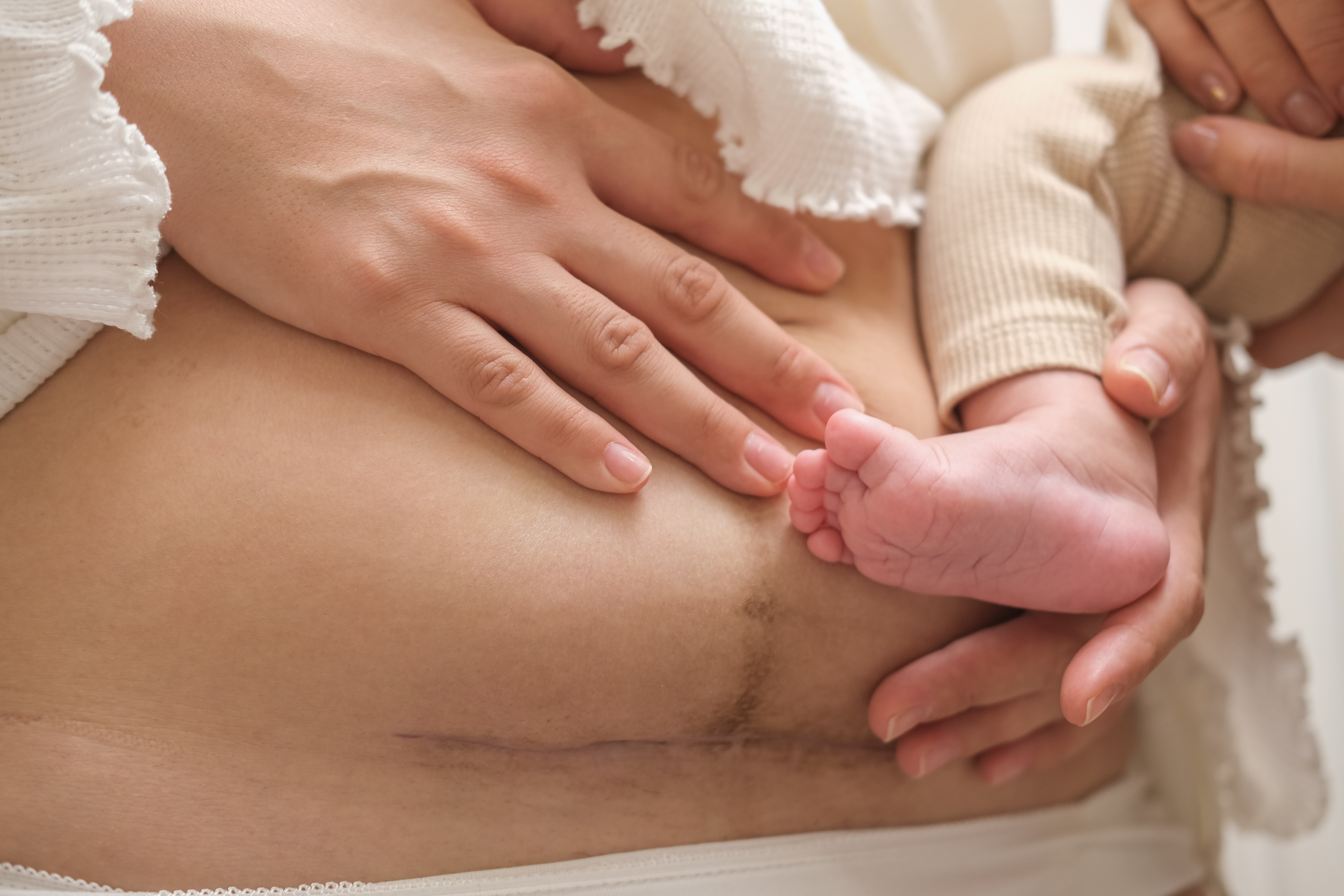
Vaginal birth vs caesarean section
A persistent belief among patients is that caesarean section protects against postpartum intimate symptoms. Both experts are clear that this is misleading.
“This belief is largely inaccurate,” says Miss Sinha. “While a caesarean section may reduce the risk of certain perineal injuries, it does not protect against postpartum hormonal changes or pelvic floor dysfunction. Intimate symptoms can occur regardless of mode of delivery.”
Dr Lakhani sees this misconception regularly. “In reality, pregnancy itself places significant biomechanical and hormonal stress on the pelvic floor, connective tissue, nerves and core musculature.”
She continues, “I frequently see women following C-section presenting with urinary incontinence, pelvic floor weakness, reduced sensation, vaginal dryness and pain with intercourse. Many feel confused or even guilty because they believe they ‘avoided trauma’. Education is key here. Pregnancy alone is enough to influence pelvic health.”
That said, there are differences in recovery profiles. “Vaginal delivery may be more commonly associated with perineal pain or soreness and early pelvic floor symptoms, particularly following operative delivery or higher-degree tears,” says Miss Sinha. “Caesarean section, however, involves major abdominal surgery with its own recovery challenges, including wound healing and abdominal wall dysfunction. Long-term pelvic floor outcomes are influenced by multiple factors beyond delivery method alone.”
For practitioners, Dr Lakhani stresses the importance of avoiding assumptions. “Delivery method is one part of the clinical picture, but it should never be used in isolation. Assessment must be individualised and holistic rather than assumption based.”
Perineal trauma, scarring and sexual wellbeing
For women who have experienced perineal tears or episiotomy, symptoms may extend beyond the immediate postpartum period.
“Poorly healed perineal trauma may result in chronic pain, dyspareunia, altered sensation and pelvic floor dysfunction,” says Miss Sinha. “Psychological and sexual sequelae may also persist, particularly where birth trauma has occurred, even when anatomical healing appears satisfactory.”
Referral should not be delayed if symptoms persist. “Referral should be offered at any time at the patient’s request,” she advises. “Clinically, referral is particularly appropriate if symptoms persist beyond three to six months postpartum, or earlier if symptoms are severe, progressive or significantly impacting quality of life.”
Dr Lakhani uses quality of life as a key marker. “If incontinence prevents a woman from leaving the house confidently, if infections are recurrent, or if pain is ongoing and distressing, we need to intervene or refer appropriately.”

Postpartum red flags
While reassurance is appropriate for many women, certain symptoms require prompt medical assessment.
Miss Sinha and Dr Lakhani highlight red flags that require referral:
-
Persistent or escalating pain
-
Unexplained bleeding or bruising
-
Suspected infection or sepsis
-
Poorly healed perineal or caesarean wounds
-
Worsening prolapse symptoms
-
Urinary or bowel dysfunction
-
Abnormal discharge
-
Severe pelvic pain
-
Persistent heavy bleeding
-
Significant prolapse symptoms
-
Severe or worsening urinary or faecal incontinence
-
Neuropathic pain not improving with conservative management
-
Concerns about obstetric anal sphincter injury
Dr Lakhani also emphasises that “a woman’s emotional state must never be overlooked… appropriate referral for mental health support is essential”.
Aesthetic practitioners role in postpartum care
With more postpartum women presenting to aesthetic clinics, practitioners are increasingly part of this landscape.
“I have absolutely noticed an increase in postpartum women seeking support for intimate and pelvic health concerns,” says Dr Lakhani. “I see this as a positive shift. Women are more informed, stigma is reducing, and they are seeking help earlier rather than suffering in silence.”
She notes that most are not motivated by appearance. “Importantly, many women are not coming in primarily for ‘aesthetic’ reasons. They are worried about comfort, function and intimacy.”
For Miss Sinha, the role of aesthetic practitioners is supportive rather than primary. “Aesthetic practitioners can play a valuable supportive role through education, reassurance and appropriate signposting, provided they have a sound understanding of postpartum physiology and work within clearly defined professional boundaries. Collaboration with gynaecology and pelvic floor specialists is essential.”
Dr Lakhani frames the role similarly. “Our role is to differentiate physiological recovery from pathology, and to avoid pathologising normal change.”
She continues, “We can provide education around hormonal shifts, pelvic floor awareness, scar care and tissue health. Signposting to pelvic health physiotherapy is invaluable. Where appropriate, supportive treatments may have a role, but the focus should always be functional restoration and quality of life, not cosmetic perfection or ‘bouncing back’ to their pre-pregnancy state.”
Miss Sinha adds that, “where appropriate, and within the limits of current evidence and scope of practice, supportive and regenerative interventions, including polynucleotides, platelet-rich plasma, electrical muscle stimulation and energy-based therapies such as radiofrequency may be considered as adjunctive options in supporting postpartum recovery. Their use should be guided by clinical judgement, regulatory requirements, patient-specific factors and informed consent, with appropriate referral pathways in place.”
Timing is critical. “The first six to 12 weeks postpartum are primarily for healing,” says Dr Lakhani. “Energy-based or invasive procedures should not be considered in early recovery.”
Consent must also be handled carefully. “Postpartum women can be physically and emotionally vulnerable. It is essential to ensure that decisions are autonomous, free from external pressure, and that expectations are realistic.”
Dr Lakhani concludes, “The biggest oversight is underestimating the impact of hormonal shifts in the first year postpartum. Many intimate symptoms are endocrine driven rather than purely structural. Our responsibility is not to restore a ‘pre-baby body’, but to support safe, ethical, function-led recovery with empathy, clinical integrity and a truly holistic understanding of postpartum physiology.”
For aesthetic practitioners, that means understanding physiology, respecting recovery timelines, recognising red flags and working collaboratively. Postpartum change is neither something to dismiss nor something to automatically treat. It is, as both experts suggest, something to assess carefully, contextualise thoughtfully and manage with clinical integrity.
FAQ’s
What causes vaginal dryness after childbirth?
Vaginal dryness after childbirth is primarily caused by a drop in oestrogen levels following delivery. This hormonal change reduces lubrication and can make vaginal and vulval tissues more sensitive, leading to discomfort or irritation.
Does breastfeeding affect vaginal dryness?
Yes, breastfeeding can prolong vaginal dryness. Hormonal changes associated with lactation suppress oestrogen production, which can extend symptoms such as dryness, burning or discomfort until breastfeeding reduces or stops.
Are postpartum vaginal and pelvic symptoms normal?
Many postpartum symptoms are a normal part of recovery. These can include soreness, swelling, dryness, altered sensation, mild urinary leakage and a feeling of pelvic heaviness. They typically improve gradually over time.
How long do postpartum pelvic symptoms last?
Postpartum recovery varies between individuals, but symptoms often improve over the first six to 12 months. In some cases, recovery may take up to a year or longer depending on factors such as healing, hormonal changes and pelvic floor function.
Are postpartum symptoms caused by hormones or physical trauma?
Postpartum symptoms can be caused by both hormonal changes and physical factors. While tissue healing plays a role, reduced oestrogen levels are often a key driver of symptoms such as dryness and discomfort, regardless of how the baby was delivered.
Does a caesarean section prevent pelvic floor problems?
No, a caesarean section does not prevent postpartum pelvic floor issues. Pregnancy itself places significant strain on the pelvic floor, and symptoms such as weakness, incontinence or dryness can occur regardless of delivery method.
When should postpartum symptoms be checked by a professional?
Postpartum symptoms should be assessed if they persist beyond three to six months, worsen over time, or significantly impact quality of life. Early evaluation is also important if symptoms are severe or causing concern.
What are red flag symptoms after childbirth?
Symptoms that require prompt medical assessment include persistent or worsening pain, unexplained bleeding, signs of infection, poor wound healing, significant prolapse symptoms, and ongoing urinary or bowel dysfunction.
What is the role of aesthetic practitioners in postpartum care?
Aesthetic practitioners can provide education, reassurance and guidance, while helping to identify when referral to a medical or pelvic health specialist is needed. Their role is supportive and should focus on safe, ethical and function-led recovery.
When can postpartum treatments be considered?
The early postpartum period is primarily for healing. More invasive or energy-based treatments should not be considered within the first six to 12 weeks, and any intervention should be guided by clinical assessment and individual recovery.
You might also like to read: