
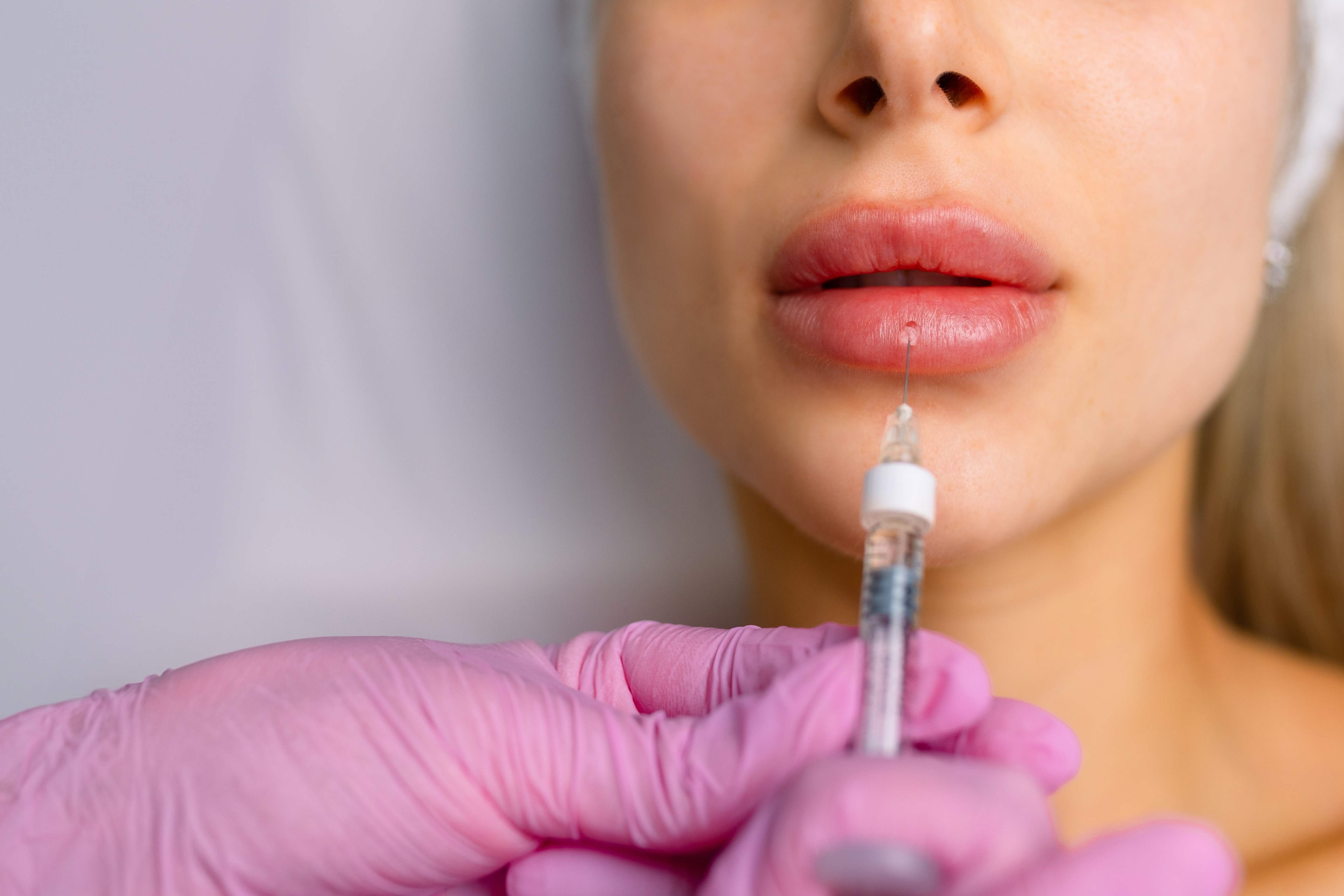
Nurse Sarah McConville explores how lip augmentation trends in Liverpool are evolving, with patients moving away from volume-led enhancement towards more natural results. She examines the growing focus on facial proportions, anatomical assessment, correction of previous treatments and patient safety.
For many years, lip augmentation has been one of the most requested aesthetic procedures in the UK.
A 2023 survey by The International Society of Aesthetic Plastic Surgery (ISAPS) found that hyaluronic acid (HA) fillers remaining the dominant product category used in soft tissue augmentation globally. In my clinical practice in the North West, I have historically seen a strong demand for fuller lip enhancement; however, over the past three to five years, I have observed a clear shift in both patient motivation and treatment planning.
How are lip augmentation trends changing in Liverpool?
Within Liverpool specifically, I have observed that aesthetic preferences have traditionally leaned towards more visibly enhanced outcomes, particularly in lip augmentation. This has historically reflected wider cultural norms within certain social and media-driven environments where fuller lips were strongly associated with attractiveness, confidence and wealth.
However, this is now evolving. Patients presenting in clinic today are more likely to reference subtlety, proportion and more natural treatment outcomes rather than visible augmentation.
This shift I’m witnessing appears particularly pronounced among patients in professional roles or those with a strong online presence, where facial aesthetics must translate across video-based platforms and personal branding environments.
Rather than requesting increased volume or specific millilitre-based outcomes, my patients are increasingly seeking refinement, correction of previous treatments and results that appear natural in both static and dynamic expression.
This reflects a broader evolution I’m witnessing within aesthetic medicine, where success is now defined less by augmentation and more by facial harmony, proportion and tissue quality.
Why are patients choosing more natural lip filler results?
This shift sits alongside continued global growth in non-surgical aesthetic procedures. ISAPS reported ongoing increases in injectable treatments, with HA-based procedures remaining among the most frequently performed worldwide.
However, increasing procedural demand is now accompanied by greater emphasis on safety, reversibility and complication management.
A key driver of this change is improved patient education. Patients are now more likely to arrive in consultation having researched products, techniques and complications through digital platforms. They are also more aware of the medic vs non-medic aesthetic practitioner considerations. This has resulted in more discussions around migration and suitability of product selection rather than simple volume requests.
Why is anatomical assessment important in lip augmentation?
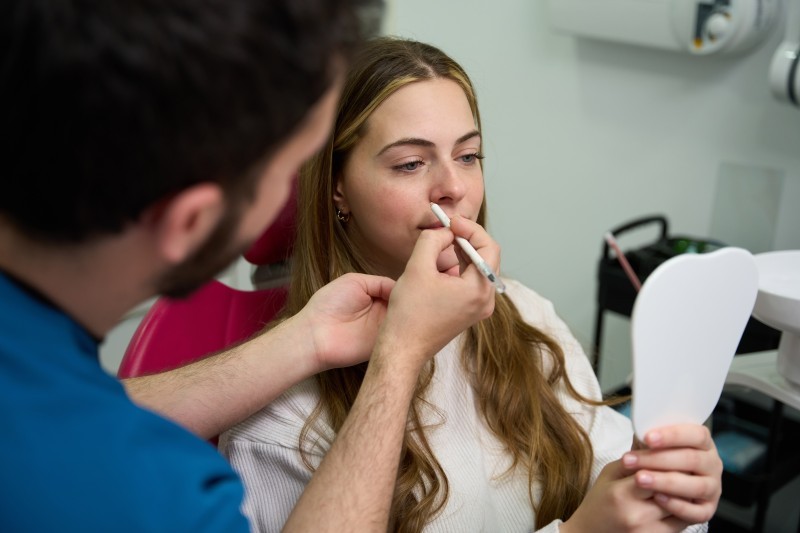
From a clinical perspective, this necessitates a more structured and anatomically informed consultation process.
Lip augmentation should not be considered an isolated treatment but part of a full perioral and facial assessment. Anatomical studies highlight the complexity of the lip complex, including age-related changes in vermilion border definition, orbicularis oris support and vascular architecture, all of which influence treatment planning.
Consensus guidance emphasises the importance of patient selection, injector competence and complication awareness in HA filler procedures.
Although HA fillers are considered safe when used appropriately, complications such as migration, nodularity and long-term tissue distortion remain clinically relevant, particularly in cases of overcorrection or suboptimal placement technique.
Importantly, evidence also demonstrates that HA lip augmentation is associated with high levels of patient satisfaction and measurable improvements in perceived aesthetic outcome.
This highlights a key clinical tension: while outcomes are generally positive, optimal results depend heavily on appropriate patient selection, product choice and anatomical precision.
Case studies: Moving beyond volume-led lip augmentation
This shift is reflected in two of my patients, who illustrate the trend I am seeing in Liverpool away from the more “over the top” aesthetic look. Interestingly, these two patients did not initially present requesting lip treatment.
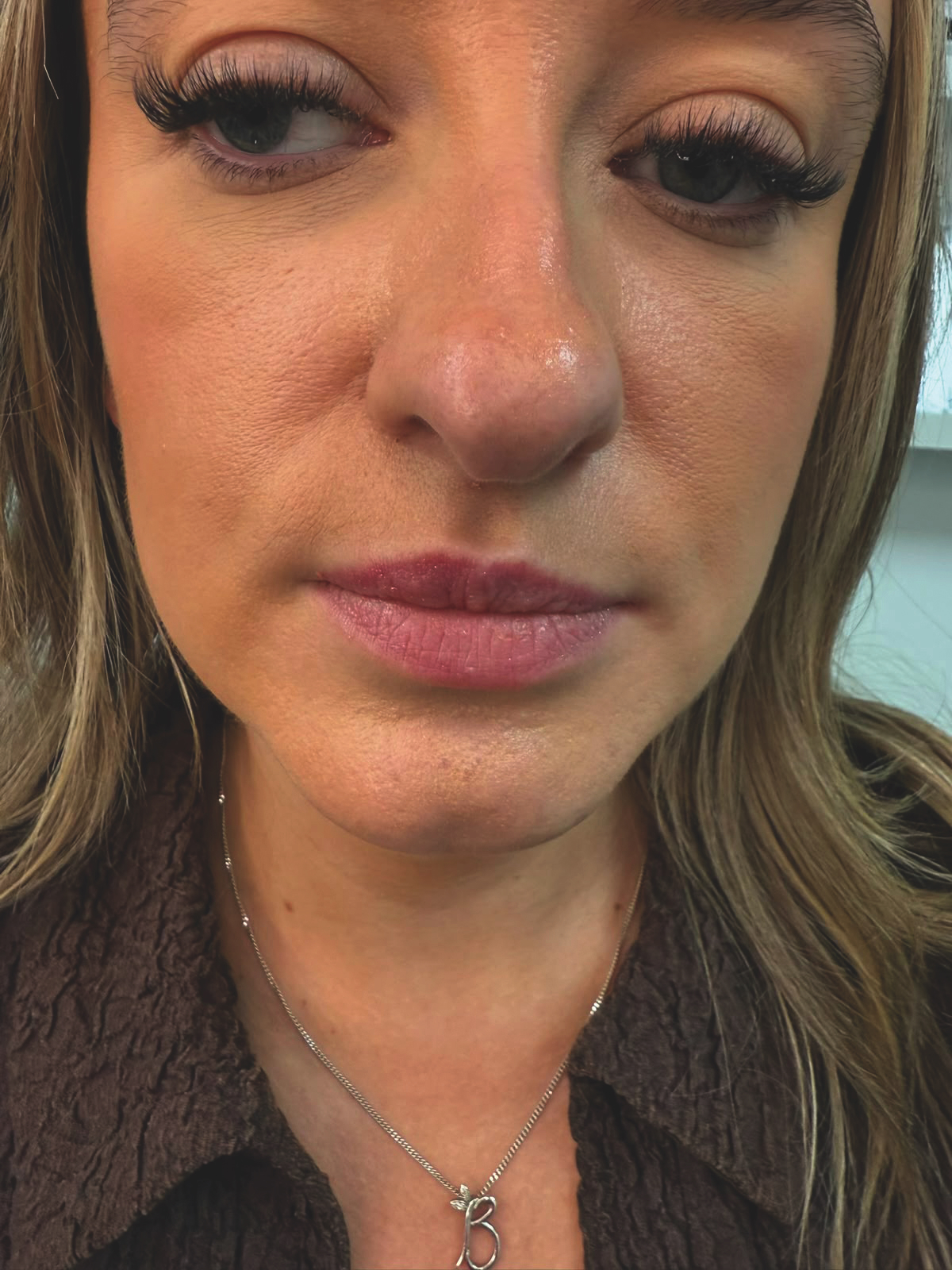
Beth, a 29-year-old business owner (Fitzpatrick Skin Type II), attended clinic to improve confidence when presenting on TikTok and Instagram, where she is the public face of her brand.
A Lip assessment identified previously placed filler that no longer supported her desired aesthetic outcome.
A staged treatment plan was undertaken, beginning with dissolution of existing filler. Following reassessment, 0.8ml Stylage S was used to restore hydration, definition and lip architecture. The aim was not volumetric augmentation but restoration of proportion and tissue quality.
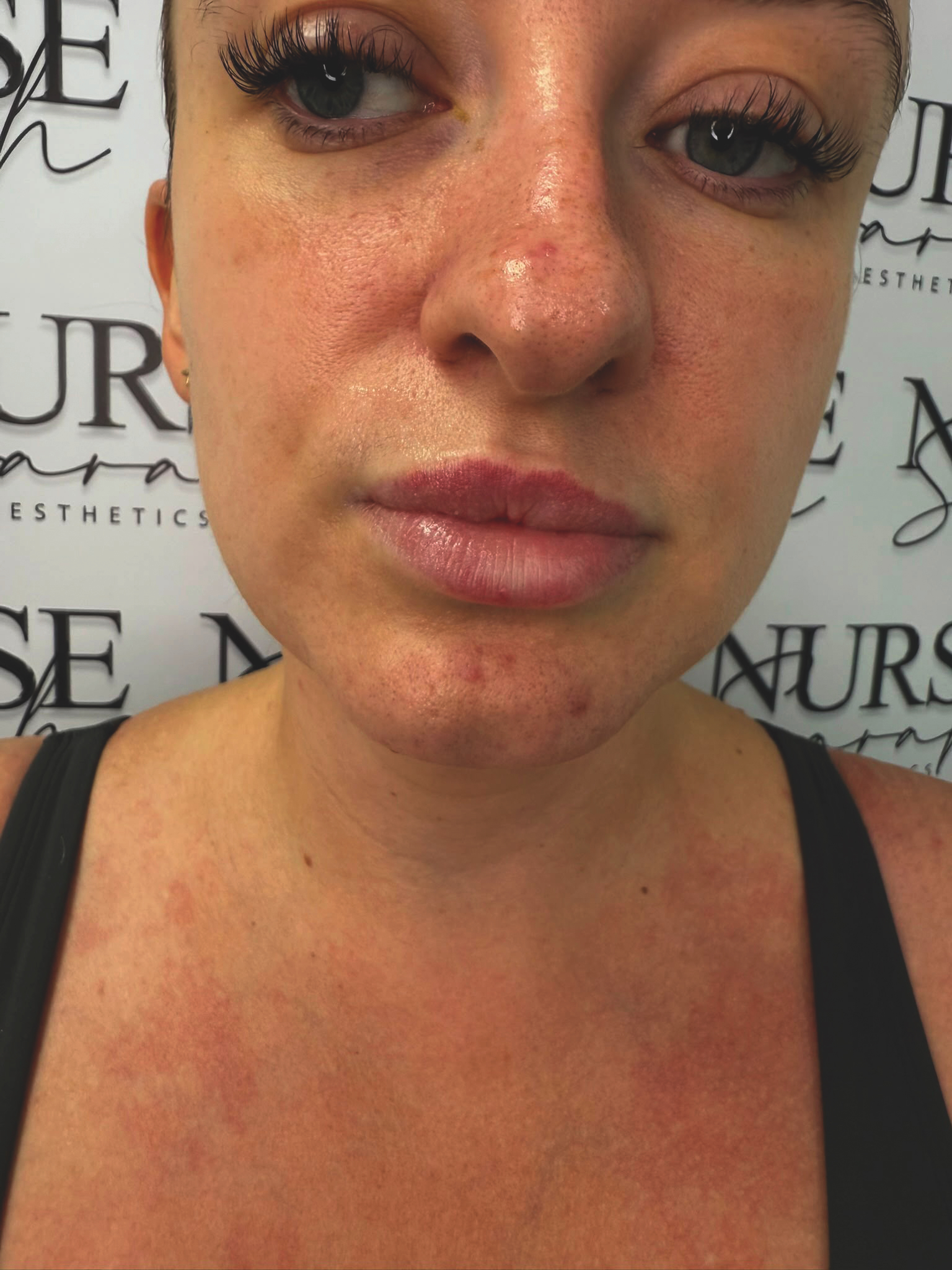
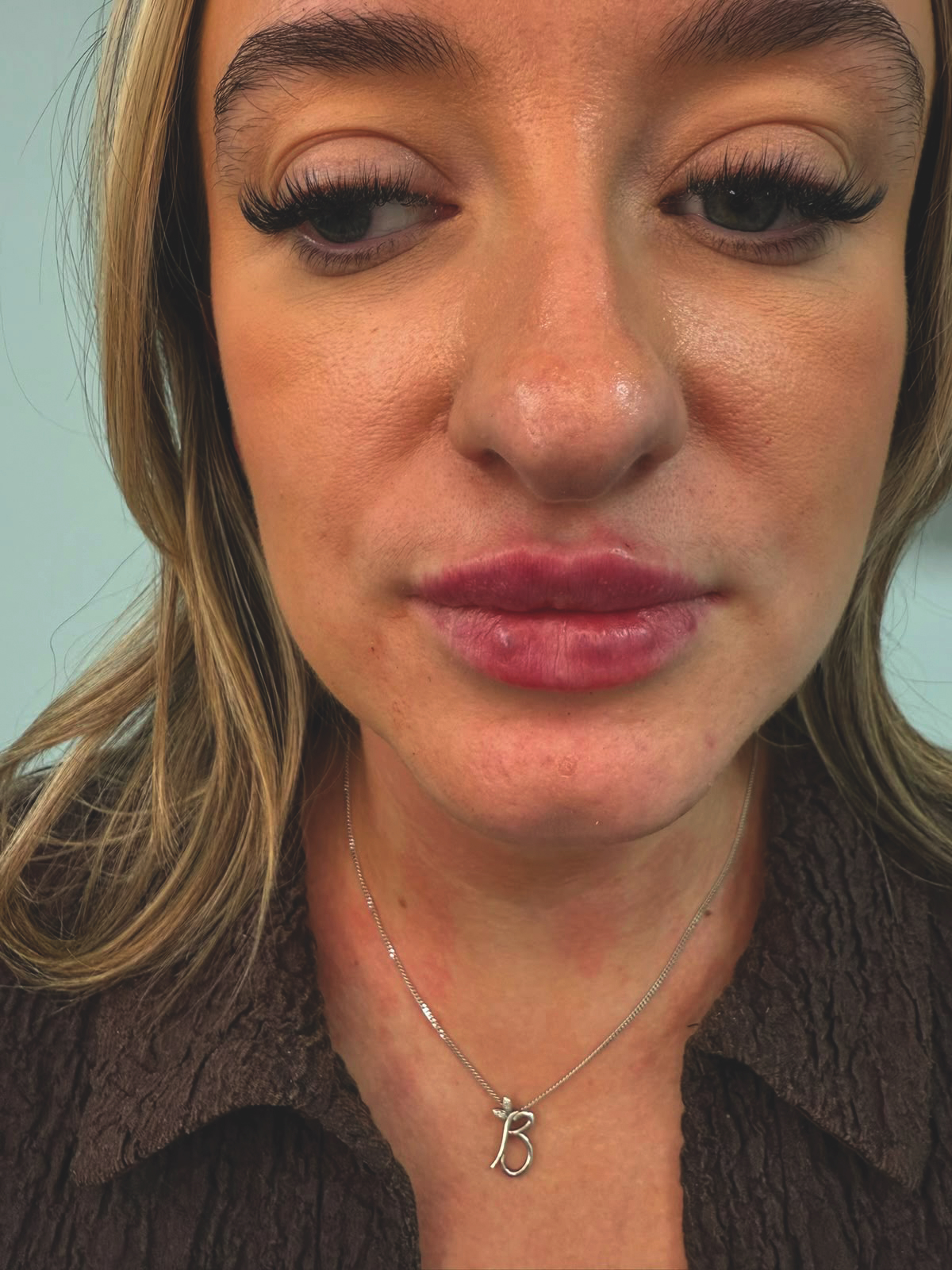
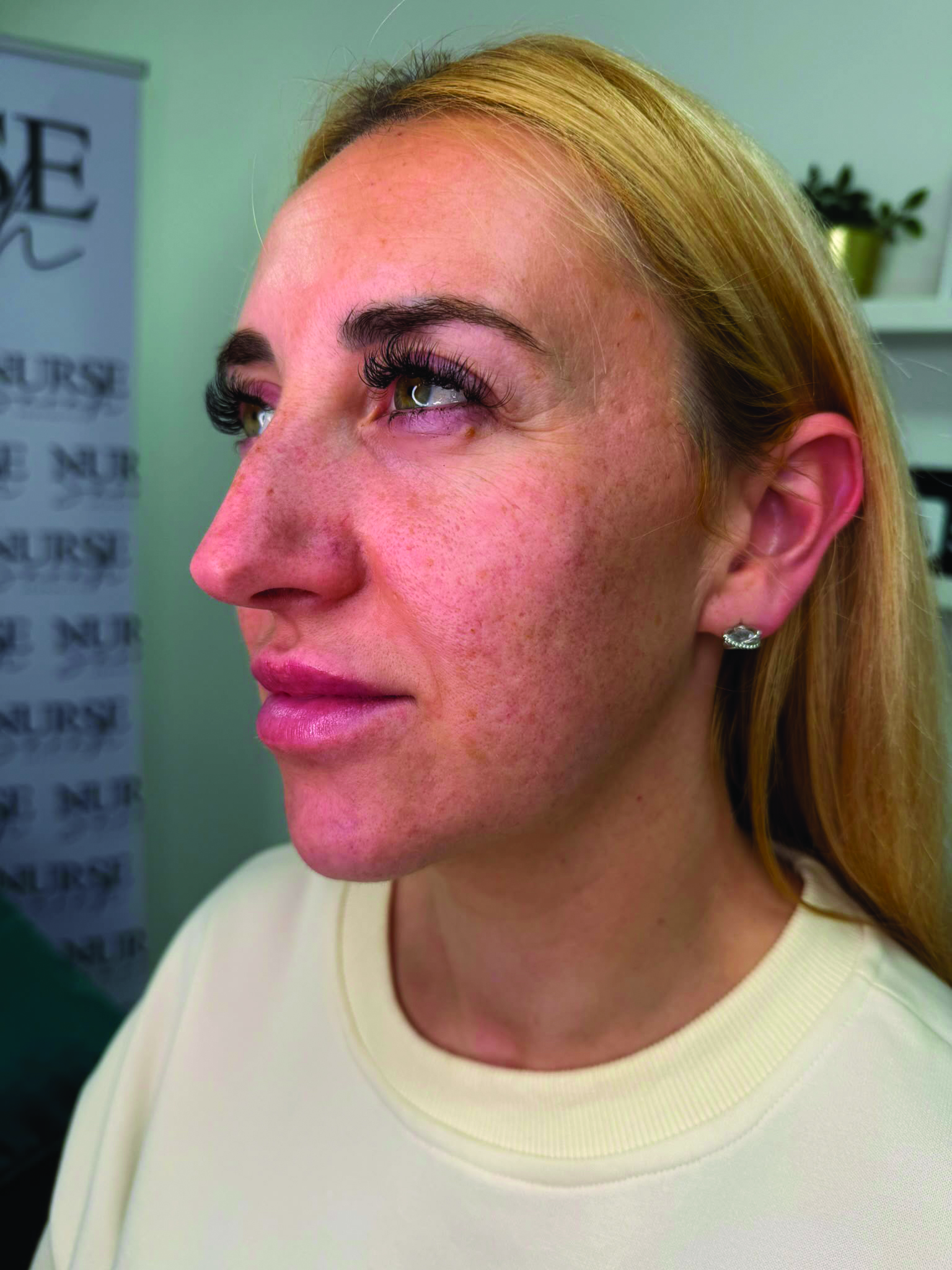
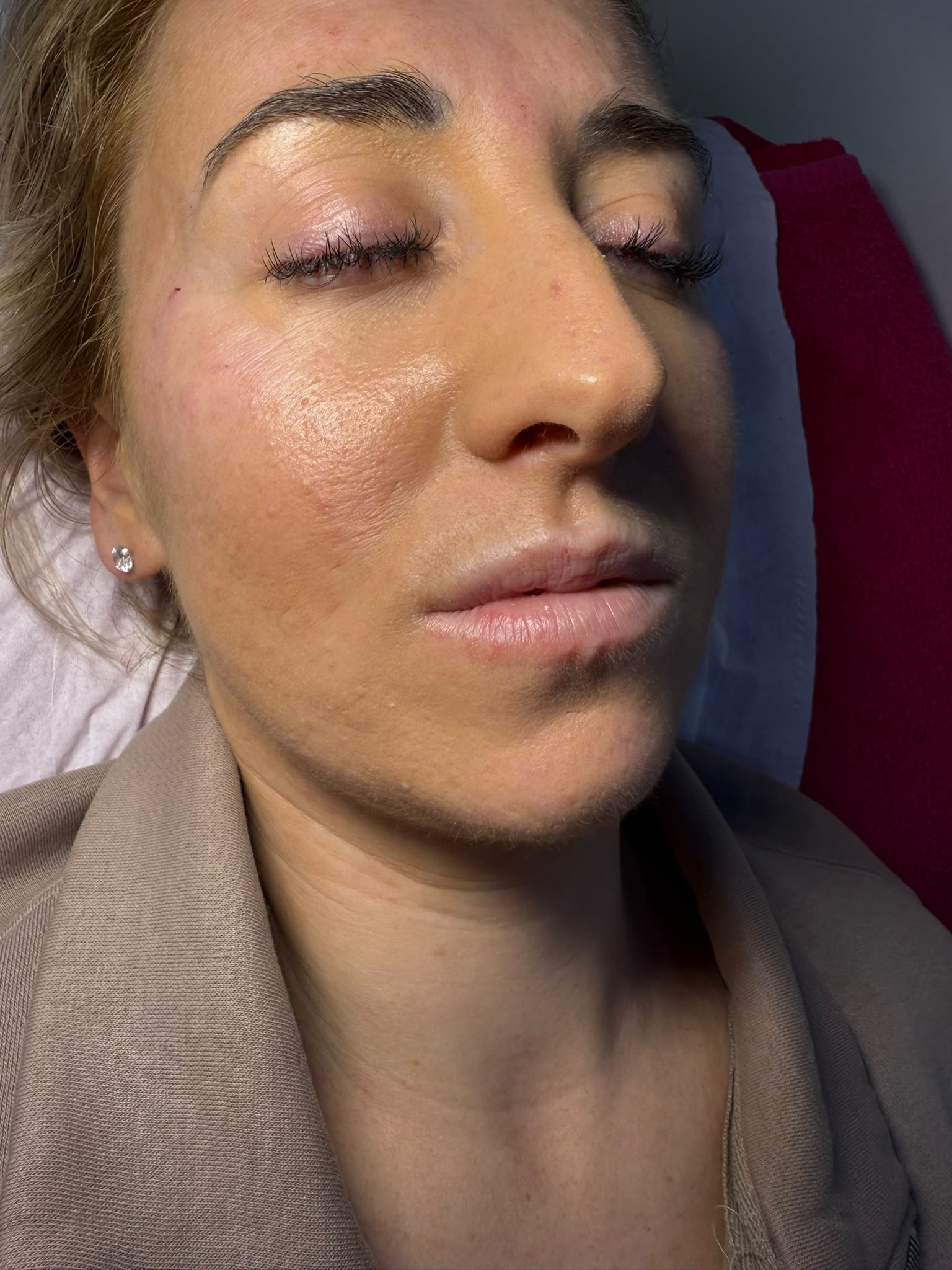
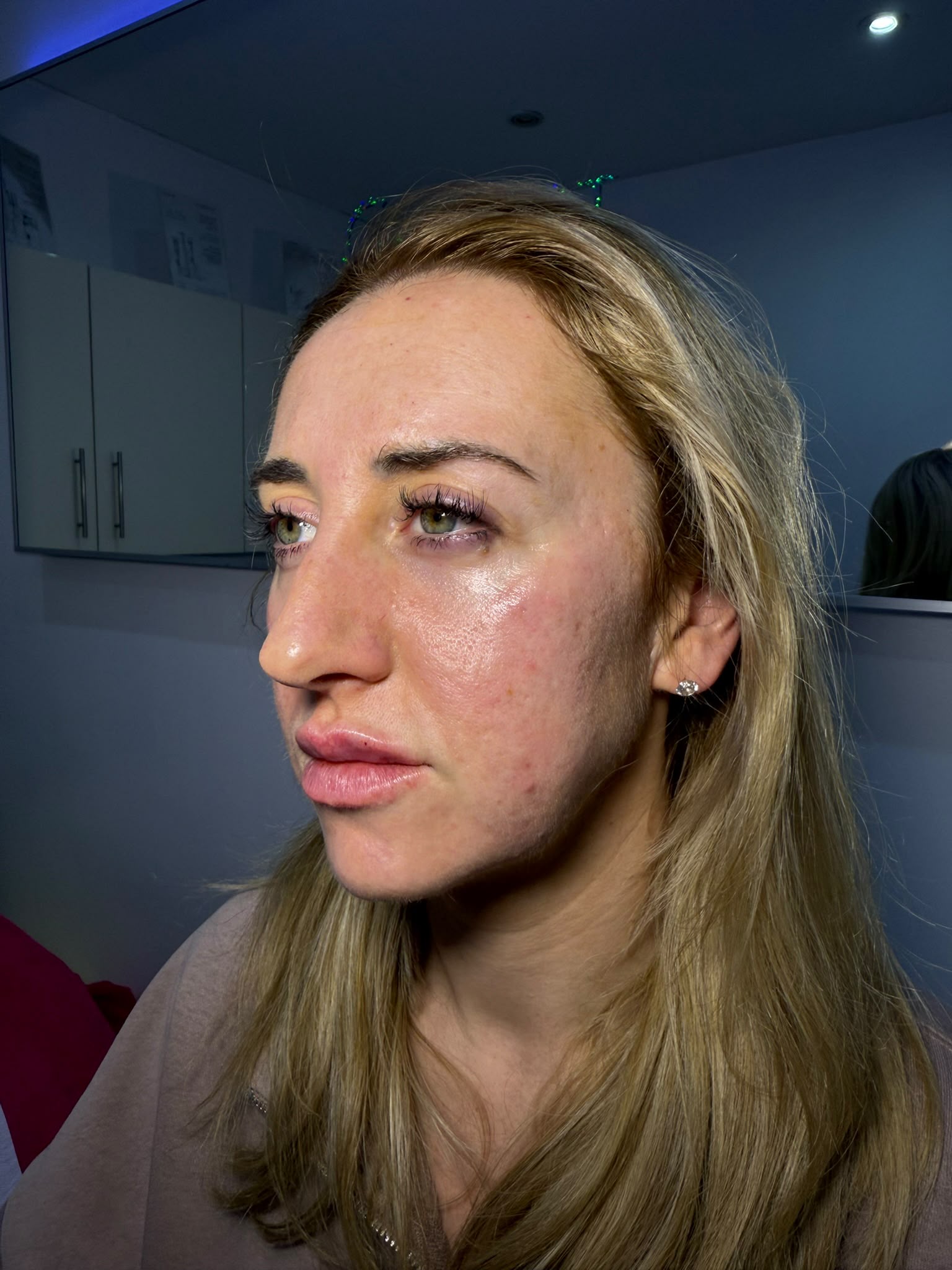
My second patient, Helen, aged 34 (Fitzpatrick Skin Type II), presented with reduced confidence in video-based content following significant life changes.
Clinical examination demonstrated migrated filler with associated scar tissue formation. Following dissolution and reassessment, 1.5ml Teoxane Kiss was required to restore structural support and contour.
This is the largest volume I’ve used of this product, but it was necessary for improved outcomes.
This case demonstrates that achieving a natural outcome is not necessarily dependent on reduced product volume, but on appropriate anatomical correction and tailored product selection.
These cases reflect a broader shift in aesthetic practice. Patients are increasingly motivated by confidence, professional identity, and digital visibility rather than purely aesthetic enhancement. Many are highly informed and engaged in shared decision-making, often via social media, with greater openness to corrective treatment pathways.
For clinicians, this evolution reinforces the importance of anatomy-led practice, conservative decision-making and a willingness to prioritise dissolution where required.
Contemporary lip augmentation is therefore defined not by volume alone, but by restoration of structure, maintenance of tissue integrity and outcomes aligned with individual facial proportions.
Sarah McConville
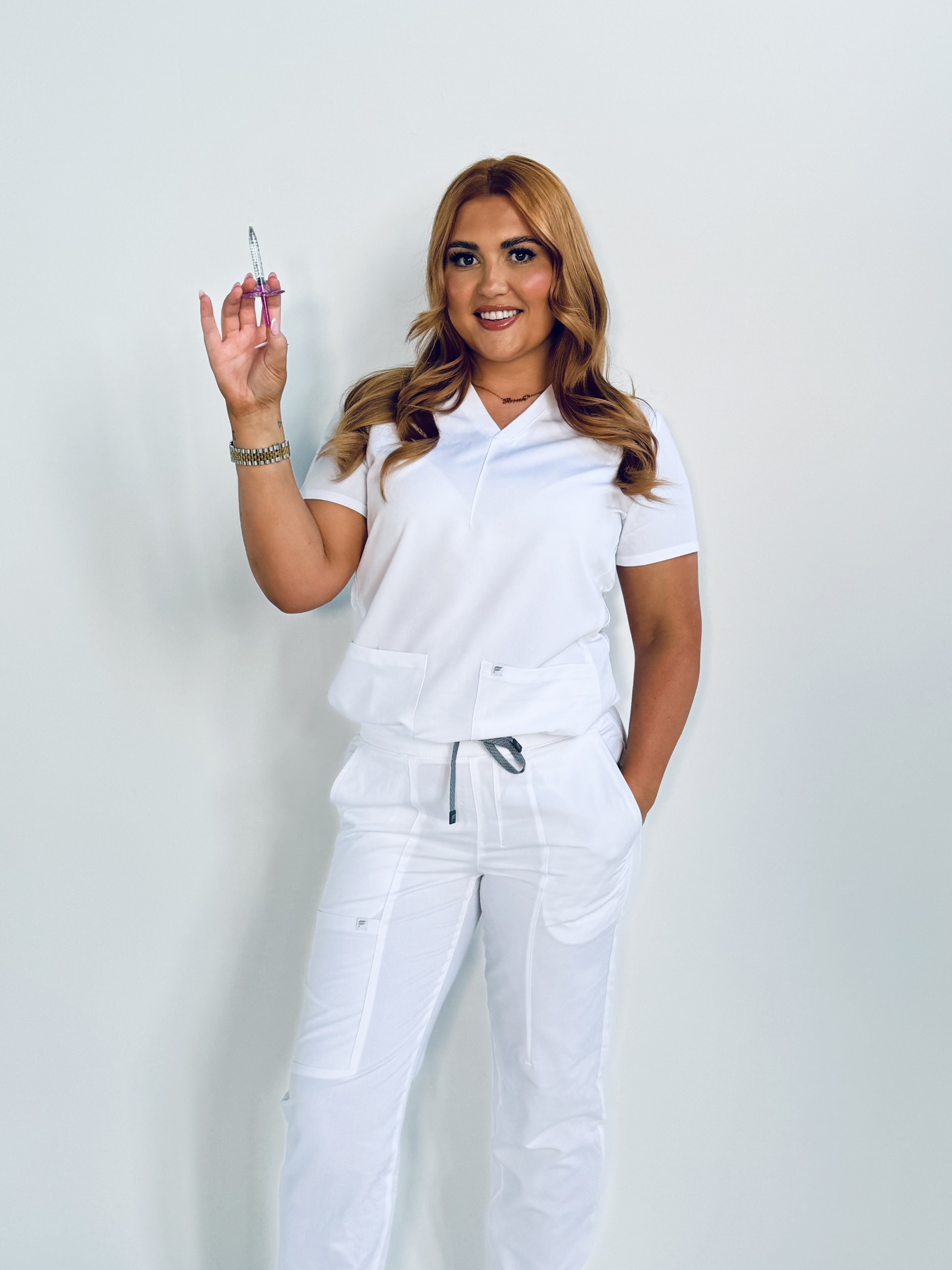
Sarah McConville is NMC Registered adult Nurse with over 12 years experience in plastic surgery and more than six years in medical aesthetics. Holding a Level 7 qualification in Aesthetic Medicine, she practises across Chester, Wirral and Liverpool and serves as Regional Lead for the North West Nurses Network.
Connie Cooper
Connie Cooper is content writer across both Aesthetic Medicine and Professional Beauty magazines. She covers the latest news and emerging trends, and regularly speaks with leading experts across the aesthetics and beauty industries. Contact her at connie.c@thepbgroup.com