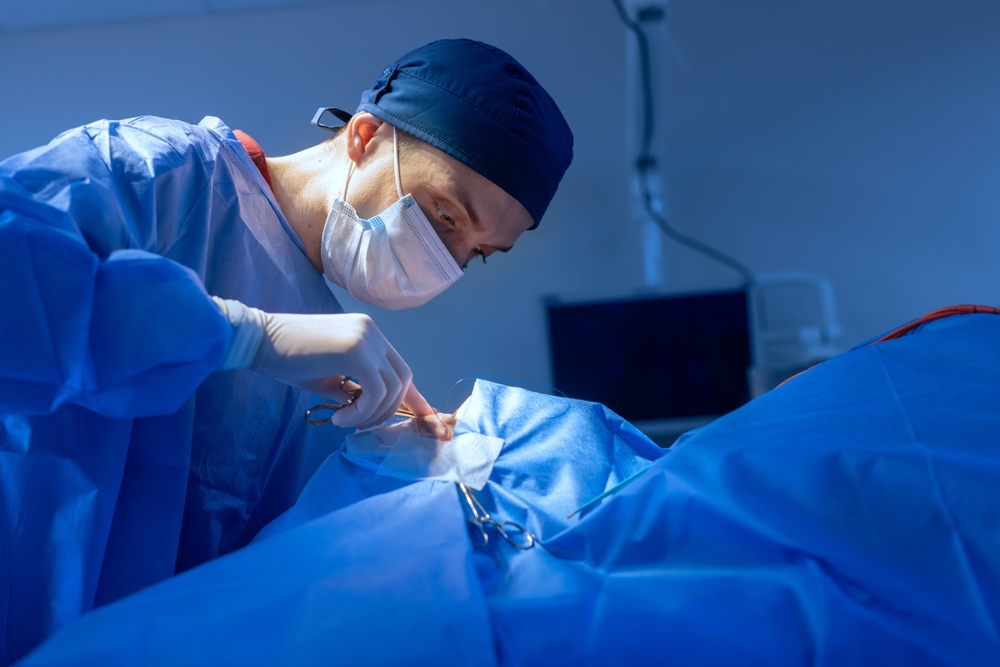
Harley Street is world-renowned for providing excellence in private healthcare; however, the rise of “Harley Street pop-ups” and “tweakment hotels” is damaging the hub's reputation and posing a risk to patient safety, reports The Standard.
According to Save Face, a government-approved register for non-surgical cosmetic treatments, complaints about unqualified practitioners carrying out procedures in temporary facilities on Harley Street have risen from 18 to 118 in the last five years.
Tweakment hotels risking Harley Street reputation
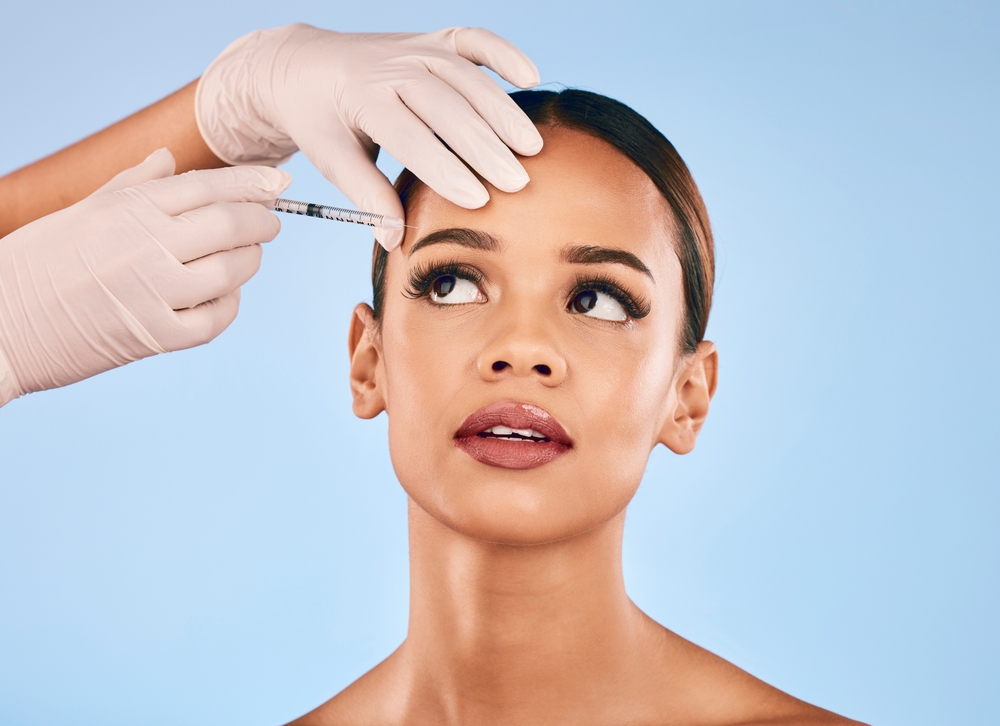
Patients are drawn into the luxurious London spot through social media, where rogue practitioners advertise bargain deals across popular treatments, including botulinum toxin, fillers, and higher risk procedures such as non-surgical Brazilian butt lifts (BBLs).
Ashton Collins, director of Save Face, told the Standard her organisation has seen a sharp rise in people setting up pop-up clinics on Harley Street to acquire respectability despite having no qualifications to carry out cosmetic treatments.
The publication found that rooms are available to rent for as little as £120, allowing anyone to temporarily use the facilities, benefiting from the area's reputation, without the credibility that draws patients to the facilities.
Speaking to The Standard, cosmetics physician, Dr Sach Mohan explains, ”The biggest issue with the tweakement industry is the false sense of security non-healthcare professionals have when they do one-day courses.”
“Patients automatically trust practitioners of Harley Street and assume they will provide high-quality surgery,” explains Collins.
However, despite the premium postcode, when patients return to the pop-ups, with unsatisfactory results, there is nowhere to assist with corrective procedures or compensation.
“The clients go along because people promote that they work on Harley Street, and that lends itself an extra layer of credibility and trust.”
Collins explains that the practitioners “do not have a fixed address there. It’s just somewhere that’s a room for hire. Then things inevitably go wrong, and the patient tries reaching out to the practitioner, they get fobbed off and blocked.”
“When they try to contact the clinic at its address, they are then told by whoever manages the building that the person is no longer there, and they were just renting a room for a short time.”
Collins says the complaints her organisation has received about the Harley Street pop-ups have ranged from facial disfigurement to potentially life-threatening infections, with adverse reactions including;
-
Swelling
-
Infections
-
Vascular occlusion
-
Sepsis
-
Nausea
-
Fever
Collins shared multiple instances of serious reactions to liquid BBLs: “Patients reported the signs and symptoms to their practitioner and were told, ‘don’t worry about it, this is normal.’”
Lesley Blair, chief executive of the British Association of Beauty Therapy and Cosmetology (BABTAC), said: “At BABTAC, we are very concerned about the rise of unregulated pop-up clinics on Harley Street offering cosmetic procedures.
“A major issue is the continued lack of enforceable regulation across the sector, leaving consumers exposed to serious risks, including physical complications, emotional distress, and an increasing burden on the NHS, particularly where aftercare is insufficient.
“With treatments becoming more accessible due to lower costs, decisions that should involve careful research are sometimes made impulsively.”
Ongoing risk of the unregulated non-surgical procedures industry
The Harley Street pop ups are another example of the risks of the under-regulated aesthetics industry.
This lack of regulation allows under qualified individuals to hide behind Harley Street’s fame and carry out procedures, putting patients at risk.
In August 2025, the government announced plans for a licensing scheme for non-surgical cosmetic procedures. These proposals will take years to come into effect, leaving the industry mostly unregulated in the meantime.
You might also like to read: