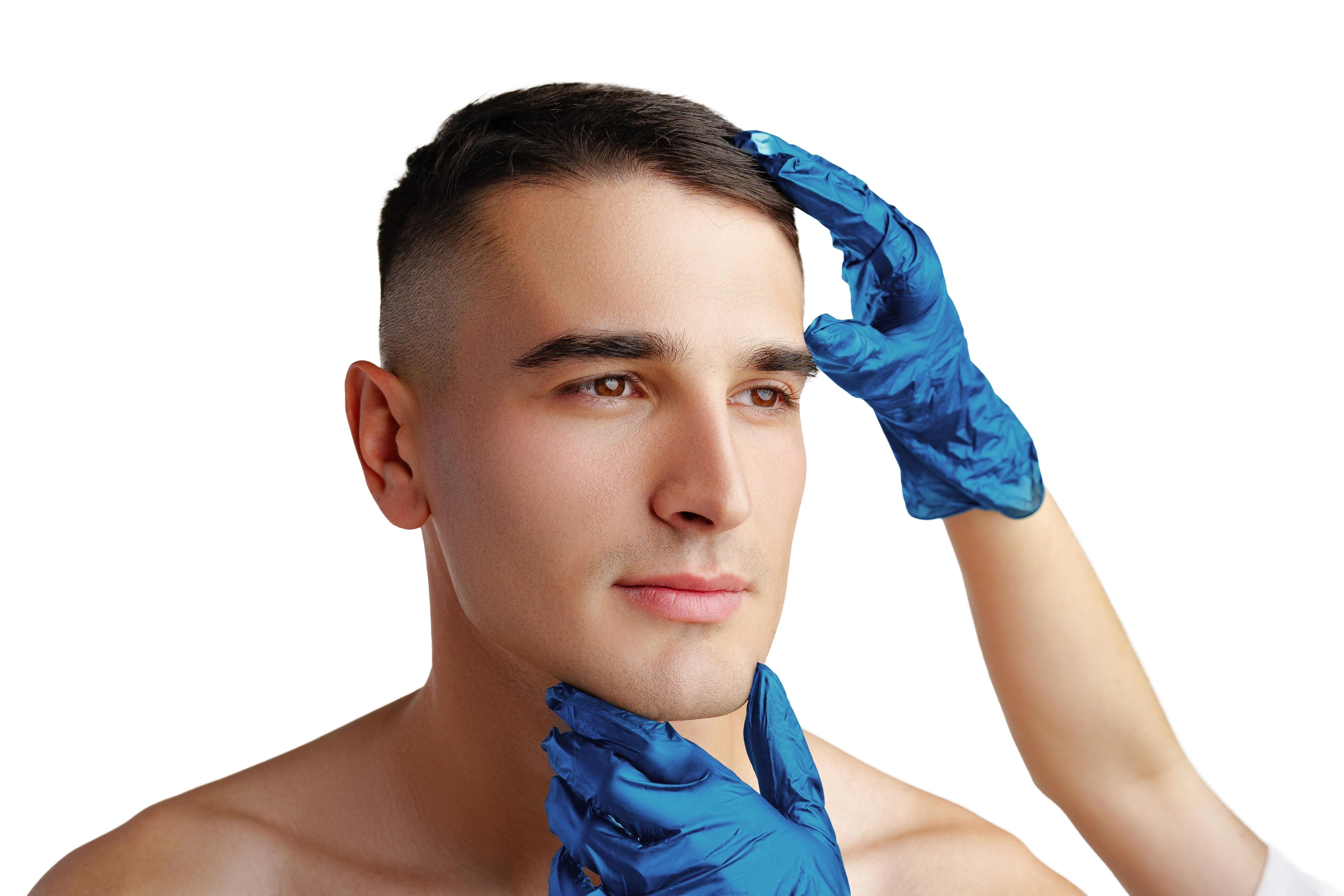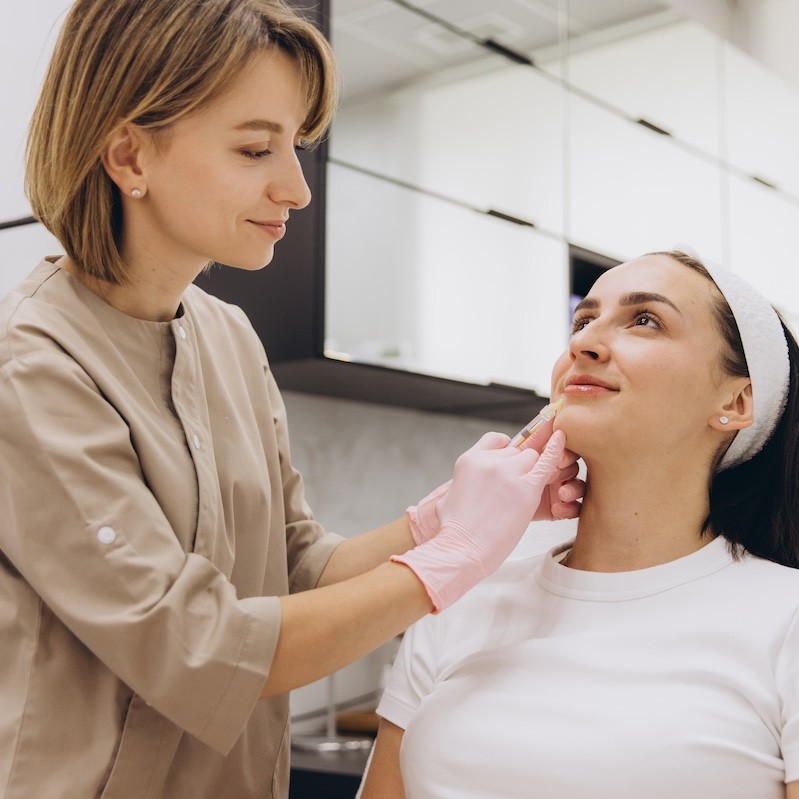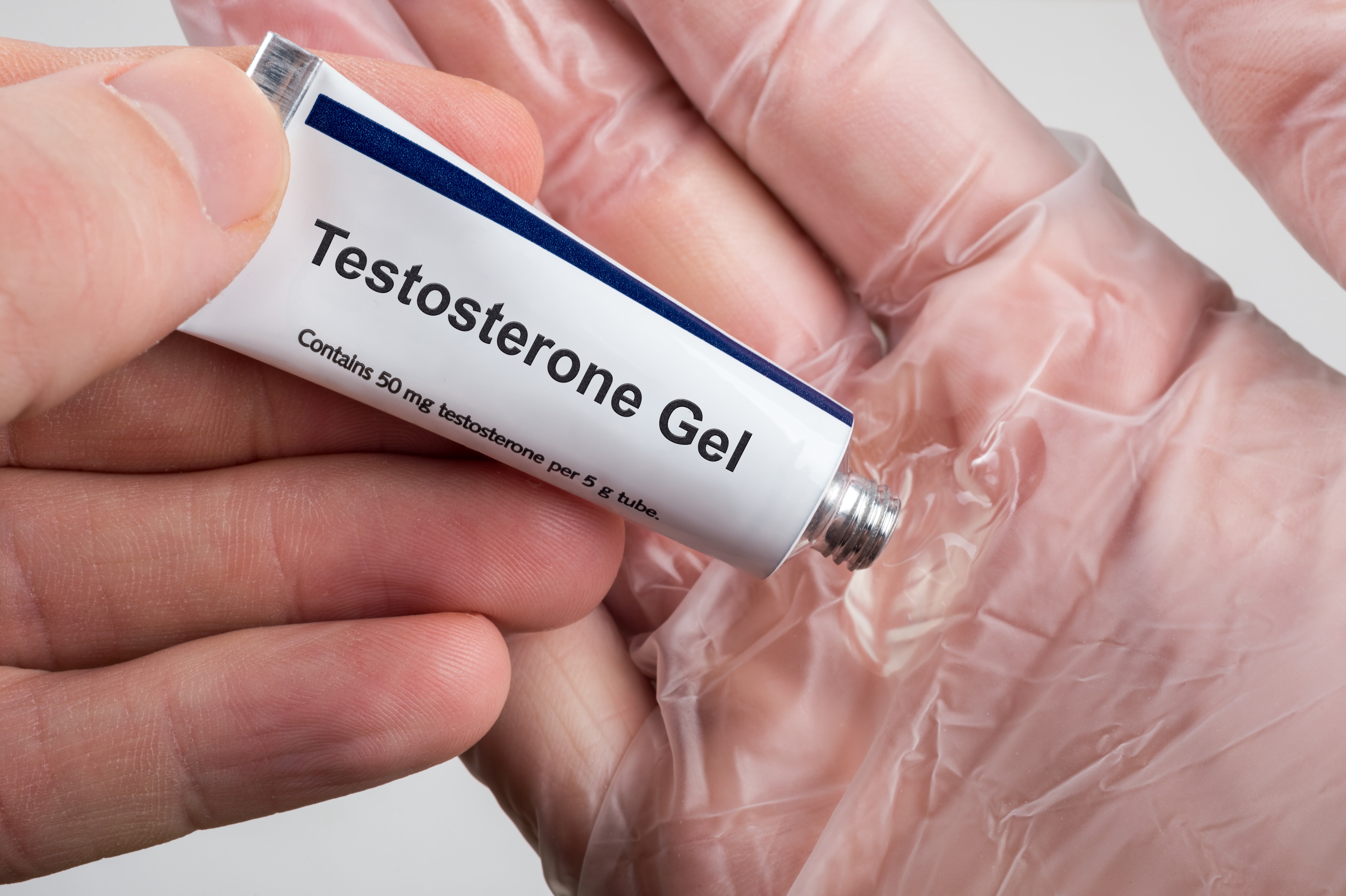
Testosterone and skin health are increasingly being discussed online, from testosterone replacement therapy (TRT) to claims that applying testosterone gel to the face can improve collagen, skin thickness and signs of ageing. But what does the science actually say about testosterone and the skin?
Testosterone is having a moment. Prescriptions for testosterone replacement therapy (TRT) have climbed sharply in both men and women over the past decade, driven by growing awareness of hypogonadism in men, a more nuanced understanding of the role androgens play in women’s health and, frankly, the rise of longevity medicine and its appetite for hormonal optimisation.
Meanwhile, on TikTok and Instagram, a parallel and rather less medically supervised conversation is underway: influencers are applying prescription testosterone gel directly to their faces, promising firmer skin, denser collagen and a jawline that defies the calendar.
These phenomena share a common premise: that testosterone is good for the skin. As with most things in endocrinology, the truth is considerably more complicated. Testosterone has real and biologically interesting effects on skin. Some of those effects may be desirable; others are not. And the gap between what the evidence actually shows and what is being confidently asserted in a 60-second video is wide enough to cause real harm.
To understand the relationship between testosterone and the skin, we need to start with the biology.
What is testosterone and where does it come from?
Testosterone belongs to the androgen family of sex hormones and is produced in all sexes, though in very different quantities. In men, the primary site of production is the Leydig cells of the testes, which manufacture around 95% of circulating testosterone, with the adrenal glands contributing the remainder. Normal total testosterone levels in adult men range from approximately 300–1000 ng/dL, peaking in the late teens and early twenties before declining gradually. Levels decline roughly 1–2% per year from the age of 30 onwards.
In women, testosterone is produced across three sites: approximately one quarter from the ovaries, one quarter from the adrenal glands and the remaining half from peripheral conversion of precursor androgens (primarily dehydroepiandrosterone, DHEA) in tissues including fat, muscle and skin. Normal female testosterone levels are substantially lower, typically 9–55 ng/dL. The decline in women is more complex: unlike oestrogen, which falls sharply at menopause, testosterone in women declines gradually throughout adulthood, beginning as early as the mid-twenties, with a further reduction after menopause as the post-menopausal ovary produces less androgen.
Before testosterone can exert its effects on the skin, a proportion of it is converted locally into the more potent androgen dihydrotestosterone (DHT) by the enzyme 5α-reductase, of which type 1 is predominantly expressed in the skin. Testosterone also serves as the obligate precursor for oestradiol via aromatase, meaning its effects in skin can be mediated through both androgen and oestrogen receptors.
How does testosterone affect the skin?
Skin is not a passive bystander in androgen biology. It contains androgen receptors across multiple cell types, including fibroblasts, keratinocytes and sebaceous gland cells, and actively metabolises testosterone and DHT.
The most clinically visible effect of testosterone on the skin is on the sebaceous glands. Testosterone and DHT stimulate sebaceous gland proliferation and sebum secretion, which is why puberty, characterised by a dramatic rise in androgens, brings increased skin oiliness and acne in the majority of adolescents. This relationship is dose-dependent and receptor-mediated.
The relationship between testosterone, collagen and skin ageing is more nuanced. At a cellular level, androgens can stimulate fibroblast activity and collagen I production in vitro. However, the picture is complicated by in vivo wound-healing data suggesting that androgens have an inhibitory effect on cutaneous repair.
Seminal work by Ashcroft and colleagues demonstrated that testosterone delays wound healing by prolonging the inflammatory phase and impairing collagen deposition in the wound bed. In elderly men, higher systemic testosterone levels correlated significantly with impaired wound healing. Castrated male animals show accelerated healing and increased wound collagen content compared with intact controls.
These apparently contradictory findings – testosterone stimulating collagen production in fibroblasts but impairing wound healing overall – likely reflect the complexity of androgen signalling. Effects differ depending on the tissue state, the local hormonal milieu and whether the primary driver is testosterone or its conversion products.
Skin thickness is generally greater in men than women, and this difference correlates in part with androgen exposure, although oestrogen and growth hormone also play roles. Male skin tends to have a thicker dermis and higher collagen density than female skin, differences that appear to be partly androgen-dependent.

What happens to the skin when testosterone declines?
The question of whether declining testosterone has clinically meaningful effects on skin separate from the much better-studied decline in oestrogen is less well answered.
In men, the gradual decline in testosterone with age, sometimes termed "andropause" or late-onset hypogonadism, is associated with reduced muscle mass, fatigue and decreased libido. Skin changes attributed to low testosterone in men include reduced dermal thickness and altered sebum production, although distinguishing androgen effects from the concurrent decline in growth hormone and IGF-1 is challenging.
In women, the clinical significance of declining testosterone is actively debated. The key functions well-supported by evidence are libido and sexual function, not the skin. There is no equivalent to the menopause-associated skin changes that have been so clearly linked to oestrogen withdrawal, including collagen loss, barrier impairment and dryness.
The evidence that declining female testosterone independently causes skin ageing is thin, and the Endocrine Society and other major bodies have not endorsed testosterone as a treatment for skin-related indications in women.
That said, some data suggest androgens may contribute to maintaining skin thickness. A study by Brincat et al. found a 48% increase in skin collagen content in women treated with oestradiol and testosterone combined for 2–10 years compared with untreated controls, although whether the benefit was attributable to testosterone, oestradiol or the combination is unclear.
Testosterone replacement therapy and the skin: what does the evidence show?
Given the biological plausibility, what do clinical data on testosterone replacement therapy (TRT) and skin actually show?
For men, a 2026 scoping review published in *Sexual Medicine Reviews* synthesised findings from 10 studies – eight prospective trials and two retrospective reviews – on the dermatological effects of TRT. The findings were sobering for those hoping for a cosmetic dividend: acne was the most common skin-related adverse effect, affecting 0.6–9.1% of participants, with the highest rates in injectable formulations.
Pruritus occurred in up to 10%, rash in up to 5.3% and abnormal hair growth in up to 5.3%. The review found no studies reporting skin rejuvenation or anti-ageing benefits of testosterone as a primary endpoint.
For women, the picture is similarly dominated by adverse effects rather than benefits. Acne and hirsutism are the most frequently reported cutaneous side effects, although at female-appropriate doses the risk is considerably lower than in supraphysiological use.
The Endocrine Society 2019 position statement endorses testosterone therapy in post-menopausal women only for hypoactive sexual desire disorder and explicitly notes the absence of safety and efficacy data for other indications, including skin. In one meta-analysis of 35 studies of TRT in women, 7% developed acne and 10.7% hirsutism.
There are a few small studies examining combined oestrogen-testosterone HRT and skin outcomes , predominantly in post-menopausal women. These show mixed signals on collagen and thickness, are confounded by the concurrent oestrogen effect and are uniformly underpowered. None compares testosterone with a retinoid, the established standard of care for skin ageing.
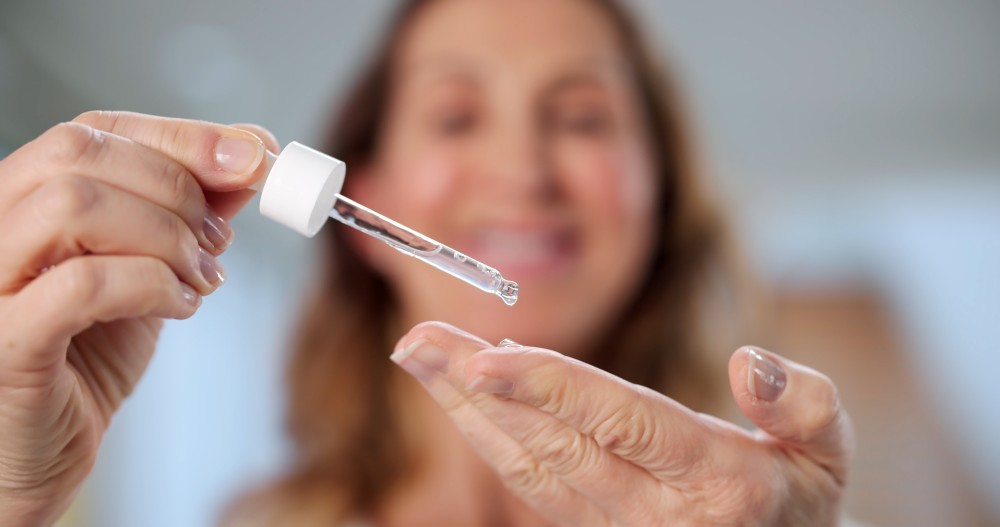
Can you put testosterone gel on your face?
The current social media iteration of this story sees influencers applying prescription testosterone gel directly to the face as an anti-ageing intervention. The logic goes: testosterone thickens skin, stimulates collagen and firms the face.
The evidence for this is essentially non-existent.
There are no published clinical trials examining topical testosterone applied to facial skin as an anti-ageing treatment . The closest data we have are from gender-affirming hormone therapy studies, which document increased skin oiliness and acne with topical testosterone, not the refined, firmed complexion promised online.
The risks are meaningful and under-discussed.
Topical testosterone applied to facial skin will, in susceptible individuals, stimulate sebaceous glands directly. This can increase skin oiliness and acne . It is the mechanism by which puberty triggers acne, and it does not become benign because the intent is cosmetic.
Can topical testosterone cause systemic effects?
Even topical application carries systemic absorption. The Medicines and Healthcare products Regulatory Agency (MHRA) prescribing guidelines flag testosterone gel transfer as a significant safety risk.
It can cause virilisation – including deepening of the voice, facial hair growth and menstrual disruption – in women and precocious puberty in children via skin-to-skin contact. Deliberate daily facial application in women amplifies this risk substantially.
Does testosterone have anti-ageing benefits for skin?
There is currently no clinical evidence that applying testosterone to the face reduces wrinkles, increases collagen or reverses skin ageing.
The wound-healing literature, if anything, cautions that supraphysiological androgen exposure may impair rather than enhance cutaneous repair.
Testosterone is also a controlled substance requiring a prescription and legitimate medical indication. Self-prescribing based on a TikTok video, or using a prescription product for an off-label cosmetic indication without medical supervision, sits in a different risk category from trialling a new skincare serum.
It is worth noting that only around 2.5% of the most viewed TikTok skincare videos are created by board-certified dermatologists; the majority are personal anecdotes from non-medical influencers. The gap between social media confidence and clinical evidence is particularly stark in the hormone space.
Does testosterone improve skin?
Testosterone has a genuine and complex relationship with skin biology, but there is currently insufficient evidence to recommend testosterone as a skin rejuvenation or anti-ageing treatment.
It influences sebum production, skin thickness and collagen metabolism. However, the net effect is not straightforwardly positive. Systemic testosterone therapy is associated with acne, oiliness and abnormal hair growth.
There is no clinical evidence that topical testosterone application to the face produces anti-ageing benefits , and there are meaningful risks including sebaceous activation, systemic absorption in women and virilisation.
For patients asking about the trend, the evidence-based answer is clear: the biology is interesting, the TikTok claims run well ahead of the science and the risks are not trivial.
If a patient has symptoms that might reflect androgen deficiency, such as reduced libido, fatigue or mood change, appropriate assessment and, if indicated, supervised hormone therapy through a qualified clinician is the correct pathway.
Rubbing testosterone gel on one's cheekbones is not.
Dr Ginni Mansberg

Dr Ginni Mansberg is a GP, TV presenter, podcaster, author and columnist. She is a physician specialising in women’s health, menopause and all things skin. She is also the co-founder and medical director of science-based cosmeceutical skincare brand, ESK.