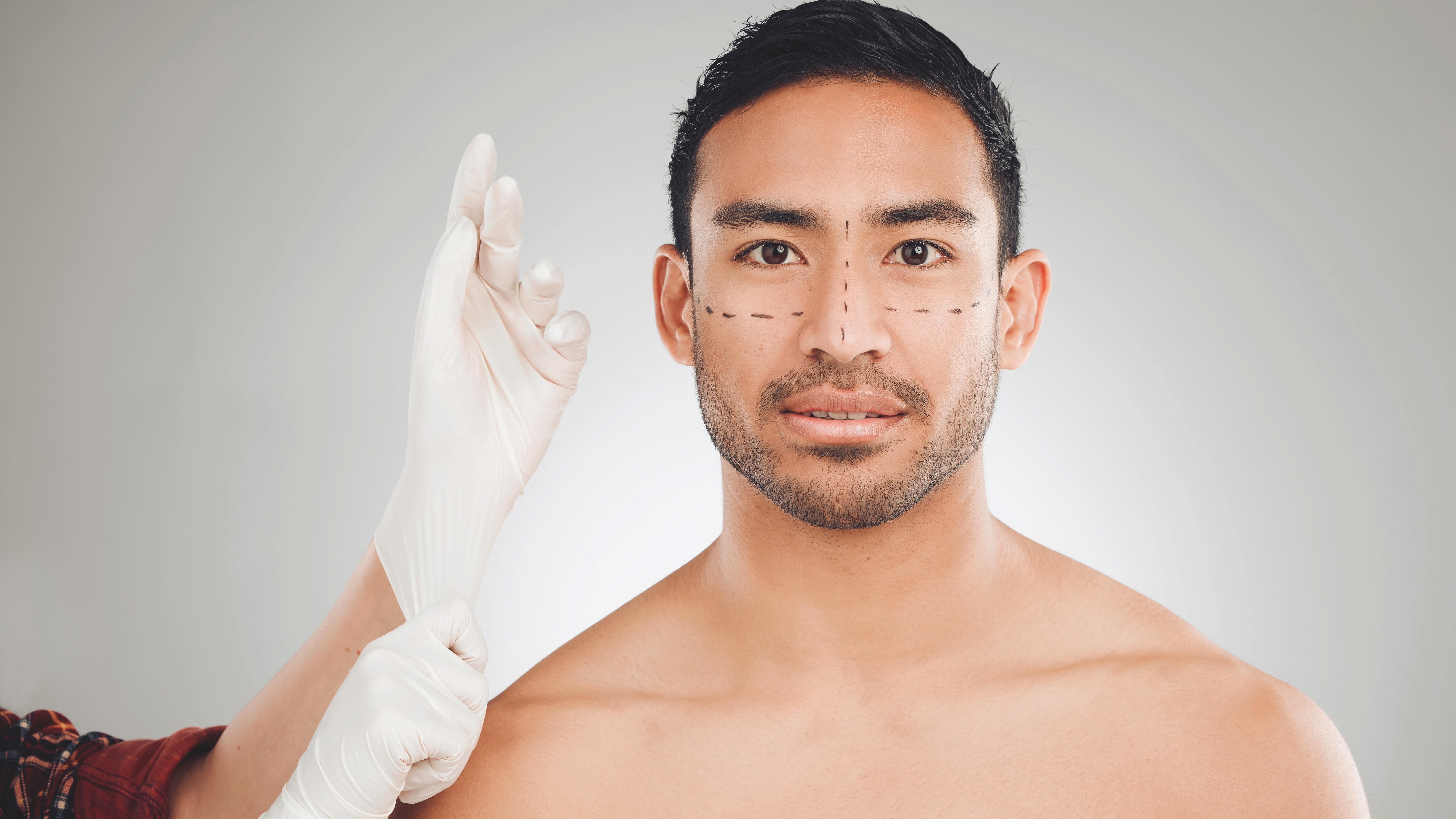
Male aesthetics is a rapidly expanding sector where consultation communication directly influences treatment outcomes and patient satisfaction.
Marketing, imagery and even product development has been largely tailored to a female audience, leaving men on the periphery, feeling that seeking treatments was somehow frivolous or taboo. Today, men are not just entering the clinic; they are actively redefining what it means to engage with aesthetic medicine.
The numbers tell a compelling story. Male spending on beauty, health, and pharmacy has surged 58.1% since 2020, outpacing women’s growth of 45.7% over the same period, according to Barclays’ 10 Years of Spend report. In the UK, men now account for nearly one in five aesthetic appointments. But what is most intriguing isn’t merely the growth in numbers; it’s why men are seeking these treatments and how they approach them, and this begins at consultation. “Where previous generations may have been deterred by social stigma, today’s male patients view these procedures through the same pragmatic lens they apply to fitness routines, career strategy or financial investments.
Are more men seeking aesthetic treatments?
There has been a fundamental shift in how men approach aesthetic treatments. Where previous generations may have been deterred by social stigma, today’s male patients view these procedures through the same pragmatic lens they apply to fitness routines, career strategy or financial investments. Treatments are considered measured investments in confidence, presence and overall wellbeing rather than indulgent or superficial luxuries.
Men value three things above all: efficiency, results, and discretion, they are drawn to treatments with minimal downtime, measurable outcomes and natural results. The question isn’t ‘will anyone notice?’ but rather, ‘will this make me look like the best version of myself without anyone being able to pinpoint why?’
How should practitioners adjust consultations for male patients?
How practitioners communicate during consultations can directly influence outcomes. Many male patients prefer a practical, solution-focused approach: they want to understand what a treatment will achieve, why it works, and how it fits into a broader plan for self-care and personal presentation. Framing treatments in terms of functional benefits such as improving skin resilience, defining the jawline, addressing tiredness under the eyes, reducing persistent redness, or tackling hair thinning resonates more than cosmetic jargon.
Clarity and simplicity are key. Male patients respond best to straightforward explanations that connect the science to visible results, rather than technical or decorative language. Subtlety is also important; men often prefer incremental improvements over dramatic change, and consultations that outline a phased, realistic plan help manage expectations while reassuring that results will feel natural.
Equally important is expectation setting. Men respond best to transparency about what a treatment can achieve, how long results last and any potential downtime. Being transparent about outcomes helps build confidence, trust, reduces uncertainty, and ensures patients are comfortable proceeding.
In my experience, consultations that combine solution-focused discussion, clear explanations, subtle planning, and realistic expectations create a strong foundation for success. They allow male patients to engage confidently, knowing the plan is tailored, science-driven, and delivered with discretion, transforming the consultation into a collaborative process that maximises satisfaction with the outcomes.
Why male patients prioritise evidence over aesthetics
The male client is less interested in trends and more invested in science-backed solutions. The global male aesthetics market reached £4.7 billion in 2025, with non-surgical procedures driving much of the growth in the UK. Treatments such as anti-wrinkle injections, skin boosters, regenerative therapies, targeted redness treatments and hair restoration protocols have surged in popularity, while traditional surgery remains relatively static.
The male clients I see are incredibly well-researched, they come prepared with questions about mechanisms of action, longevity of results and treatment protocols. Their approach is clinical rather than cosmetic and they want to understand exactly what’s happening and why it works.
Cellular-level regenerative interventions such as Polynucleotides as well as bio-stimulatory peptides and PRP (platelet-rich plasma) stimulate the body’s own repair mechanisms, enhancing skin quality and texture naturally, appealing to men who value addressing causes rather than symptoms, because they are subtle, natural and effective over the long term.
How to tailor treatments for male skin
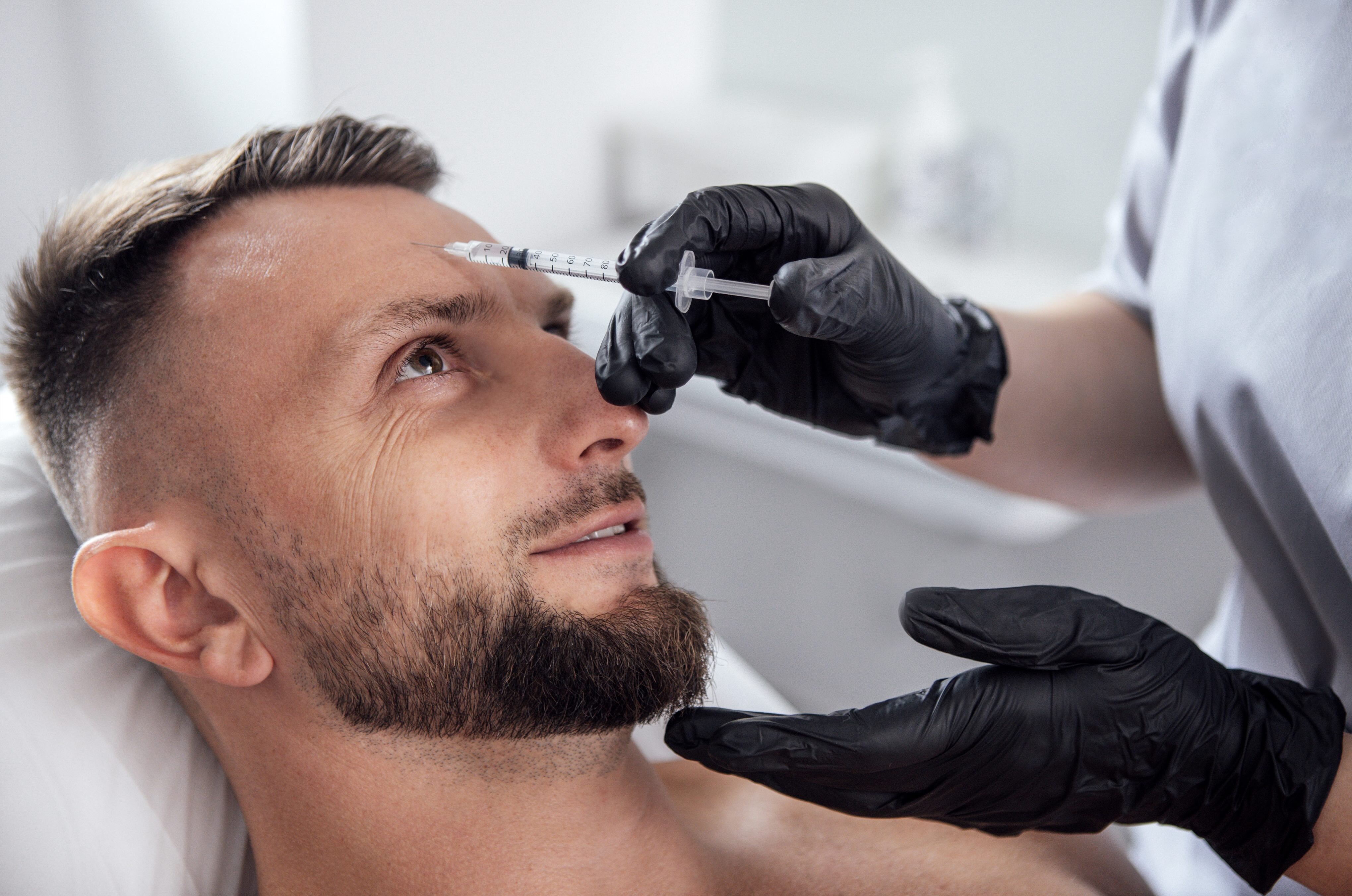
Non-surgical facial contouring has emerged as a particular focus. Treatments targeting jawline definition, cheek volume and subtle under-eye rejuvenation remain highly sought after, but increasingly, men are also presenting with concerns around persistent redness and hair thinning or loss, both of which can significantly impact confidence and self-perception. The goal is rarely transformation; instead, men are seeking outcomes that enhance confidence, sharpness and approachability.
Male skin has unique characteristics, including oilier skin, textural irregularities, a propensity for pigmentation issues and persistent redness or flushing. Consequently, professional-grade treatments tailored specifically for these concerns rather than generic luxury facials align perfectly with results-driven expectations.
Complementing contouring, regenerative skincare protocols are increasingly popular. Skin boosters, PRP, microneedling with growth factors, and peptide-based therapies improve texture, hydration, and elasticity, working with the skin’s natural repair mechanisms rather than against them. Targeted laser and light-based treatments are also proving highly effective for men presenting with redness and vascular concerns, while PRP and polynucleotide-based therapies are gaining traction for hair thinning and loss, stimulating follicular regeneration at a cellular level. Combined approaches such as jawline definition paired with skin boosters ensure outcomes are subtle, refreshed and long-lasting.
The future of male aesthetics
Looking ahead, the male aesthetics market is poised for further growth. Non-surgical treatments will continue to dominate, but regenerative therapies, advanced skin health interventions, and personalised protocols will play an increasingly central role. Men no longer need to justify self-care, they expect it.
Delivering science-driven, authentic results requires recognising that each male patient brings a unique combination of goals, concerns and expectations. Subtlety, discretion and regenerative strategies are key to achieving outcomes that enhance appearance without compromising natural masculinity.
The conversation has finally shifted. Men have always cared about how they present; they’ve simply needed the industry to speak their language… Results, science and efficiency rather than embarrassment or superficiality. That language is here, and it’s reshaping aesthetic medicine for good.
Emma Wedgwood
Emma Wedgwood is an Advanced Nurse Practitioner and Independent Prescriber with over 20 years at the forefront of medical practice. Following an extensive career in intensive care within the NHS, where she honed her precision and calm under pressure, Emma transitioned to aesthetic medicine in 2018, bringing her clinical precision and medical expertise to the field. A foundation of medical rigour now underpins her integrated approach to skin rejuvenation and facial harmony.