
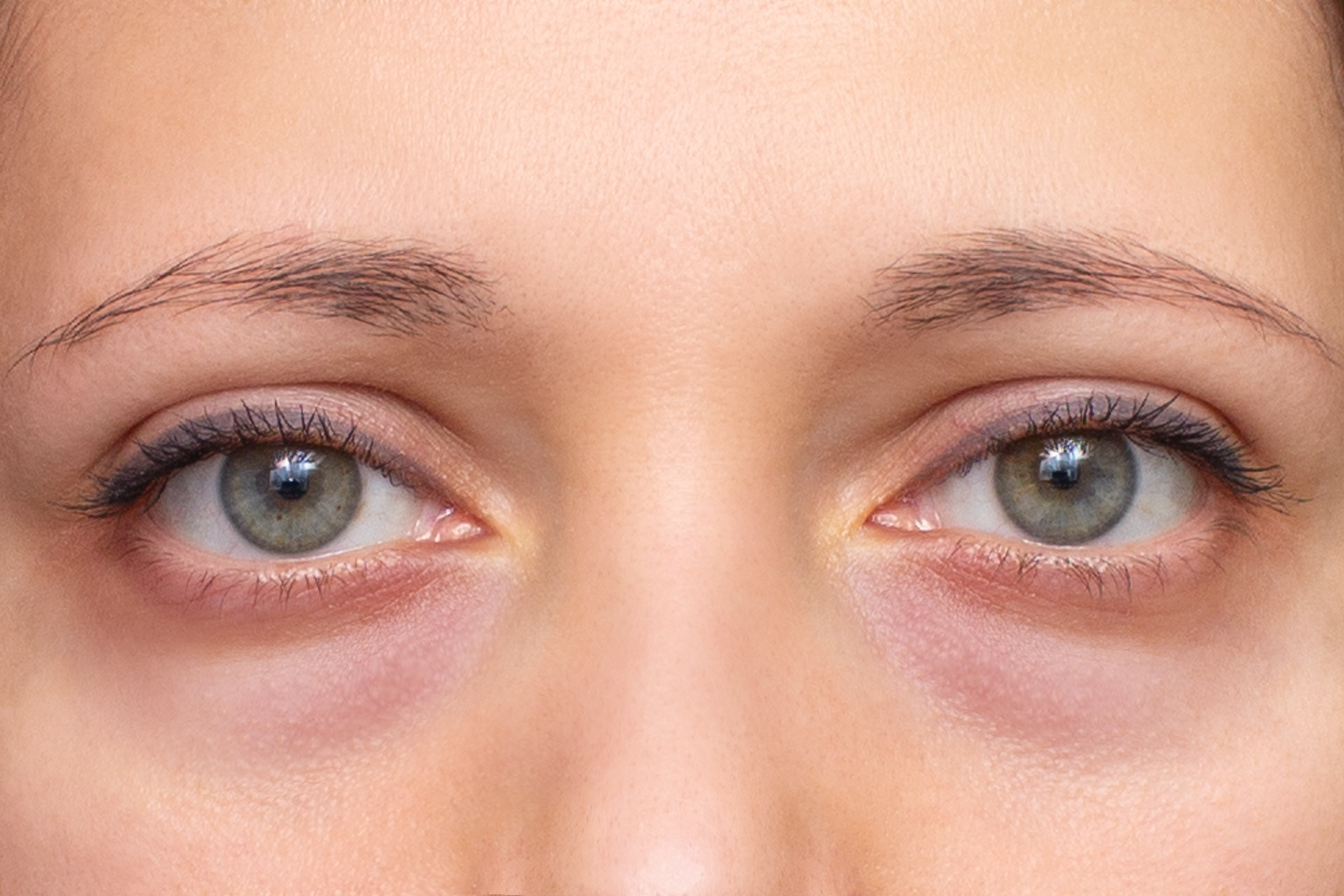
The term “ferritin face” is the latest diagnosis circulating on social media. Content creators are linking dark circles, pale skin and brittle hair and nails to low iron levels. But is ferritin face a recognised clinical diagnosis or simply another TikTok fad? We asked aesthetic experts to weigh in.
What is ferritin?
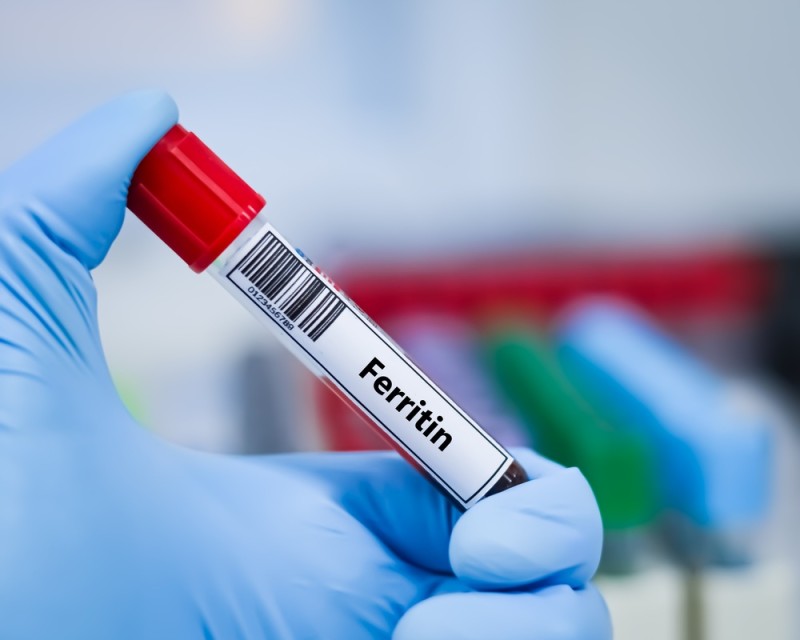
Ferritin is a specialized protein inside your cells that stores iron and releases it when your body needs it.
Ferritin is a blood protein that stores iron, releasing it when it needs to make new red blood cells.
When your ferritin stores drop, you may experience fatigue, dizziness or headaches, shortness of breath or heart palpitations, trouble concentrating, mood changes and hair shedding, brittle nails, or dry skin.
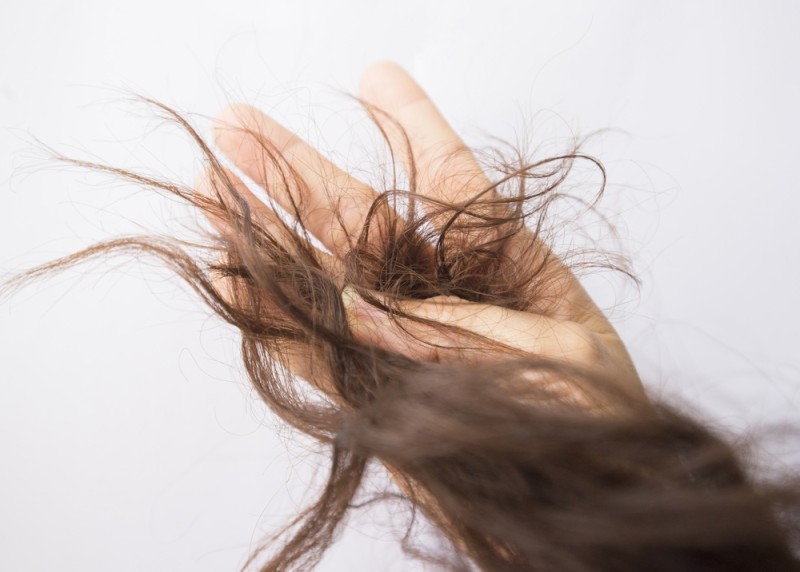
What is “ferritin face” and can low iron influence your appearance?
So, can low iron really change your appearance and cause “ferritin face”?
Consultant dermatologist Dr Sidra Khan shares her expertise: “When iron runs low, the complexion can turn pale, dull and a little lacklustre, and the skin may feel drier or heal more slowly than usual.
“The most striking change tends to be the hair, because low iron can push more of it into a shedding phase, so people notice it coming out in the brush or shower and any existing thinning can speed up. The nails often suffer too, becoming weak, ridged and prone to breaking and in more established deficiency they can flatten or scoop into a spoon shape.”
“A telltale sign is paleness in the lips and the delicate skin just inside the lower eyelid, which loses its usual healthy pink, often alongside a washed-out look and darker shadows under the eyes,” adds Dr Khan.
“If you are noticing more shedding or a change in your skin on top of that kind of bone-deep tiredness, it is well worth asking your doctor to check your iron rather than reaching for yet another hair or skin product.”
Referencing the “ferritin face” trend specifically, Dr Khan emphasises that there is not any clinical evidence linking these specific facial features to low ferritin or iron deficiency.
“Pallor (abnormal loss of color from the skin or mucous membranes) is a recognised sign of anaemia, and low ferritin is well linked to hair shedding, but features like dull skin and dark circles are non-specific and are not an evidence-based diagnostic sign of iron deficiency.”
She adds that there are plenty of other conditions that can cause similar visual changes.
“Dullness, tiredness and dark circles can equally stem from poor sleep, stress, dehydration, thyroid problems, other nutrient deficiencies, allergies, or simply genetics and ageing, which is precisely why appearance alone cannot pinpoint the cause.”
This is why it is important to seek medical advice from a GP or other medical professional if you notice unexplained changes to your skin, hair or nails, rather than trying to self-diagnose based on appearance alone.
Blood tests can help establish whether iron stores are depleted and identify whether iron deficiency anaemia is present, while further investigations may be needed to determine the underlying cause.
For aesthetic practitioners, this is an important distinction when assessing patients who present with concerns about dull skin, dark circles or hair thinning.
While these changes may prompt a conversation about general health, they should not be attributed to iron deficiency without appropriate medical assessment.
Practitioners should recognise when a concern falls outside their scope of practice and signpost patients to their GP for further investigation, rather than attempting to address potentially underlying health issues through aesthetic treatments or skincare recommendations.
What causes low iron?
Low ferritin means your body's stored iron is depleted, which can lead to iron deficiency anaemia if left untreated.
Common causes of low iron include an inadequate dietary intake, particularly a lack of iron-rich foods, and increased iron requirements during periods of rapid growth, pregnancy or breastfeeding.
Blood loss, including heavy menstruation and gastrointestinal (GI) bleeding, can also deplete iron stores.
Certain underlying health conditions may further affect iron absorption and regulation. These include coeliac disease, inflammatory bowel disease (IBD) and gastritis, which can impair iron absorption, as well as chronic kidney disease and thyroid disorders, which may affect iron levels.
How can low iron impact women?
Women can be particularly susceptible to low iron due to a combination of biological factors and life stages that increase the body's iron requirements.
“For women specifically, menstruation means a steady monthly loss of iron that men simply don’t have, so reserves are more easily run down,” explains consultant gynaecologist Dr Lamia Zafrani.
“It becomes particularly relevant in the perimenopausal years, when periods can often become heavier and sometimes more sporadic, and I regularly see iron stores depleted in otherwise fit and healthy women. After menopause, those monthly losses stop, but stores run down over years can persist, and any new iron deficiency then deserves proper attention rather than being brushed off.”
What should patients do if they suspect they have low iron?
Dr Khan warns patients against self-diagnosing from videos alone, but encourages those who have been prompted to think about their health to visit their GP.
“Remember that your appearance can offer clues about your internal health but it cannot give you a diagnosis on its own.”
“The first step is to see your GP and specifically ask for a ferritin test alongside a full blood count, rather than guessing or reaching straight for supplements off the shelf, because iron taken unnecessarily isn’t harmless and you need to confirm what you are working with first,” says Dr Zafrani.
“Just as importantly, the cause needs identifying, not simply the number corrected. In menstruating women that is most often heavy periods, which are very treatable, and tranexamic acid is often prescribed to reduce blood loss during a period.
“I frequently see patients taking prescription iron such as ferrous fumarate, but whose monthly blood loss is effectively outpacing the iron they are taking in, so their ferritin stays low. In postmenopausal women, unexplained iron deficiency should always be investigated properly, because it can occasionally be the first sign of something in the gut that needs ruling out. My rule is simple: treat the why, not just the result.”
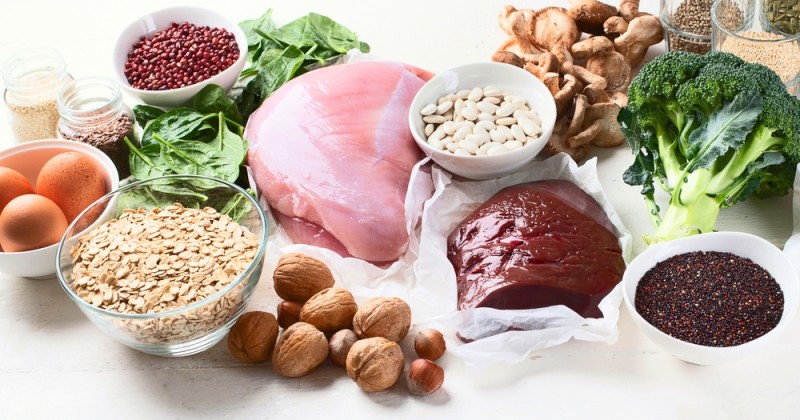
How to increase and maintain iron levels
Iron levels can often be supported through diet and a few simple changes to eating habits, but knowing which foods provide iron and how to improve its absorption is key to preventing deficiency.
“Start with your diet, drawing iron from both animal sources, where red meat is the most readily absorbed form, and plant sources such as pulses, leafy greens and fortified cereals,” says Dr Zafrani.
“A simple trick that genuinely helps is to pair iron-rich foods with a source of vitamin C, which boosts absorption, while keeping tea and coffee away from mealtimes, as they hinder it.
“If your periods are heavy, getting that assessed and managed will do far more for your iron levels than any supplement ever could, and if you do need iron tablets, take them under guidance and have your levels rechecked after a few months, because more isn’t always better. The aim is to refill the tank steadily and then keep it topped up, not to megadose and hope.”
The dangers of social media misinformation
“Ferritin face” is just the latest in a growing list of appearance trends circulating on social media.
“It is visual, relatable and offers a simple explanation for very common complaints like tiredness and dull skin, which makes it extremely shareable. It also taps into a genuine, growing interest in "inside out" health, and resonates with many women whose symptoms have historically been brushed off,” explains Dr Khan.
But it is another example of how social media can spread misinformation and potentially harmful ‘diagnoses’.
“The main risks are people self-diagnosing, missing another underlying cause, and either taking iron they do not need, which is not harmless, or developing unnecessary anxiety about their appearance. Presenting a non-specific look as a diagnosis can ultimately delay someone getting properly assessed.”
For practitioners, this is a growing trend. “Patients often arrive having already self-diagnosed from social media with a specific product or treatment in mind, and a growing part of the consultation is gently unpicking that and getting them onto evidence-based ground,” shares Dr Khan.
How should aesthetic practitioners respond to patients presenting with “ferritin face”
When it comes to low ferritin, Dr Khan emphasises the importance of signposting to their GP for blood tests.
“It is also a moment to resist offering a cosmetic treatment as a fix for what may be an underlying medical problem,” she adds.
“We have a duty to be balanced, neither dismissing a trend outright nor amplifying the hype, but acknowledging any genuine kernel of truth while correcting the oversimplification. That means being honest about the limits of the evidence and steering people towards proper assessment rather than fear or quick fixes.”
Connie Cooper
Connie Cooper is the editorial assistant across both Aesthetic Medicine and Professional Beauty magazines. She covers the latest news and emerging trends, and regularly speaks with leading experts across the aesthetics and beauty industries. Contact her at connie.c@thepbgroup.com