

Originally posted on Professional Beauty: What UK skin professionals can learn from South Korea’s prevention-first approach to skin health
South Korea’s skincare culture is built around early intervention, regular maintenance and daily protection. But which elements should UK practitioners embrace – and where does prevention risk becoming over-treatment?
In South Korea, skin health is rarely presented as something to address only after a problem becomes visible. Daily sun protection, regular professional care and early attention to changes in the skin are treated as long-term maintenance rather than emergency repair.
That philosophy was a recurring theme during my recent visit to South Korea for the seventh PharmaResearch Global Symposium. Although the event focused substantially on regenerative aesthetics and injectable polynucleotides, its wider message extended beyond any single treatment or product: contemporary aesthetic medicine is increasingly interested in preserving skin function, resilience and quality, not simply correcting visible signs of ageing.
“We’re moving towards an age where we’re looking more at skin longevity,” said Dr Michael Kim, chief medical officer and executive managing director of medical strategy at PharmaResearch. “It’s not just about treating the signs of ageing or symptoms we see, but moving into prevention.”
For UK aesthetic professionals, the useful lesson is not that patients need to begin having increasingly advanced treatments at younger ages. It is that consistent, individualised and evidence-informed care may achieve more than intermittent attempts to reverse accumulated damage.
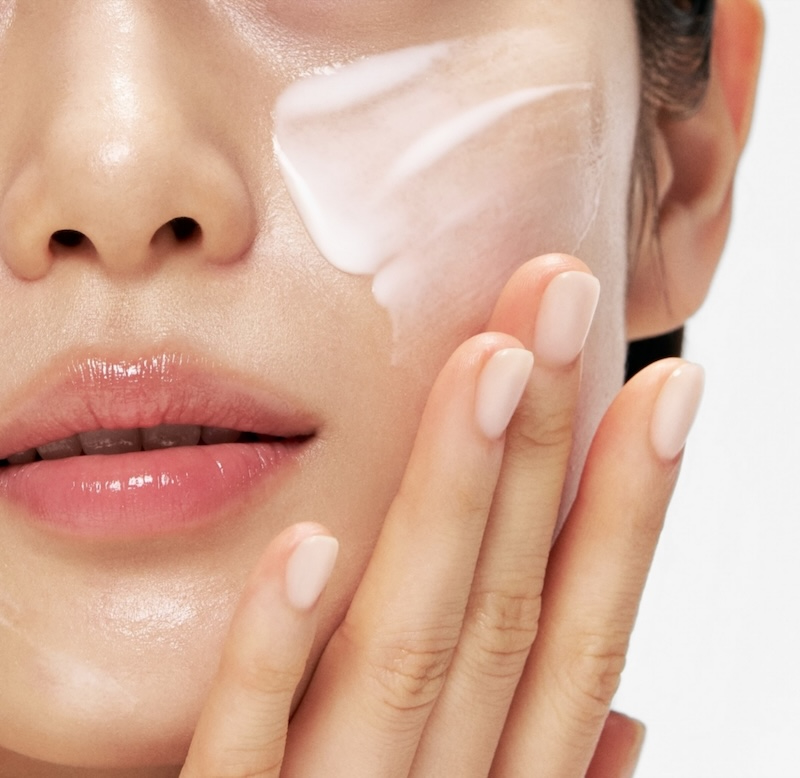
Maintenance before correction
Dr Kim described a shift from “rejuvenation” towards “pre-juvenation”, with Korean consumers often engaging with skincare clinics and professional services earlier than their UK counterparts.
Importantly, this does not necessarily mean medical intervention. When discussing young people’s exposure to professional skincare, Kim explicitly distinguished facials and skincare advice from injectable procedures.
“One difference is when they start going to see a doctor, skincare specialist or skincare therapist,” he said. “In Korea, it’s very commonplace to start earlier rather than later.”
This approach reframes the role of a skin professional. Instead of being visited only when a client develops persistent pigmentation, sensitivity, acne or pronounced ageing concerns, the therapist can become a source of continuing education: reviewing skin changes, correcting inappropriate routines and helping clients protect healthy function.
The commercial infrastructure surrounding skin services also reflects that culture. During my time in Seoul, I visited Unni Guide, a beauty and aesthetics concierge service designed partly for international visitors. Clients can receive an initial consultation before being matched with clinics and practitioners according to their concerns, preferences and budget. The service also offers appointment booking and interpretation support.
It is one example of how South Korea’s beauty and medical-tourism sectors have made accessing professional advice relatively straightforward. According to South Korea’s Ministry of Health and Welfare, the country received 2.01 million overseas patients in 2025, up from 1.17 million in 2024. Dermatology accounted for approximately 1.31 million recorded specialty visits, with Seoul attracting the majority of overseas patients.
These figures include medical and aesthetic services beyond the scope of beauty therapy, but they demonstrate the international demand that now exists around Korean skin expertise.
For UK salons, the more transferable point is the value of guidance. Patients do not always need more treatments; frequently, they need help navigating an overwhelming market and identifying what is appropriate for their skin.
Build the basics before adding trends
South Korea is associated with elaborate routines, innovative ingredients and rapid product launches, but the most valuable parts of its approach are also the least fashionable: daily sunscreen, hydration, barrier care and consistency.
Kim described skin longevity as a combination of professional intervention, topical support and wider lifestyle factors.
“We also have to treat the skin barrier, which is on the outside,” he said, also highlighting diet, exercise, pollution and UV exposure as factors affecting skin health.
The importance of photoprotection is supported by more than cultural observation. In a randomised controlled trial involving 903 adults, participants assigned to daily broad-spectrum sunscreen use showed 24% less skin ageing over four and a half years than those who used sunscreen at their own discretion.
That gives therapists a strong basis for positioning SPF as a year-round skin-health measure rather than an optional anti-ageing product or something reserved for holidays. It also makes sunscreen adherence an important subject for every consultation, particularly where a client is investing in treatments for pigmentation or signs of photodamage.
However, it would be a mistake to assume that every Korean consumer follows perfect sun-protection habits. A study involving 1,173 dermatology patients across 11 Korean hospitals found that knowledge and behaviour varied between demographic groups, with some photoprotection practices remaining inadequate.
The lesson is therefore not to imitate an idealised version of Korean skincare. It is to make daily protection easier for each client by recommending textures they will use, explaining application clearly and checking adherence at subsequent appointments.
Barrier health should be approached in the same way. A strong professional plan may sometimes involve removing products rather than adding them. Gentle cleansing, suitable moisturisation and fewer irritants can provide a more useful foundation than a crowded routine of fashionable actives.
This is particularly relevant as ingredients originating or popularised in Korea – including PDRN, exosomes and spicule-based products – attract UK interest. Therapists should assess the finished formulation, intended use and supporting evidence rather than allowing the popularity of an ingredient to determine the treatment plan.

Make consultation the service, not merely the prelude
The concierge model I encountered in Seoul also highlighted the value consumers place on being directed towards the right service.
UK practitioners may not be coordinating a medical-tourism itinerary, but they can adopt the same principle on a smaller and more professionally appropriate scale. A thorough consultation should identify the patient’s priority, treatment history, current products, tolerance, lifestyle, expectations and available budget before a course is recommended.
That can be followed by a phased plan: stabilising the barrier first, introducing one change at a time and reviewing the response before increasing treatment intensity.
This approach is particularly valuable when a patient arrives requesting something seen on social media. The question should not simply be, “Can I offer this treatment?” but, “Is this the most suitable way to address what the patient wants to change?”
Regular reviews also make prevention more tangible. Consistent photography, treatment records and agreed measures can help distinguish genuine progress from fluctuations caused by lighting, hydration or inflammation.
Kim acknowledged that this remains a challenge even within aesthetics. “The trend has already moved to skin quality, but the assessment has not followed,” he said, noting that changes in hydration, elasticity, redness, pigmentation and pores can be difficult to capture through standard photography.
Beauty businesses do not need expensive diagnostic technology to improve their monitoring, but they do need consistency. Images should be taken in similar lighting and positioning, while subjective outcomes – comfort, sensitivity, oiliness or how frequently a condition flares – can be documented alongside visible changes.

Consistency does not mean constant intervention
A prevention-first model can become problematic if “maintenance” is interpreted as an instruction to treat continuously.
South Korea’s fast-moving beauty sector is often admired for its innovation, but it also exists within a culture where appearance can carry significant social pressure. Research involving Korean adolescents has explored the relationship between body image, media influence, self-esteem and perceived need for cosmetic procedures, illustrating why early beauty engagement cannot be treated as automatically positive or harmless.
The growth of sophisticated skincare among children and teenagers creates a similar concern. The American Academy of Dermatology recommends a simple routine for tweens: gentle cleansing, fragrance-free moisturiser and broad-spectrum SPF 30 or higher. It advises against ingredients such as retinoids, exfoliating acids and vitamin C unless there is a specific clinical reason for their use, as young skin may experience irritation without receiving a meaningful benefit.
A 2026 survey of dermatologists adds weight to that warning. Of the clinicians surveyed, 91.6% expressed concern about multi-step routines among children and adolescents, while 88.1% regularly encountered skincare-related problems including irritant eczema, perioral dermatitis, allergic contact dermatitis and acne associated with cosmetic products. Retinoids, acids and fragrance were among the commonly implicated product features.
Kim also acknowledged the risk of taking prevention too far. “There’s always the extreme, and we need to avoid the extremes on that spectrum,” he said.
For practitioners, this is where professional judgement matters. Prevention should mean reducing avoidable damage and supporting healthy function – not creating fear of normal ageing, encouraging dependence on treatments or giving young patients adult anti-ageing routines.
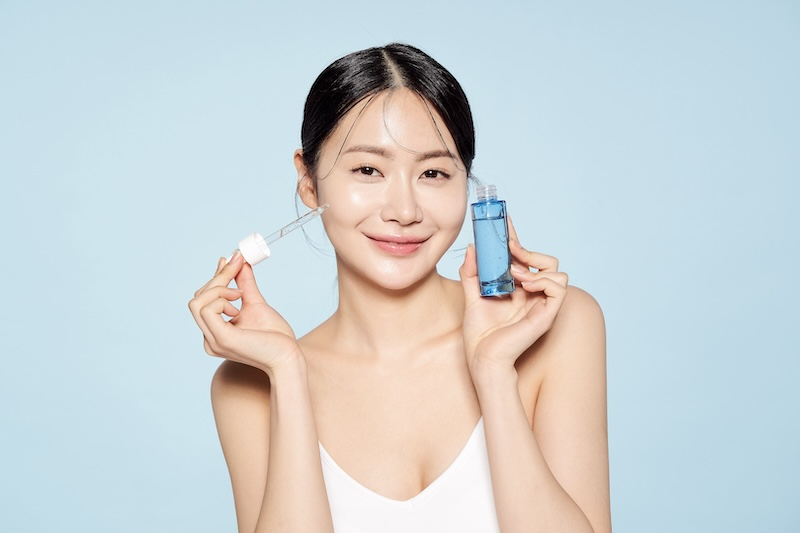
Seven lessons UK aesthetic professionals can adopt
South Korea’s approach cannot simply be copied and pasted into the UK market, but several principles translate well:
- Position professional skincare as ongoing education. Encourage periodic skin reviews rather than waiting until a concern has become severe.
- Make SPF and barrier support the foundation. Advanced treatments cannot compensate for a routine that repeatedly exposes or irritates the skin.
- Prioritise consistency over novelty. A simple plan a client follows is more valuable than an ambitious routine they abandon or misuse.
- Treat the consultation as a paid area of expertise. Product editing, routine planning and appropriate referral all have professional value, even when no treatment is performed that day.
- Introduce changes in stages. Phased plans make it easier to assess tolerance, identify irritants and avoid unnecessary treatment stacking.
- Measure what matters. Use repeatable photography and written records, but include comfort, function and confidence rather than relying only on visible “before and after” transformation.
- Keep prevention ethically proportionate. Do not turn normal texture, movement or ageing into conditions requiring correction, and keep advice age-appropriate.
The strongest lesson from South Korea is not that more skincare is always better – it's that looking after the skin works best as a consistent relationship between daily habits, informed professional guidance and appropriately timed treatment.
For UK professionals, prevention-first practice should ultimately help clients need less corrective intervention – not give them more reasons to feel that healthy, functioning skin is inadequate.
Ellen Cummings travelled to South Korea as a guest of PharmaResearch and Rejuran; flights, accommodation and itinerary activities were provided.

Ellen Cummings
Ellen Cummings is a freelance journalist and former deputy editor of Professional Beauty, specialising in the beauty, aesthetics, spa and wellness industries. With experience covering industry regulation, business developments, skincare and professional treatments, she produces expert-led features informed by interviews with leading brands, practitioners and industry organisations. Her work has appeared in Professional Beauty and Aesthetic Medicine.