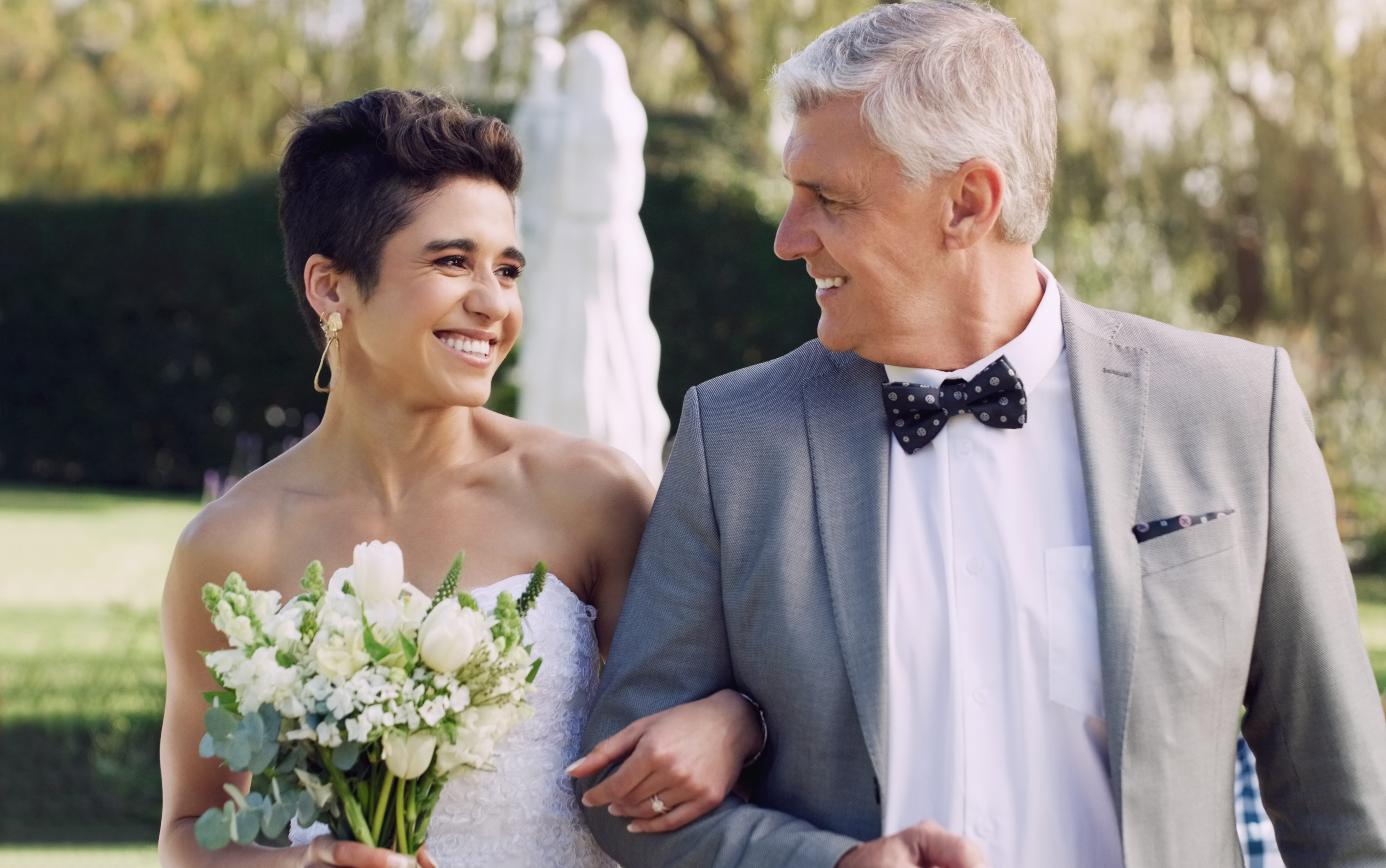
An interesting nuance is emerging in aesthetic medicine as more men seek treatment ahead of weddings and other significant life events. Emma Wedgwood notes how in her own practice, she has increasingly noticed men booking consultations and treatments in the run-up to weddings.
I have come to think of this as the ‘Father-of-the-Bride Effect’. It is not a formal clinical trend, but rather, it is an observation from my own clinic that I believe reflects a much broader and measurable shift in the male aesthetic patient. In my own practice, male patients now account for approximately 22% of new consultations, compared with 11% three years ago. In the past 12 months alone, I have seen a 7% increase in male bookings, with a notable proportion citing an upcoming wedding as the primary driver for their first consultation.
The timing is interesting. Weddings create a very specific moment when people become more conscious of their appearance, particularly when they know they will be photographed extensively and want to look their best for the big day. For some men, this can be the catalyst to finally address concerns they may have been considering for some time.
It is often not about wanting to look younger or fundamentally different. More commonly, men want to look ‘well’ e.g. refreshed, rested and healthy at a moment that is personally significant to them.
A growing patient group
This observation sits within a wider and measurable growth in male demand for non-surgical aesthetics.
According to the International Society of Aesthetic Plastic Surgery's (ISAPS) 2024 Global Survey, men accounted for 14.3% of all non-surgical aesthetic procedures worldwide. Among male patients, the leading non-surgical procedures included botulinum toxin, hyaluronic acid, and non-surgical skin tightening.
The data is significant because it demonstrates that male aesthetics is not so much of a niche area of the industry. Men are becoming an increasingly important patient group, and their expectations are evolving alongside this growth.
Subtle is the objective
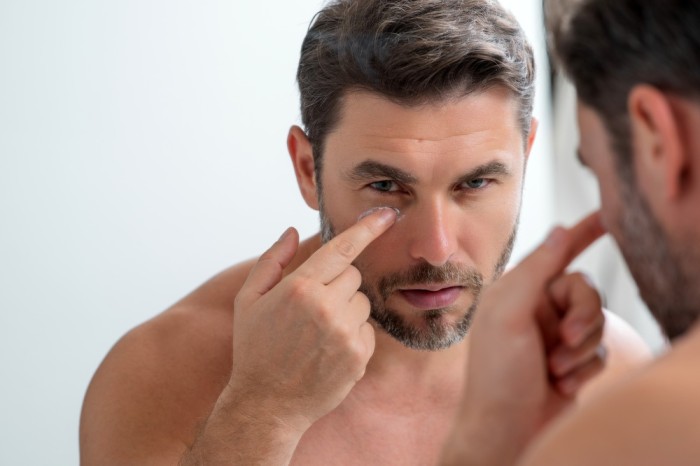
In my experience, male patients tend to favour subtle, natural-looking outcomes. They are generally not looking for a dramatic transformation, but for improvements that help them appear healthier and more refreshed. Common concerns include under-eye tiredness, dullness, loss of skin vitality, uneven skin tone and the visible effects of stress, poor sleep and lifestyle.
This is an important distinction when considering the male aesthetic patient. The desired outcome is often about maintaining recognisable facial characteristics while improving overall skin quality and vitality.
The wider cultural shift
The rise in male aesthetics is therefore not simply about men becoming more interested in their appearance. It reflects a wider cultural shift in which conversations around male skincare, health, longevity and self-care have become increasingly normalised.
What has changed is the openness around it. Men are more willing to seek professional advice, and increasingly want treatments that are discreet, evidence-led and compatible with their lifestyles. The objective is often to look like a better version of themselves, rather than to look as though they have had treatment.
A changing patient profile
What I find particularly interesting about this trend is that many of these men are not necessarily established aesthetic patients. The wedding can be the catalyst for a first consultation, an event that prompts them to consider their skin and appearance in ways they may not previously have.
That creates an interesting dynamic for the industry. The growth of the male aesthetic market is not simply about existing patients increasing their treatment frequency; it is also about a new demographic becoming more willing to engage with aesthetic medicine.
The challenge and opportunity for practitioners is understanding what this patient group is looking for. Male patients are not a homogeneous group, but clear themes are emerging around subtlety, skin quality, and maintaining a natural appearance. The ‘Father-of-the-Bride Effect’ is therefore an interesting lens through which to view a much broader shift in male aesthetics. The wedding may be the immediate trigger, but the underlying drivers are wider: greater acceptance of male aesthetics, increased interest in preventative skin health and a growing willingness among men to invest in how they look and feel.
As the male patient becomes an increasingly meaningful part of the aesthetic market, understanding these motivations will be important in shaping how the industry approaches this evolving demographic.
Emma Wedgwood
Emma Wedgwood is an advanced nurse practitioner and independent prescriber with over 20 years of medical expertise. Following an extensive career in NHS intensive care, she transitioned to facial rejuvenation in 2018, bringing clinical precision to skin health. Emma holds an MSc in Cosmetic Medicine and serves on the board of the British Association of Medical Aesthetic Nurses. She is a KOL and expert trainer for Croma in polynucleotides.