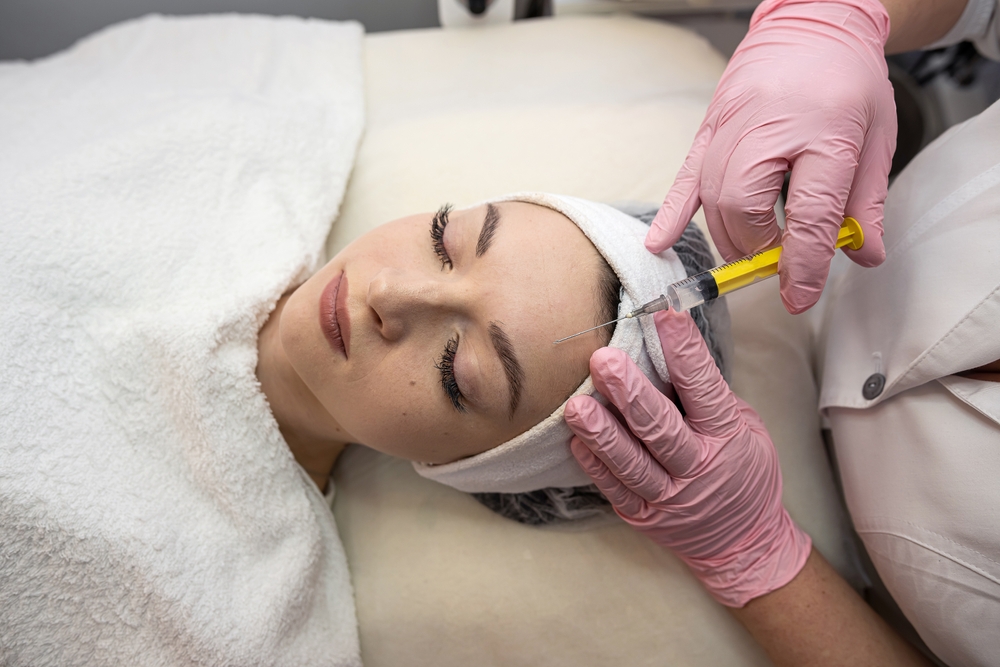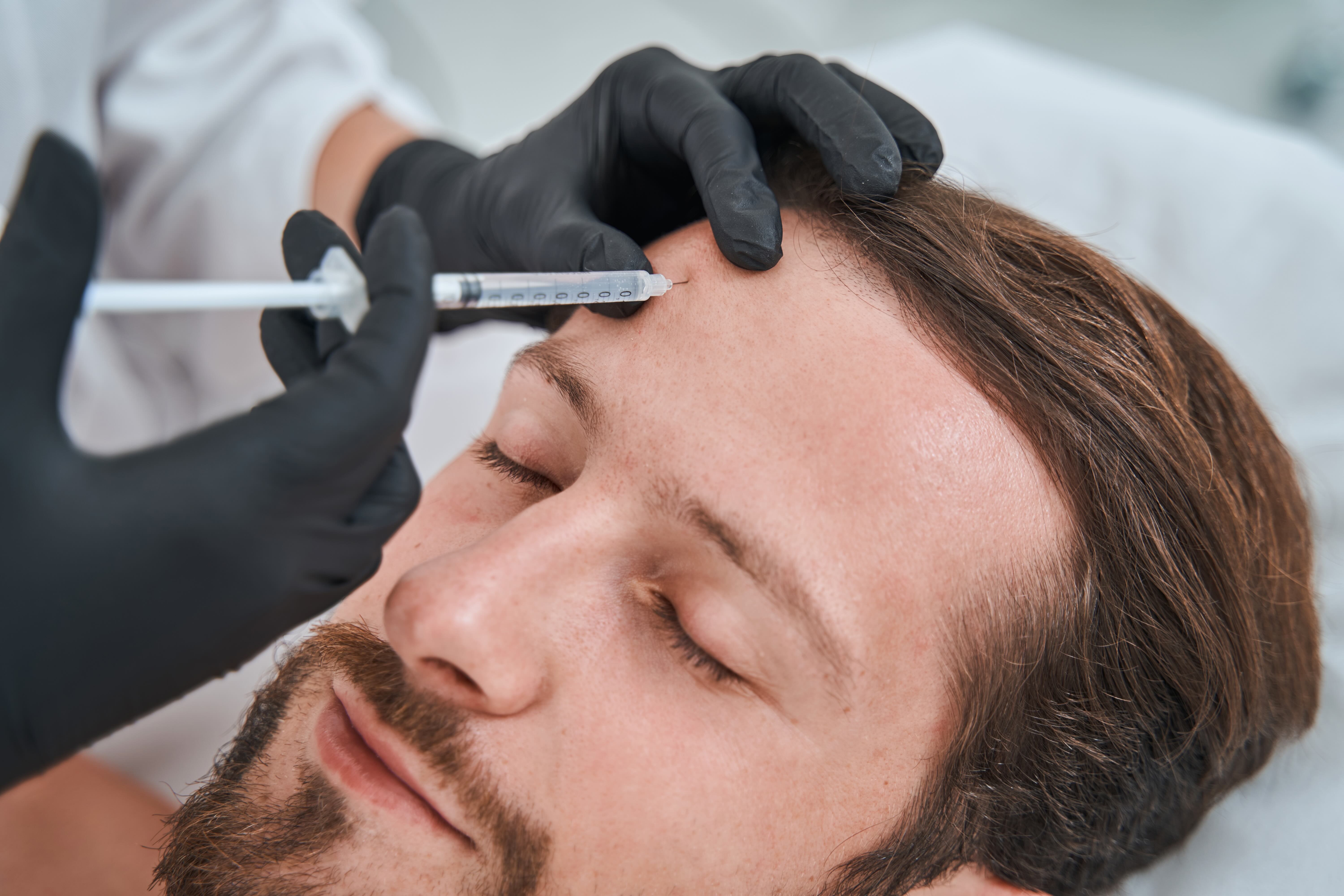
Whilst female patients are the most common demographic in aesthetic clinics, the rise of male aesthetics is a crucial trend that can not be ignored. Digital marketing strategist Alex Bugg explores how your marketing content can help get men through the door and booked in for treatments.
Most clinic owners I speak to say they’d welcome more male patients. But then I look at their Instagram grid, and it’s soft pinks, floral flat-lays and language that reads like it was written for one very specific audience.
Their website? Every single image is a woman. None of that is wrong. But if you’re wondering why men aren’t coming through the door, scroll through your own marketing with fresh eyes, and you might spot why.
Men are searching for aesthetic treatments
Here’s an overview of what I see when working with clinics: men are researching aesthetic treatments, but quietly.
They’re not necessarily liking your Reels or sliding into your DMs. They are reading your Google reviews, asking friends where they go, scanning your website, checking your photos and your pricing – and if nothing feels like it’s for them, they close the tab.
Many men don’t know what to ask for or how to describe what they want. They worry they’ll be the only bloke in the waiting room. Some feel a bit daft for even looking into it. Others don’t realise treatments for their specific concern exist. If your marketing doesn’t meet any of that, you’ve lost them before they’ve picked up the phone.
From what I’ve seen, male patients take longer to convert but tend to be incredibly loyal. They rebook, they refer mates, and they’re less likely to shop around. That’s worth knowing.
Incorporating treatments for men into your existing treatment offerings
Clinics are in danger of overcorrecting to pull more men in. They decide to go after male patients, and suddenly there’s a separate “treatments for men” page with a navy colour scheme and a stock image of a chiselled jaw.
I’d steer well clear. Most men looking into aesthetics aren’t searching for a masculinised version of your brand. They just want to feel like the clinic isn’t exclusively for someone else: there’s a lot of space between those two things.
Quietly including men works better than making a big thing of it. You don’t need a separate funnel. You need to remove the small signals that say “this isn’t for you”, often without you realising they’re there. If every photo features women, a male visitor has to imagine himself in that space. If your copy leans heavily on pamper, rejuvenate and glow, you’re narrowing who feels spoken to.
Don't overcomplicate it
None of this requires a rebrand or a big budget. It’s all about tweaking.
Straightforward language lands better across the board.
I always come back to this: think like a patient. If someone’s never had a treatment, they want to understand what it does, not be sold a feeling.
When surveyed, clarity matters more than you’d think. Men are less likely to enquire if they have to ask how much something costs. If your website says “prices on consultation,” you’re losing people who’d rather just know the number.
This is where reviews are powerful. If you’ve treated male patients and they’ve left a review, make sure it’s visible on your website, socials, and Google Business Profile.
If you don’t have male reviews yet, ask.
Make your referral scheme rock solid. Some of your patients might realise they can send in their partner, dad, or colleague quite easily and get something for themselves too!
A couple of FAQs addressing common hesitations go a long way. “Is this suitable for men?” or “What should I expect at a first appointment?” sound basic, but they answer what men are actually typing into Google.
Finally, make booking simple. Online, minimal fuss, no requirement to phone and explain. The easier it is to book without a conversation, the more likely hesitant patients are to follow through.
When does targeted marketing work?
But hang on…aren’t these ideas suitable for women too?
If you’re offering treatments with strong male demand – for hair loss, excessive sweating, acne scarring, body contouring – targeted ads and landing pages can work.
But frame it around the concern, not the gender. A Google ad for “hair loss treatment near me” will naturally reach men without shouting “For men” in the headline. A landing page about hyperhidrosis doesn’t need gendered branding; it just needs to answer the right questions and make the next step obvious.
If you’re running paid social, use imagery that includes men naturally. Not a stock model flexing in a towel. Just a normal-looking person in a clinical setting.
You don’t need to overhaul your brand. You probably just need to stop accidentally excluding men. One or two thoughtful changes, ask a trusted man in your life for his thoughts, and you might be surprised who starts booking.
You’re opening yourself up to 50% of the population!
Alex Bugg
Alex Bugg works for Web Marketing Clinic, a family-run digital agency, which specialises in medical aesthetics. The business builds websites and delivers marketing campaigns for doctors, nurses, dentists, distributors and brands. Contact her at: alex@webmarketingclinic.co.uk or follow her on Instagram: @webmarketingclinic
More on this topic ...