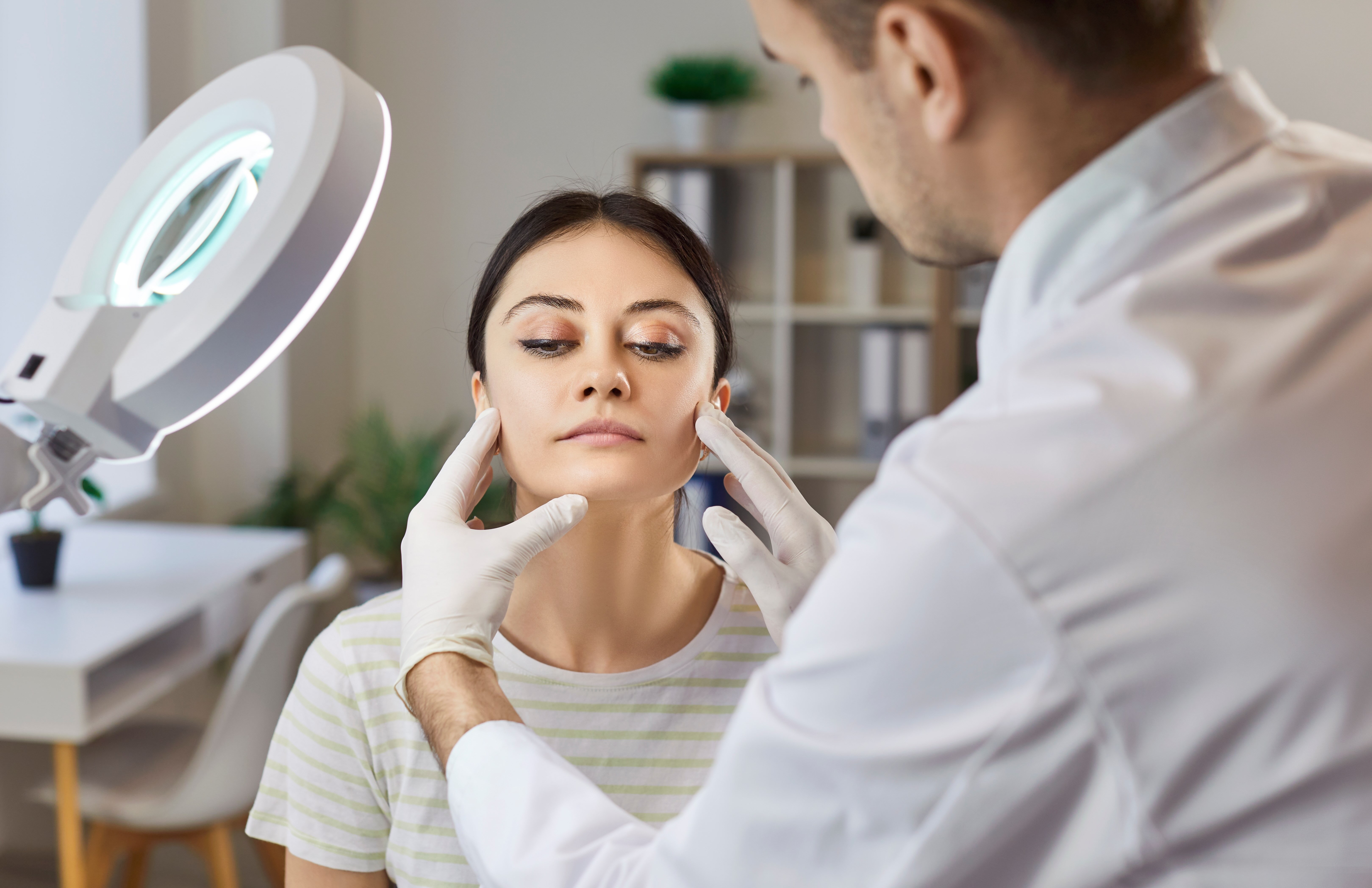
Regenerative aesthetics is reshaping the approach to facial ageing, shifting the focus away from wrinkle correction and dramatic augmentation towards long-term skin health, structural support and natural-looking results. Emma Wedgwood explores how regenerative and biostimulatory treatments are helping practitioners restore facial definition, improve tissue quality and support skin longevity.
For decades, the dominant conversation in aesthetic medicine centred around one primary objective: reducing wrinkles. From neurotoxins to fillers, much of our focus as practitioners was placed on smoothing lines, replacing lost volume and softening the visible signs of ageing. While these treatments undoubtedly still have their place, the conversation has shifted significantly. Patients are moving away from dramatic augmentation and towards a more regenerative, longevity-led approach to ageing, one that prioritises looking refreshed, healthy and naturally well, rather than noticeably “done.”
Moving from corrective procedures to regenerative
We are seeing a clear move towards regenerative aesthetics and biostimulatory treatments that work with the body rather than overriding it. Longevity has become a defining conversation across healthcare and wellness, and aesthetic medicine is no exception. Patients now recognise that long-term skin and structural health is the foundation of skin longevity, resilience and ageing gracefully.
For many years, “anti-ageing” implied resistance; fighting against time and the visible signs of getting older. But now, rather than resisting ageing, patients are seeking to support the skin intelligently, prioritising healthier, stronger and more resilient skin over time.
This philosophical shift also reflects a move away from the overfilled aesthetic that dominated parts of the industry for years.
A combination approach
Another key evolution within aesthetic medicine is the growing recognition that facial ageing cannot be addressed through a single modality alone.
As ageing affects multiple tissue layers and structures, changes in skin quality, ligament support, collagen integrity and facial architecture occur in parallel rather than isolation. This is where combination regenerative treatments have become particularly valuable.
By addressing ageing through multiple mechanisms simultaneously, we can support structural integrity while improving skin quality and visible definition. The emphasis shifts towards rebuilding and preserving the face in a way that feels natural and balanced.
For me, this represents one of the most exciting developments in modern aesthetics. It is not about doing more for the sake of it, but about combining technologies mindfully to produce results that are regenerative and sustainable.
Redefining facial ageing
One of the most common concerns patients raise in clinic is not necessarily about looking older, but a sense that the face no longer appears as clear or structurally defined as it once did. Many patients struggle to articulate exactly what has changed, instead describing a broader sense of softness or fatigue in the face.
Historically, the industry responded to these concerns through augmentation, restoring lost volume, softening visible signs of ageing, or treating concerns in isolation. While these approaches still have value in the right patient, expectations have evolved. Patients are no longer seeking dramatic transformation or obvious correction, but healthier, fresher and more natural-looking outcomes that preserve identity and restore definition.
Regenerative medicine has expanded how we approach these changes, allowing us to support tissue quality and structural integrity in a more nuanced way.
Rather than adding, masking, or freezing, we now have the opportunity to rebuild. This shift is reflected in combination approaches designed to restore definition through regeneration. One protocol I developed, High Definition Face, was created with this philosophy in mind.
The treatment combines Profhilo Structura and Sofwave, working in precise sequence to address facial ageing at two complementary levels. Profhilo Structura works beneath the skin’s surface to support the structural integrity of the face, stimulating collagen and elastin while helping restore underlying architecture, strengthening the facial ‘hardware’ and rebuilding support from within. Sofwave then refines the superficial layers, using targeted ultrasound energy to tighten and sharpen the skin, improving visible definition and overall tissue quality.
The rationale behind this type of combination treatment is simple: one modality supports structure, whilst the other refines the final result.
Ageing well versus anti-ageing
For too long, aesthetic medicine was framed through an anti-ageing lens. Today, the conversation is far more aligned with pro-ageing; supporting patients to age confidently, naturally and with greater resilience. The focus is shifting towards longevity, prevention and tissue preservation rather than reactive correction alone.
For practitioners, this means moving beyond isolated correction and instead prioritising skin quality, structural integrity and long-term facial coherence through regenerative approaches.
Ultimately, aesthetic medicine should not erase identity or chase perfection. It should help patients look refreshed, healthy and recognisably themselves, maintaining definition and vitality throughout the ageing process.
Emma Wedgwood
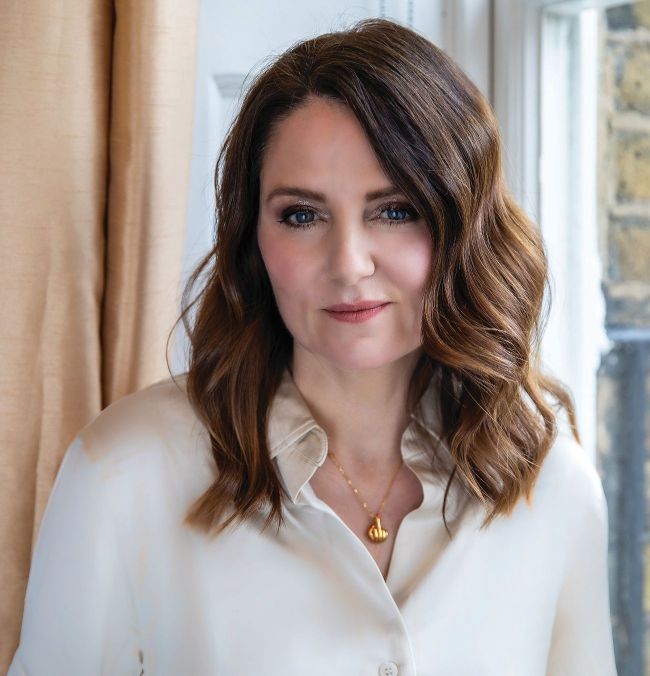
Emma Wedgwood is an advanced nurse practitioner and independent prescriber with over 20 years of medical expertise. Following an extensive career in NHS intensive care, she transitioned to facial rejuvenation in 2018, bringing clinical precision to skin health. Emma holds an MSc in Cosmetic Medicine and serves on the board of the British Association of Medical Aesthetic Nurses. She is a KOL and expert trainer for Croma in polynucleotides.